• Skip to main content

The Shakti School

Feminine Form Sacred Technology

  • About
  • Blog
  • Glow-Worthy
  • Ayurveda
  • Subscribe
  • Podcast
  • Book a Call
  • Free Course
  •  

wellness

Heart-Opening Winter Elixir

Blog Featured Image (1200 × 628 px)

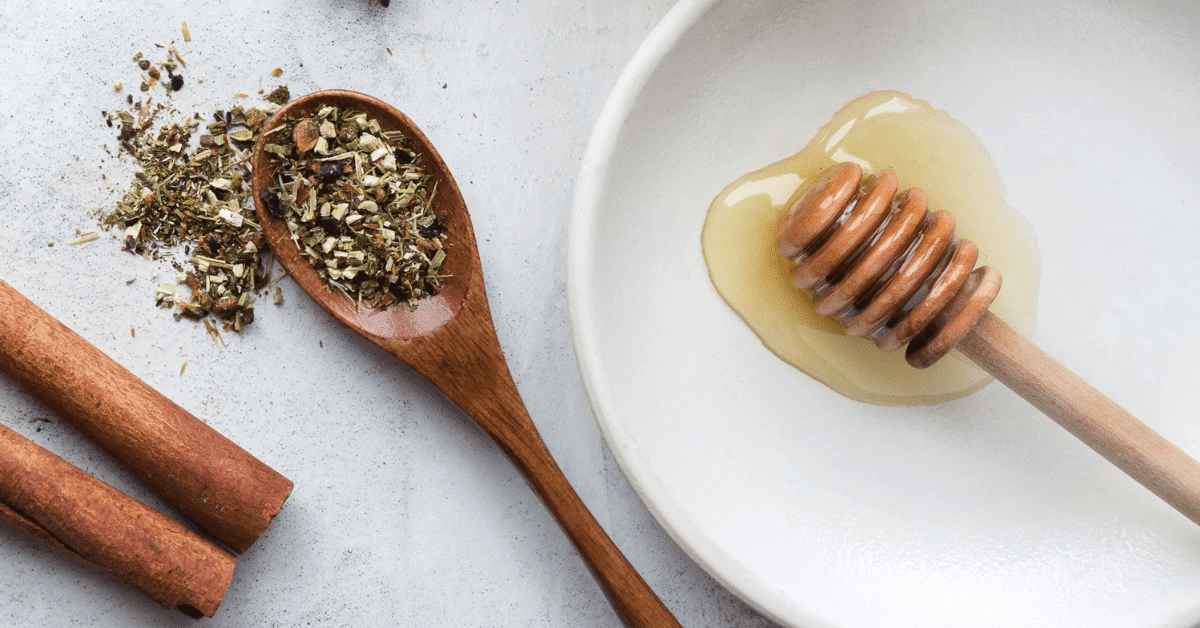
The holidays can be a season of both feelings of connection and grief. We’ve created this special Shakti School heart opening elixir featuring skullcap, damiana and rose to get you through the waves of beauty, bliss, and pain.⁣
⁣
🌹 Skullcap: Think soothing, stress relief, and relaxation - this nervine is an emotional balance supporter and restores the functioning of the nervous system.⁣
⁣
🌹 Damiana: This aphrodisiac helper pairs well with skullcap for relaxation while also giving a little boost to mood and digestion.⁣
⁣
🌹 Rose: Associated with the heart chakra, rose is said to help heal a broken heart and enhance feelings of self-love and emotional balance.⁣
⁣
Here’s how to make it:⁣

~ 1/4 cup dried skullcap⁣
~ ¼ cup dried damiana⁣
~ 1/4 cup dried rose petal⁣
~ A few cinnamon sticks⁣
~ 1 T gently crushed cardamom pods⁣
~ 1 T gently crushed star anise⁣
~ 1 T gently crushed cloves⁣
~ an orange peel⁣
~ 1/2 c honey⁣
~ Brandy to cover ⁣
⁣
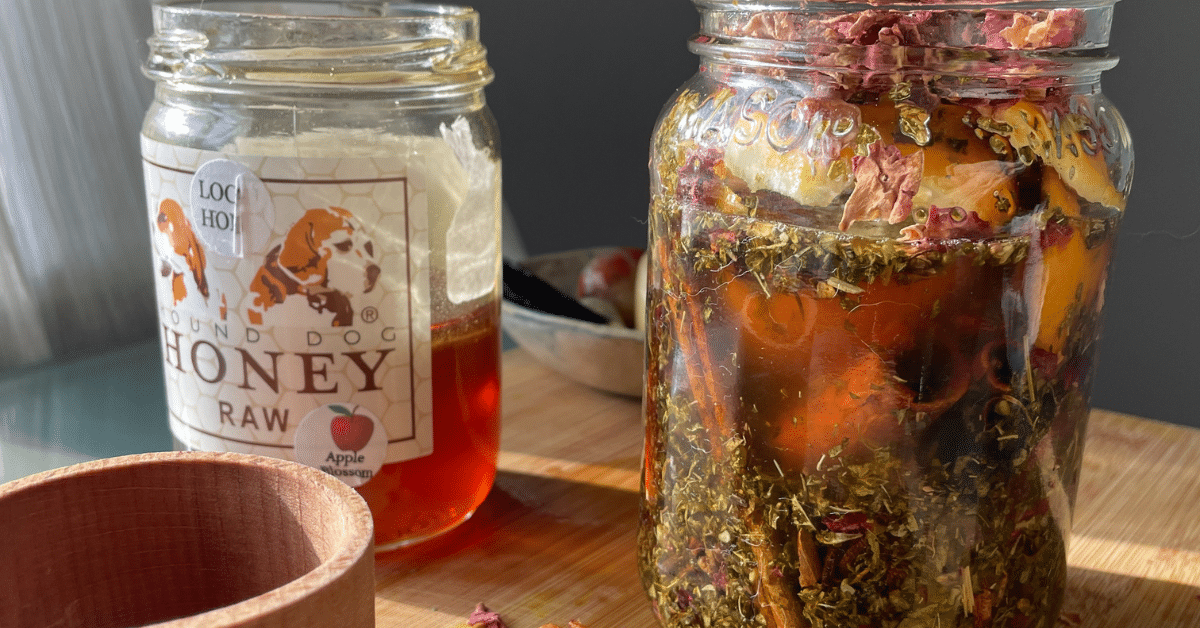
Add all ingredients to a mason jar. Cover completely with brandy (push down everything in the jar so that it’s below the liquid). Place a piece of parchment paper between the lid and the jar to prevent any transfer from the lid or vice versa. Shake daily, storing in a cool place for about a month.⁣
⁣
Enjoy in small servings as a healing tonic for your heart ❤️
Continue Reading

Ojas-Building “Hot Shake”

Blog Featured Image (1200 × 628 px)

We have to clue you in on one of our ultimate Ojas-building aphrodisiac tonics!
⁣⁣
Ojas is our core immunity- our bodies’ ability to renew itself. In the body, it’s related to our reproductive, hormones, and cerebrospinal fluid. ⁣
⁣
It’s also your psychophysical shield, helping us ward off stress and disease (both physically and emotionally). ⁣
⁣
Having strong ojas isn’t just about building it up, it’s also about not losing it. What (and WHO) we pour our creative energy into (if you know what I mean 😉😉) can deplete our ojas especially if we’re not being intentional. ⁣
⁣
But, when we make love with an attitude of complete surrender, and without fear or reservation, Ayurveda says that it can actually BOOST our sense of trust which in turn builds health. ⁣
⁣
Aphrodisiacs can help turn up our passion-pleasure-zest. What we consume also helps build our emotional-physical-resiliency, aka our ojas. That’s where this ojas-boosting love tonic comes in. ⁣
⁣
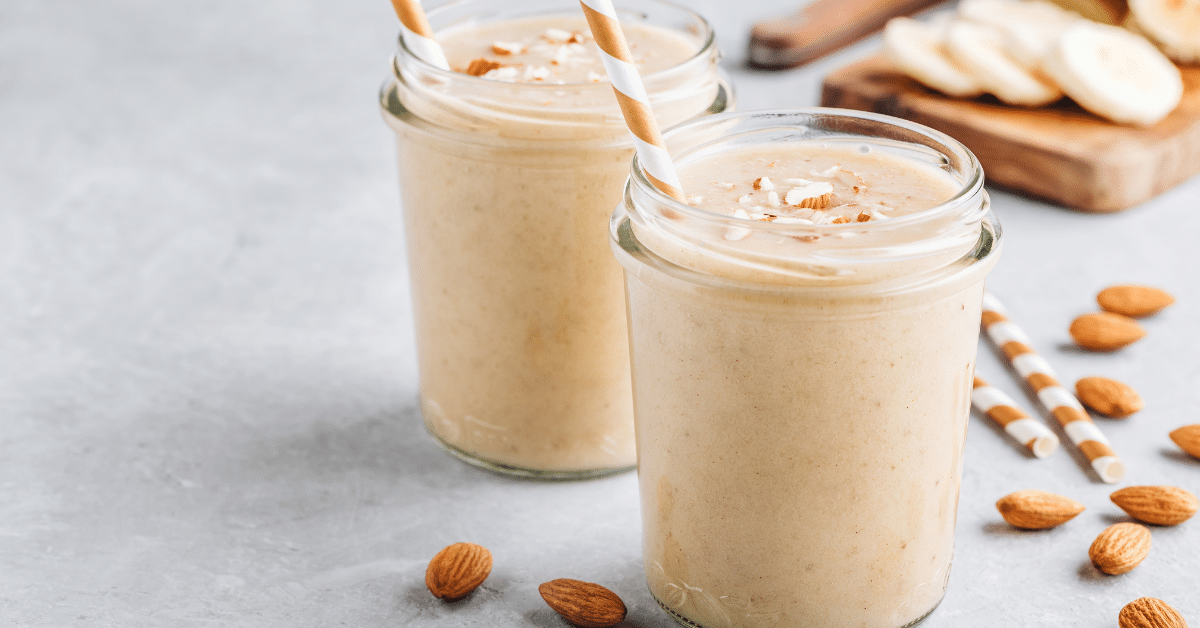
This warm, spicy-sweet milk is amazing for building ojas, and when combined with these virility-boosting super herbs, it gives our inner lover just the boost we need. Make it for you and your lover before or after your holy lovemaking sesh (or for yourself!)


Ojas-Building Hot Shake Ingredients:

  • 10 skinless almonds
  • 5 dates, pitted
  • 2 cups milk (any kind)
  • 1/2 teaspoon ashwagandha
  • 1/2 teaspoon kapikacchu
  • 1/2 teaspoon vidari kanda
  • 1/2 teaspoon maca
  • 1/4 teaspoon ground cinnamon
  •  Pinch of ground nutmeg

Ojas-Building Hot Shake Directions:

  • If you wish, soak the almonds and dates overnight, then drain. (This makes them more digestible, but is not required.)
  • In a small saucepan, bring the milk to a low boil. Add the herbs and spice and whisk.
  • Pour the milk mixture into a blender, add the almonds and dates, and blend on high for 30-60 seconds, until completely smooth.
  • Enjoy with your lover (or inner lover 😉)
Continue Reading

Fall Lickable

Blog-Featured-Image-1200-×-628-px-2-min

This little lickable is great for when you’ve got the ick (a.k.a. Cold and Flu season)

Add together:

  • 3 tablespoons Manuka honey 
  • 3 tablespoons Grass-fed ghee
  • 1 tsp. Turmeric powder
  • 1 tsp. Licorice powder 
  • ½ tsp. Cinnamon 
  • ¼ tsp. Cardamom 
  • A few dashes of Cayenne Pepper powder (*leave out if it’s too much heat for your system) 

Mix all together until a smooth paste. 

Lick a teaspoon a few times a day!

Continue Reading

Carrot & Winter Squash Chutney Recipe

Blog-Featured-Image-1200-×-628-px-1-min

Ingredients: 

  • 1 small delicata squash or any other winter squash (acorn or butternut would work well), seeds removed and chopped
  • 2 carrots, chopped
  • 1/2 cup roasted and unsalted almonds
  • 1 small piece of fresh ginger, peeled and chopped
  • 1 tablespoon fresh lemon juice
  • 3 tablespoons olive oil or ghee
  • 1/2 teaspoon cumin seeds
  • 1/4 teaspoon asafoetida (hing) - a pinch
  • 1/4 teaspoon ajwain
  • 1/4 teaspoon ground black pepper
  • 1/4 teaspoon ground coriander
  • 1/4 teaspoon ground fennel
  • 1/4 teaspoon ground turmeric
  • 1/4 teaspoon mustard seed
  • Water
  • Salt to taste

Directions:

  1. In a large pan, add the cumin seeds and roast them for a minute or until they become fragrant. Remove and set aside.
  2. In the same pan, melt 1 tablespoon of ghee over medium heat and add chopped squash and carrots. Add 2 tablespoons of water, cover, and cook 25 minutes, or until softened all the way through. Stir occasionally and add water as needed to keep from sticking to the pan.
  3. In a food processor, combine the roasted almonds, ginger, lemon juice and 1 tablespoon of water. Blend until you have a coarse paste.
  4. Add the remaining 2 tablespoons of olive oil or ghee, ¼ cup of water and all the spices (asafoetida, black pepper, ajwain, coriander, fennel, mustard seed and turmeric) to the mixture. Once the carrots and squash are softened, remove from the pan and add to the food processor.
  5. Blend again until everything is well combined. You can adjust the consistency by adding a little water as needed.
  6. Taste the chutney and adjust the salt and seasonings according to your preference. Keep in mind that Ayurveda recommends reducing salt for Vata balancing, so be moderate.
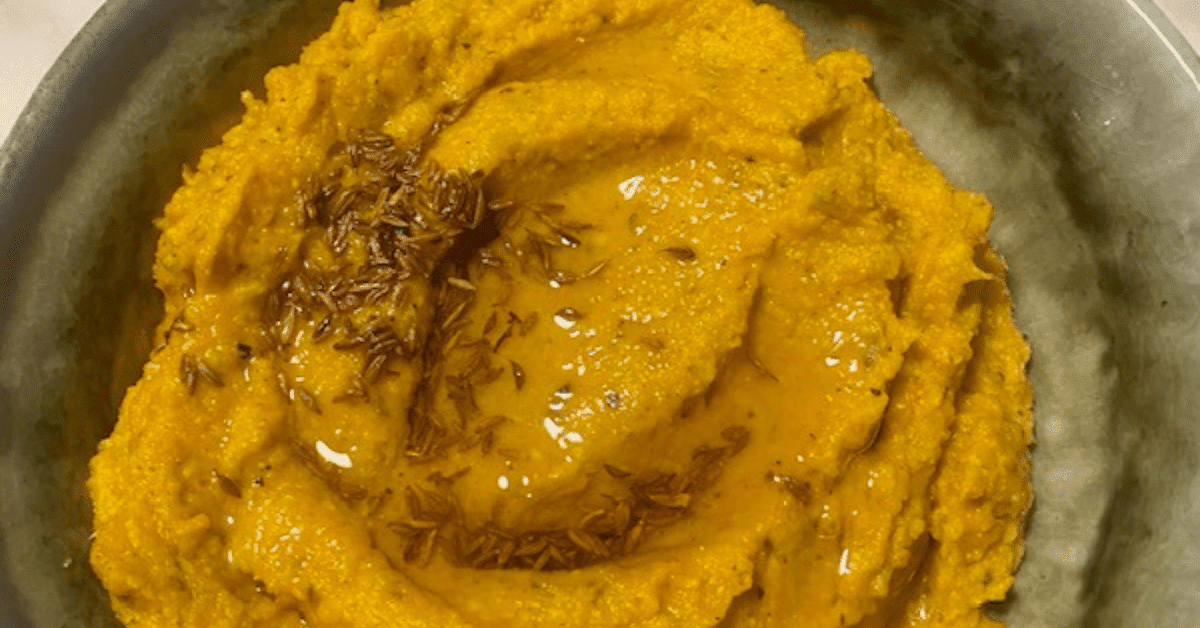
  7. Heat a small amount of ghee in a small pan. Add the roasted cumin seeds to the ghee and let them sizzle for a few seconds. Pour this over the chutney and mix well.
Continue Reading

Pumpkin Blow-Ya’ Mind Smoothie (it’s hot!)

Blog-Featured-Image-1200-×-628-px-min

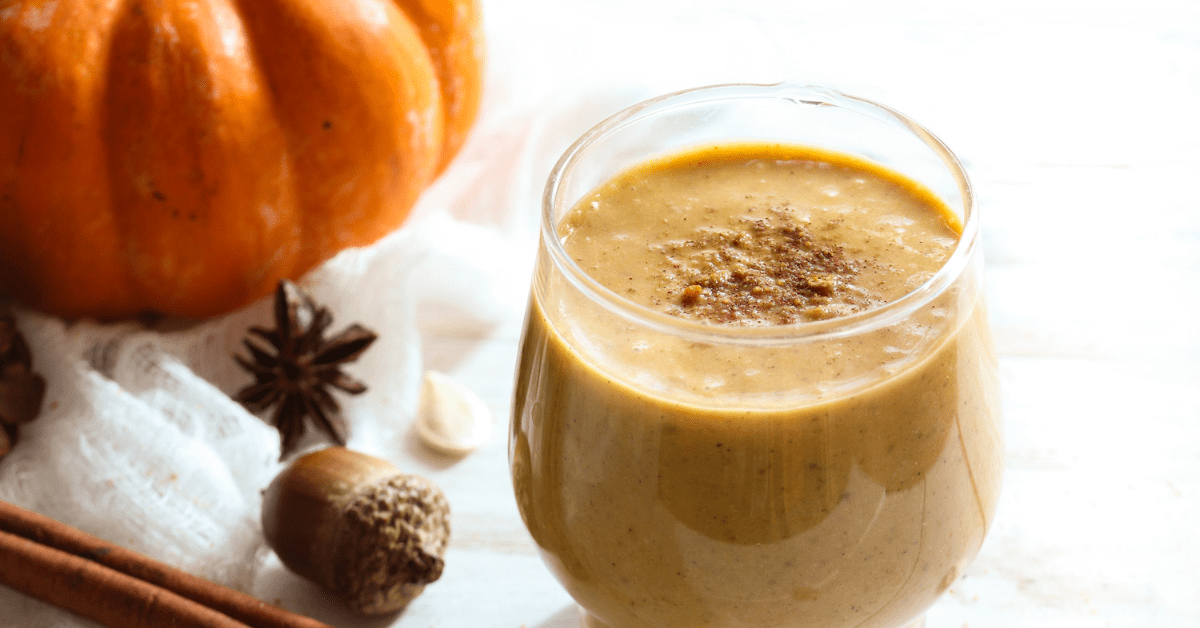
I love a hot fall smoothie. It has both deeply nourishing elements, and some reducing spices to counteract the heaviness. 

This is my go-to. So easy. So good for the time of the season!

Ingredients:

- 1 cup canned organic pumpkin puree

- 1 cup almond milk (or any milk of your choice)

- 2-3 fresh organic figs, chopped (dried if you can’t find fresh)

- 1 tablespoon maple syrup (adjust to taste)

- 1/2 teaspoon ground cinnamon

- 1/4 teaspoon ground nutmeg

- 1/4 teaspoon ground ginger

- 1/4 teaspoon ground cloves

- A pinch of Himalayan rock salt

- Whipped coconut cream (optional, for garnish)

- Chopped dried figs and a sprinkle of pecans and cinnamon (for garnish)


Instructions:

  1. Prepare the Figs: If using dried, start by chopping the dried figs into small pieces. You can use kitchen scissors or a sharp knife.
  2. Heat the Almond Milk: Pour the almond milk into a saucepan and heat it over low-medium heat. Heat until almost boiling.
  3. Blend the Ingredients: In a blender, combine the canned pumpkin puree, hot almond milk, figs, maple syrup, ground cinnamon, ground nutmeg, ground ginger, ground cloves, and a pinch of salt.
  4. Blend Until Smooth: Blend the mixture until everything is well combined and the smoothie is creamy. Be careful, its hot! I place a towel over the lid for extra safety. 
  5. Serve: Pour the hot pumpkin smoothie into mugs or cups. If desired, top each serving with a dollop of whipped coconut cream, chopped figs, and a sprinkle of cinnamon for added flavor and presentation.
  6. Enjoy: Serve your hot pumpkin smoothie immediately while it's still warm and enjoy the cozy fall flavors!

Feel free to adjust the sweetness by adding more or less maple syrup according to your taste preferences. This hot pumpkin smoothie with fall spices and figs is perfect for warming up on a crisp autumn day or as a comforting treat by the fireplace.

Continue Reading

Ayurveda-Inspired Pumpkin Spice Latte

Blog Featured Image (1200 × 628 px)

In deep reverence for our Crone Mama Fall, I am bowing before the altar of all things spicy, warm, orange, yellow and brown. (South hemisphere ladies, we see you in your bikinis!)

I am also owning the heck out of my basic self =  1. Yoga pants, 2. Furry Boots and 3. Pumpkin Spice

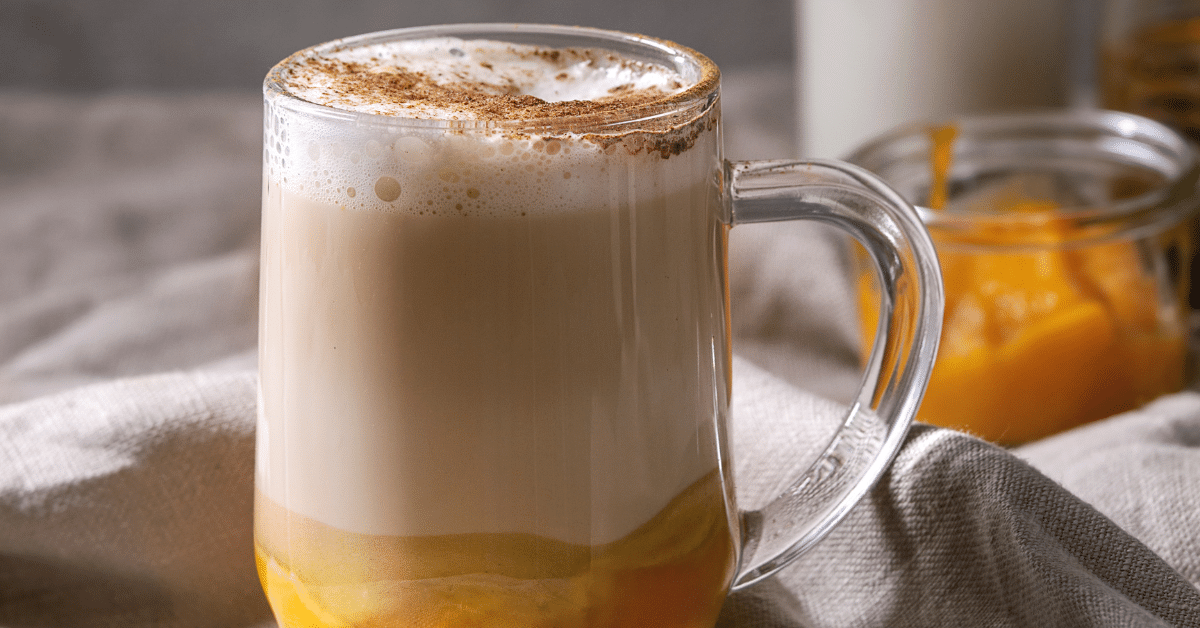
And so, our new team member, Eva, over here at Team Shakti has come up with this RIDICULOUSLY yummy, Ayurveda-inspired Pumpkin Spice Latte. We are currently *running* to go make this! With warming ginger, black pepper and nutmeg to help kindle your agni plus some grounding pumpkin and Ashwagandha - WHAT more could the vata in each of us need!? 😉☕🍁

Ayurveda-Inspired Pumpkin Spice Latte

Ingredients:

  • 1 cup milk of your choice
  • 1/8 cup pumpkin purée (or cooked pumpkin)
  • 1 tbsp ghee or coconut oil
  • 1/4 tsp ground cinnamon
  • 1/4 tsp ground ginger powder
  • 1/4 tsp ground turmeric
  • pinch ground nutmeg
  • pinch black pepper

Optional: 1/2 tsp ashwagandha powder, 1 date (pitted or soaked) or 1/2 tsp of maple syrup to sweeten

Instructions: 

  1. Blend all the ingredients together until smooth.
  2. In a small pot, simmer over low heat until warm.
  3. Serve and enjoy!

Modification for Each Dosha:

  • Vata - This recipe is perfect "as-is" for keeping Vata in balance.
  • Pitta - Reduce the heat by removing or reducing the amount of ginger, black pepper, or turmeric.
  • Kapha - Substitute 1/2 cup milk with 1/2 cup water, use just 1 tablespoon pumpkin purée, and/or don't add the sweetener.

We hope you enjoy this delish recipe!

Continue Reading

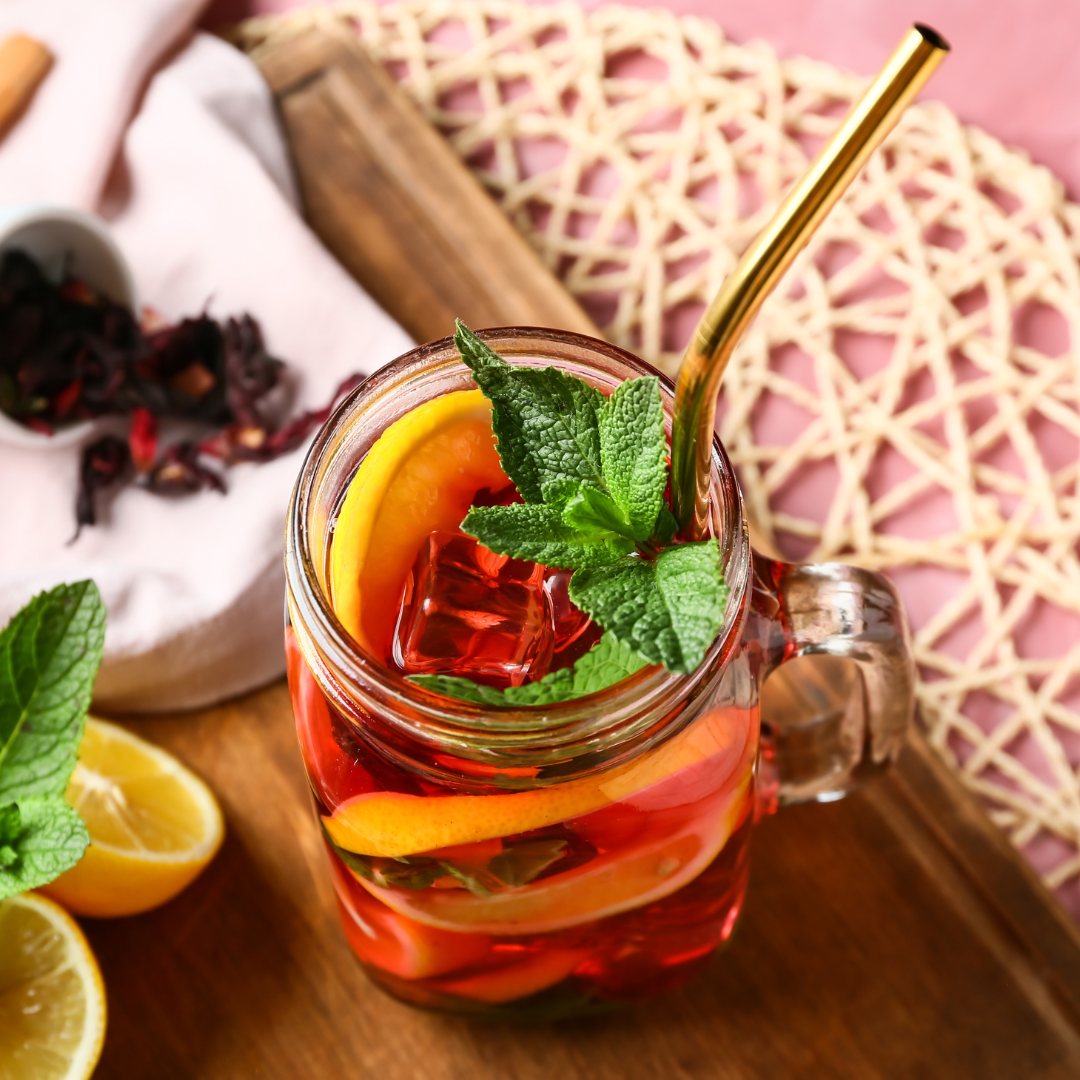
Katie’s Ayurveda-Inspired Gatorade

unnamed

Ingredients:

  • 5 limes
  • 1 tbsp Manuka honey (this one is bangin’)
  • ½ tsp black or Himalayan pink salt
  • ¼ tsp fennel powder
  • 1/4 tsp licorice powder
  • 3 cups water
  • Ice Cubes (this is an Ayurveda NO-NO, so if you wanna’ be a purist, leave this one out, but I'm gonna’ be honest - in the dead of muggy Virginia summer, this girl breaks the no-ice rules)
  • Mint leaves
  • 2 Tbs. Hibiscus flowers (dried)

Instructions:

  1. Steep the hibiscus flowers in boiling water for 20 minutes in 2 cups of water. Strain and let cool.
  2. Squeeze the lime juice into a bowl.
  3. In a Mason jar or carafe, add the lime juice, hibiscus tea, honey, salt, licorice, fennel, ice cubes (if you’re naughty) and additional water.
  4. Mix or shake.
  5. Add more honey or spices as per your taste.
  6. Garnish with the mint.
Continue Reading

What It Means to Get ‘Juicy’ and Why You Should Try It

By Crystal Hoshaw

Spirit Sessions Portal Thumbnail copy 2

A few things might come to mind when you hear the word juicy, but I’m not talking about couture or the Notorious B.I.G. 

Getting juicy doesn’t have anything to do with squeezing into a velour tracksuit or sporting curves like the Kardashians. 

It’s an inside-out affair that has to do with every layer of the self, from the subtle to the most physical. In fact, being juicy is one of the telltale signs of radiant, whole-person health.

So what does it really mean? In simplified terms, being juicy refers to lubrication. 

So much of the body depends on lubrication for optimum health, from the joints to the mouth to the eyes to the sexual organs. 

On a more microscopic level, the skin relies on lubrication in the form of collagen—a protein—and ceramides, a fat necessary to protect the skin from the elements as well as pathogens.

Plus, there’s even an emotional element to lubrication, if metaphorical. Think bouncing back from difficult emotions, resilience in hard times, or letting things roll off you like a big rubber raincoat.

The best way to think about the type of lubrication I’m talking about is to picture a big, juicy grape. Then compare it to a raisin. The raisin is dried up and shriveled, and doesn’t contain nearly the same amount of water as the grape. 

When it comes to wellness, we’re going for the grape.

Giving juiciness a name: Ojas

While there’s no equivalent for this type of all-encompassing lubrication in Western medicine, there is a name for it in Ayurveda: ojas. 
Sometimes translated as “vital fluids,” ojas is the juicy quality that makes life feel abundant, insulates us from the cold, and acts as a pathway for pleasure. 

Without it, life is dull, dry, brittle, and tight. It not only lacks hydration—it lacks flexibility, adaptability, and that je ne sais quoi, in-the-flow vibe that brings about joy. 

The lubrication that ojas provides is also responsible for immunity, as ojas feeds the mucous membranes and ceramides layer that are integral in keeping out infection.

Ayurveda Banner (1440 × 720 px) copy

Physical effects of low ojas

When it comes to the physical body, there are several physical symptoms that may point to a lack of ojas:

  • dry skin and lips
  • brittle hair and nails
  • scanty sweating
  • dry mucous membranes
  • premature wrinkles
  • reduced immunity
  • vaginal dryness

An extreme lack of ojas can actually affect the nervous system and the cerebrospinal fluid, which provides nutrients to and protects the brain and spine. 

The nerves themselves are wrapped in a layer of myelin, a plasma membrane that helps protect them and contains the electrical impulses they carry. 

Without myelin, the nerves can become like livewires, which can be the beginning of a number of neurodegenerative disorders. 


Psychological effects of low ojas

Since ojas impacts the nerves, brain, and spine, it may not come as a surprise that the juiciness of ojas—or lack thereof—can affect the emotions as well. 

Psychological effects of low ojas can include:

  • insecurity
  • anxiety
  • paranoia
  • feeling ungrounded
  • feeling unsafe, or like you don’t belong
  • fatigue and tiredness
  • brain fog and poor memory

Needless to say, ojas is a must on both a physical and psycho-emotional level. 

When it comes down to it, ojas could be considered the closest physiological correlate to self-love. As such, it’s the core as well as the byproduct of a healthy wellness routine that’s focused on deep well-being. 

In other words, ojas is the refined essence of life that makes us feel like we’re wrapped in a big, warm, protective hug.

How to get juicy from the inside out

Now you know how essential ojas is for feeling your best, inside and out. Here’s how to dive into juiciness in every aspect of life. 

Focus on the sweet

While diet culture so often tells us to shun sweet things, ojas relies on sweetness to grow and flourish. 

However, sweetness doesn’t just come from sugary foods like cookies and cake. There are a whole host of things that can bring sweetness into your life, like:

  • a tender hug from a loved one
  • giving yourself a slow, sensual massage
  • a heart-to-heart chat with a dear friend
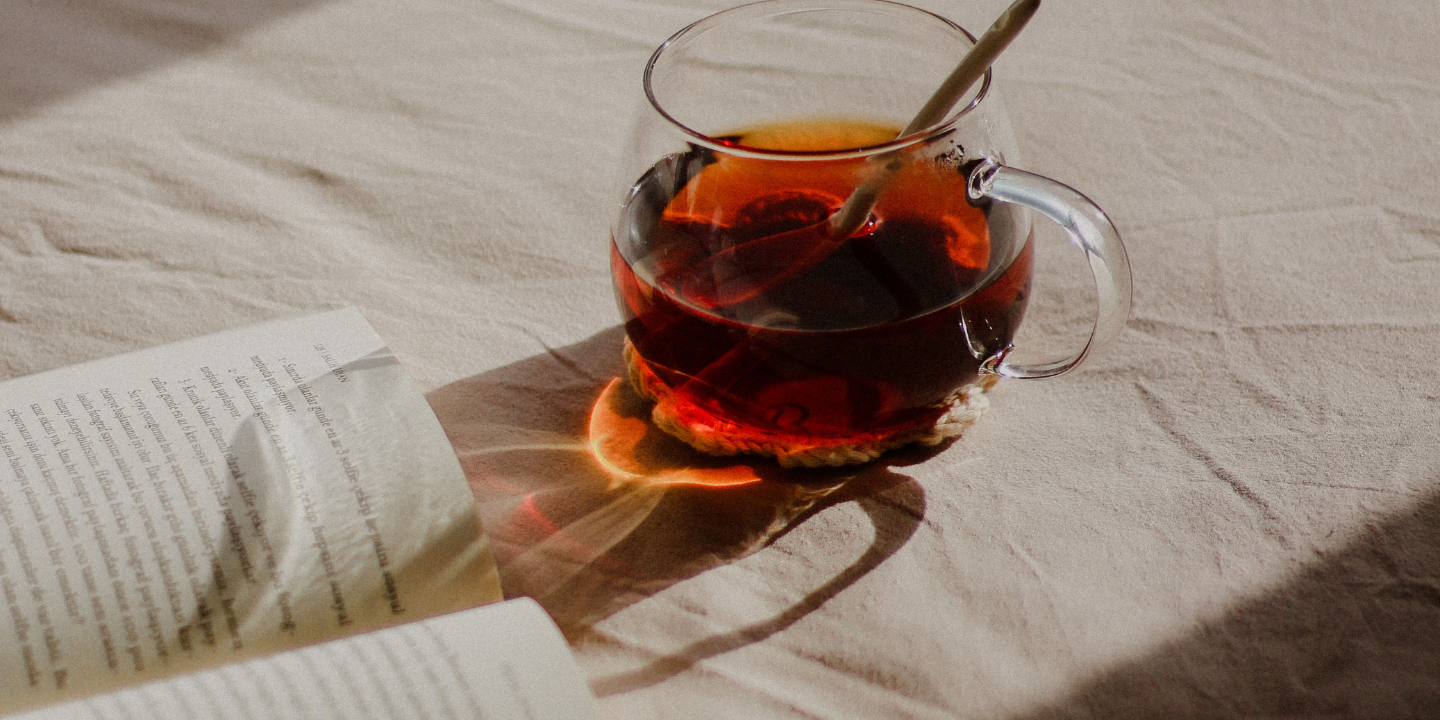
  • a cozy cuddle-up with a warm blanket, a tea, and a good book
  • listening to uplifting, inspiring music
  • surrounding yourself with colors that energize you
  • placing fresh plants or flowers throughout your space
  • eating your favorite comfort foods (especially when cooked with love!)

When you reframe sweet to encompass more than just the tub of ice cream in the freezer, you can start to meet your craving for sweet from other places. 

It doesn’t mean you have to skip the sweet foods—it’s just a way to expand where you get your sweetness from. 

The bottom line is that when you crave sweet, it’s often a deeper craving than the desire for sugar. It often speaks to a more subconscious desire for:

  • rest
  • calm
  • love
  • affection
  • tenderness
  • softness
  • a sense that you’re safe, held, and belong

By regularly and intentionally giving yourself the sweetness you crave in a variety of ways, you can reduce your dependence on any single source. 

This can do wonders for the quality of your diet just as much as it can for the quality of your relationships! 

Ayurveda Banner (1440 × 720 px)

Take hydration to the next level

If getting juicy is the opposite of feeling dried out, then hydration can help you get there. 

Hydration can happen on so many levels, from getting enough water to using your favorite moisturizer.

Here are some quick tips for getting deeply hydrated:

  • Drink plenty of water.
  • Add sea salt or trace minerals to your water.
  • Eat healthy fats like ghee and avocado oil.
  • Keep your skin barrier happy and protected with oils and moisturizers.

How much water is “plenty?” About half to one ounce per pound of body weight, according to Penn Medicine.

Salt and trace minerals can help add back important macro and micro minerals to the body. These are important for a number of reasons, including:

  • cardiovascular health
  • bone and skeletal tissue health
  • cell metabolism
  • maintaining pH balance
  • regulating nerve and muscle function

They also contain important electrolytes like sodium, potassium, and magnesium that support healthy hydration by affecting the amount of water your body retains.

Ayurveda Banner (1440 × 720 px) copy 2

Make fat your friend

As mentioned above, healthy fat is one way to moisturize the body from the inside out. Adding healthy fats to your diet ensures your tissues are getting enough lubrication (read: juiciness). 

According to a 2021 review, omega−3 fatty acids can protect against metabolic disorders and chronic disease by increasing α-linolenic acid (ALA) in the diet. 

There are a number of great dietary sources of omega-3 fatty acids, including:

  • walnuts
  • edamame
  • beans
  • chia seeds
  • hemp seeds
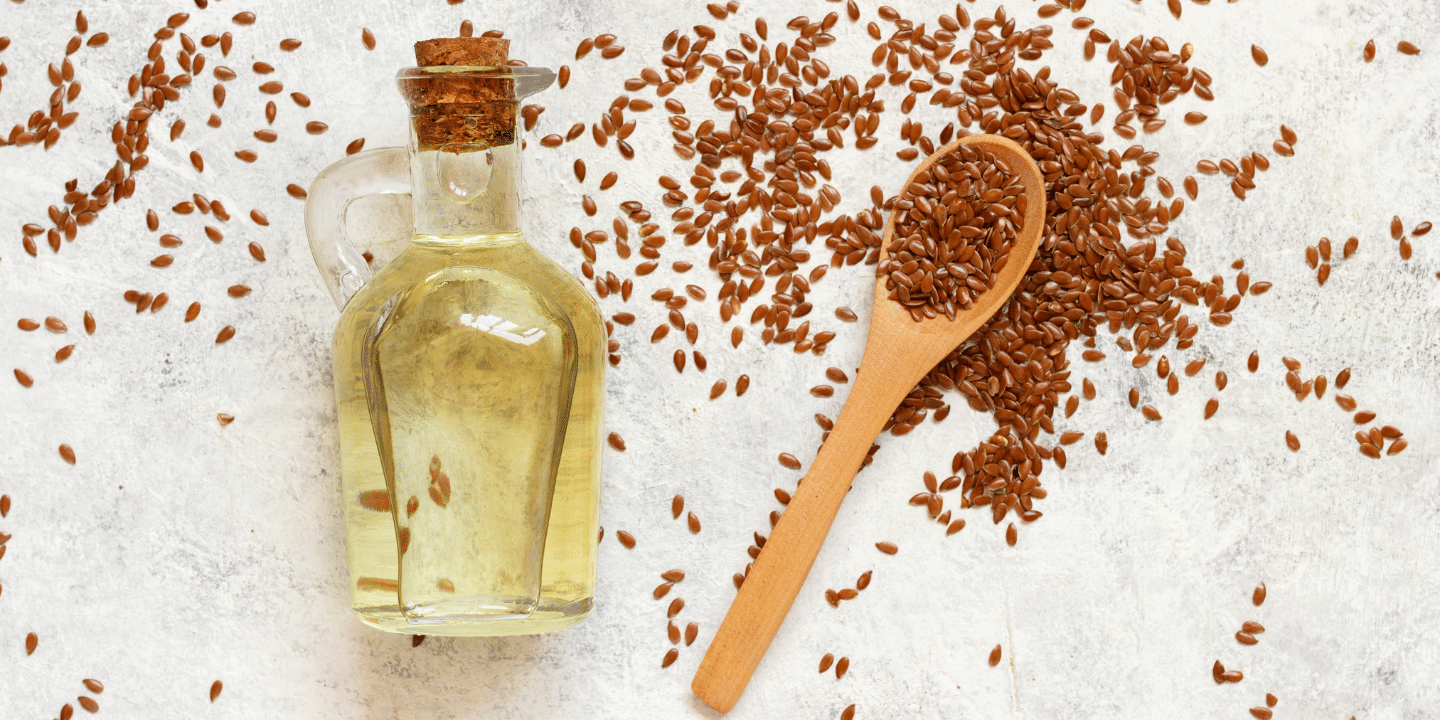
  • flax seeds
  • tofu
  • seaweed
  • fish like salmon, mackerel, and anchovies
  • MCT oil

Of course, you can always add an omega-3 supplement to your diet too. 

According to Ayurveda, ghee, or clarified butter, is considered an ideal healthy fat that’s used in cooking as well as body care. 

Along with being high in omega-3’s, ghee is a great source of butyric acid, a short-chain fatty acid that may help reduce inflammation and support digestive health. It’s also high in antioxidants and fat soluble vitamins.

Healthy fats are incredibly beneficial for the health of a number of body systems, but it’s still important to maintain balance in your fat intake.

Moisturizing 3.0

You may know that moisturizing is essential for skin health, but there’s so much more to moisturizing than just applying lotion or serum.

Ayurveda recommends self-massage with oil, also known as Abhyanga, on the daily. 

This practice is incredibly soothing and relaxing when done with patience, presence, and care. It also often involves medicated oils or ghees that are deeply nourishing to the skin. 

These oils may also include herbal blends for encouraging specific health outcomes, and can be warmed to help open the pores for increased absorption. 

Applying warm oil to the entire body from head to toe each day is a wonderful way to send a signal to your body that it’s loved, nourished, and cared for. 

It’s also a sure-fire way to up your juiciness. 

The takeaway

Getting juicy goes beyond the surface level. It’s about bringing on the ooey-gooey love into every aspect of your health, from your emotions to your diet to your skin. 

With a few simple lifestyle habits, you can be dripping with juiciness—in other words, glowing with self-love from the inside out.

Sources:

Ahmad R. (2015). How Much Water Do You Need Each Day?. https://www.pennmedicine.org/updates/blogs/health-and-wellness/2015/may/how-much-water-do-you-need-each-day

Bali S, et al. (2019). Ghee: the much maligned cooking medium, now slowly reclaiming its

therapeutic reputation. https://www.researchgate.net/profile/Sharadendu-Bali/publication/356498949_Ghee_-_The_Cooking_Medium_for_Good_Health/links/631d8079071ea12e3624b02a/Ghee-The-Cooking-Medium-for-Good-Health.pdf

Borycka-Kiciak K, et al. (2017). Butyric acid – a well-known molecule revisited. https://www.ncbi.nlm.nih.gov/pmc/articles/PMC5497138/

Chycki J, et al. (2017). The effect of mineral-based alkaline water on hydration status and the metabolic response to short-term anaerobic exercise. https://www.ncbi.nlm.nih.gov/pmc/articles/PMC5676322/

Gaffney-Stomberg E. (2018). The Impact of Trace Minerals on Bone Metabolism. https://link.springer.com/article/10.1007/s12011-018-1583-8

Han F, et al. (2019). Neuroinflammation and Myelin Status in Alzheimer’s Disease, Parkinson’s Disease, and Normal Aging Brains: A Small Sample Study. https://www.hindawi.com/journals/pd/2019/7975407/

Kumar Saini K, et al. (2021). Omega−3 Polyunsaturated Fatty Acids (PUFAs): Emerging Plant and Microbial Sources, Oxidative Stability, Bioavailability, and Health Benefits—A Review. https://www.mdpi.com/2076-3921/10/10/1627

Mohammadifard N, et al. (2017). Trace minerals intake: Risks and benefits for cardiovascular health. https://www.tandfonline.com/doi/abs/10.1080/10408398.2017.1406332

Morell P, et al. (n.d.). The Myelin Sheath. https://www.ncbi.nlm.nih.gov/books/NBK27954/

About Crystal

Crystal Hoshaw has been a student of yoga since 2004 and a student of Ayurveda since 2007. She earned her Ayurvedic Wellness Coach certification from The Shakti School after years of on-site study in Los Angeles, San Francisco, and Thailand. She marries her knowledge of Ayurveda, mindfulness, and yogic philosophy through coaching and courses at www.simplewildfree.com. You can also find her on Instagram. 


Continue Reading
  • « Go to Previous Page
  • Page 1
  • Page 2
  • Page 3
  • Page 4
  • Page 5
  • Go to Next Page »

Footer Hero Widget

theshaktischool

TheShaktiSchool

OR… they’ll say something in the most emotiona OR… they’ll say something in the most emotionally intelligent way imaginable. 🌿🌊 Kaphas often tolerate a lot before speaking because they value peace, loyalty and preserving connection. Under stress, they may withdraw, over-accommodate, or hold onto hurt longer than they let on. But when conflict needs tending, Kaphas are often the ones bringing patience, forgiveness and calm nervous systems into the room. There’s a reason they’re the people you want beside you during heartbreak, illness or major life changes.

Tag your favorite kapha below (or maybe it’s you!) 👇🏼

🌱 Are you curious to learn more about the three Ayurvedic doshas? Comment “179” and I’ll send you the link to my podcast episode, “The Three Doshas: Are You a Bullfrog or an Orchid?”

Meme inspired by @mytherapistsays
The doors to our 2027 Ayurvedic Wellness Coach Cer The doors to our 2027 Ayurvedic Wellness Coach Certification are officially open! 🌹✨ ⁠
⁠
If you’ve felt the quiet nudge to deepen your healing, understand women’s health in a whole new way, or become the grounded guide your community needs…this may be your year. ⁠
⁠
Ayurveda School is more than an education - it’s a year-long mentorship with your own body and soul. ❤️‍🔥 ⁠
⁠
Register before June 5th and we’ll gift you all the books you need for class (a $200+ value) completely free, in addition to Early Bird pricing. ⁠
⁠
📚 If your heart already knows, don’t wait too long. Comment AYURVEDASCHOOL (one word) or visit the link in bio to learn more and claim your spot.
Mama nature usually gives us clear indications of Mama nature usually gives us clear indications of her changes if we open our eyes to her subtlety. The more we can align with these rhythms, the easier it is to maintain body/mind health. Just as seasonal shifts transform the weather where we live, they also shake up the internal landscape within our bodies. ⁠
⁠
In the Northern Hemisphere, it’s time to start gently incorporating pitta-balancing elements into our food and lifestyle. ⁠
⁠
Depending on where you live, it’s generally a good time to lean into pitta-balancing practices when you start to notice:⁠
⁠
☀️ Warmer temperatures⁠
⁠
☀️ Longer daylight hours⁠
⁠
☀️ A shift from the lush, wet heaviness of spring to a drier, sharper heat⁠
⁠
☀️ Increased internal heat (like irritability, skin flare-ups or digestive intensity)⁠
⁠
Most simply put, once you start feeling more heat and dryness in your body than you do watery heaviness, it’s a green light to start introducing some pitta-balancing practices into your routine. ⁠
⁠
Save these tips for navigating the spring > summer transition with watery ease. 🌊⁠
⁠
🌱 If you're ready for more, comment WISDOM to access our free Divine Feminine Ayurveda course now.
What does the emerging research on stevia and othe What does the emerging research on stevia and other artificial sweeteners reveal, especially when considering Ayurvedic teachings on the sweet taste? Learn how erythritol, a common additive in stevia, affects your blood vessels and the subtle body. Blending modern science with Ayurvedic wisdom, Katie offers practical, nourishing alternatives for satisfying sweet cravings while supporting long-term health in the latest episode of Spirit Sessions Podcast.

In this episode about stevia, you’ll hear:

~ The latest science about stevia and what it means for your health
~ Recent erythritol study from the University of Colorado at Boulder
~ Negative side effects of erythritol
~ What does Ayurveda say about the sweet taste?
~ Where is stevia hiding in your kitchen?
~ Your body’s response to natural vs. artificial sweeteners
~ The subtle effects of artificial sweeteners on our emotions and spirit
~ Ayurveda-aligned stevia alternatives

🌿🎧 Comment “244” below for the link to the episode to listen now.
You know the one, they always seem to be doing a l You know the one, they always seem to be doing a little bit of this and a little bit of that, traveling the globe, producing an avante garde short film and launching a new company all at the same time… 🪄🧬🛫 (Pssstt, we envy you. 😉)

Vata energy is creative, spontaneous, full of ideas and always moving… and even if vata’s path doesn’t always look linear from the outside, it’s usually filled with deep meaning, purpose and spiraling intelligence.

Out yourself or tag your favorite Vata below. 👇🏼💫

Footer

© 2026 Shakti School

  • FAQ
  • Privacy Policy
  • Terms and Conditions
  • Advocacy
  • Find a Coach
  • Login
  • Katie's Books
  • Contact and Support

Get the Shakti Letter love, katie