By Crystal Hoshaw
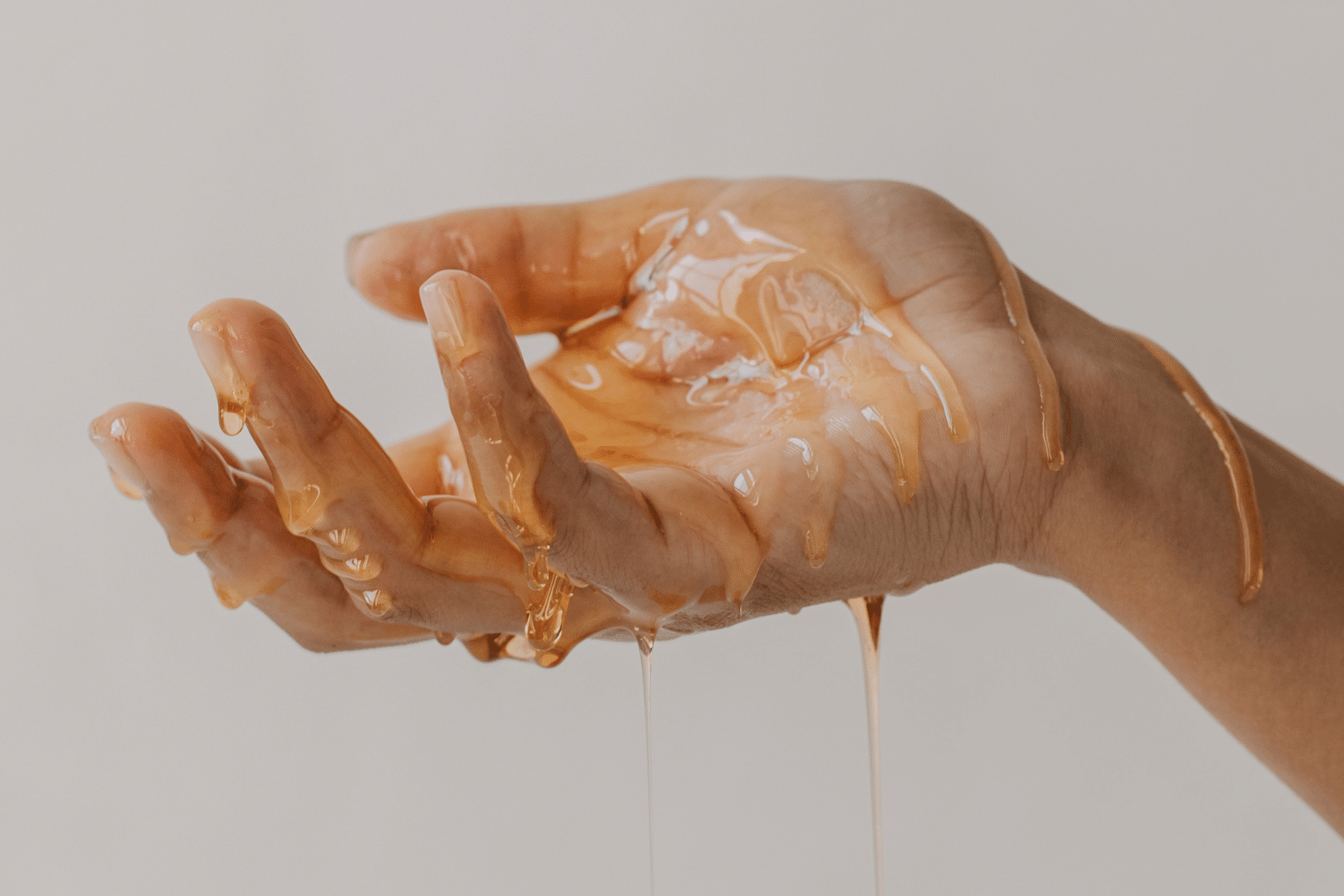
A few things might come to mind when you hear the word juicy, but I’m not talking about couture or the Notorious B.I.G.
Getting juicy doesn’t have anything to do with squeezing into a velour tracksuit or sporting curves like the Kardashians.
It’s an inside-out affair that has to do with every layer of the self, from the subtle to the most physical. In fact, being juicy is one of the telltale signs of radiant, whole-person health.
So what does it really mean? In simplified terms, being juicy refers to lubrication.
So much of the body depends on lubrication for optimum health, from the joints to the mouth to the eyes to the sexual organs.
On a more microscopic level, the skin relies on lubrication in the form of collagen—a protein—and ceramides, a fat necessary to protect the skin from the elements as well as pathogens.
Plus, there’s even an emotional element to lubrication, if metaphorical. Think bouncing back from difficult emotions, resilience in hard times, or letting things roll off you like a big rubber raincoat.
The best way to think about the type of lubrication I’m talking about is to picture a big, juicy grape. Then compare it to a raisin. The raisin is dried up and shriveled, and doesn’t contain nearly the same amount of water as the grape.
When it comes to wellness, we’re going for the grape.
Giving juiciness a name: Ojas
 While there’s no equivalent for this type of all-encompassing lubrication in Western medicine, there is a name for it in Ayurveda: ojas.
Sometimes translated as “vital fluids,” ojas is the juicy quality that makes life feel abundant, insulates us from the cold, and acts as a pathway for pleasure.
Without it, life is dull, dry, brittle, and tight. It not only lacks hydration—it lacks flexibility, adaptability, and that je ne sais quoi, in-the-flow vibe that brings about joy.
The lubrication that ojas provides is also responsible for immunity, as ojas feeds the mucous membranes and ceramides layer that are integral in keeping out infection.
Physical effects of low ojas
When it comes to the physical body, there are several physical symptoms that may point to a lack of ojas:
- dry skin and lips
- brittle hair and nails
- scanty sweating
- dry mucous membranes
- premature wrinkles
- reduced immunity
- vaginal dryness
An extreme lack of ojas can actually affect the nervous system and the cerebrospinal fluid, which provides nutrients to and protects the brain and spine.
The nerves themselves are wrapped in a layer of myelin, a plasma membrane that helps protect them and contains the electrical impulses they carry.
Without myelin, the nerves can become like livewires, which can be the beginning of a number of neurodegenerative disorders.
Psychological effects of low ojas
Since ojas impacts the nerves, brain, and spine, it may not come as a surprise that the juiciness of ojas—or lack thereof—can affect the emotions as well.
Psychological effects of low ojas can include:
- insecurity
- anxiety
- paranoia
- feeling ungrounded
- feeling unsafe, or like you don’t belong
- fatigue and tiredness
- brain fog and poor memory
Needless to say, ojas is a must on both a physical and psycho-emotional level.
When it comes down to it, ojas could be considered the closest physiological correlate to self-love. As such, it’s the core as well as the byproduct of a healthy wellness routine that’s focused on deep well-being.
In other words, ojas is the refined essence of life that makes us feel like we’re wrapped in a big, warm, protective hug.
How to get juicy from the inside out
Now you know how essential ojas is for feeling your best, inside and out. Here’s how to dive into juiciness in every aspect of life.
Focus on the sweet
While diet culture so often tells us to shun sweet things, ojas relies on sweetness to grow and flourish.
However, sweetness doesn’t just come from sugary foods like cookies and cake. There are a whole host of things that can bring sweetness into your life, like:
- a tender hug from a loved one
- giving yourself a slow, sensual massage
- a heart-to-heart chat with a dear friend
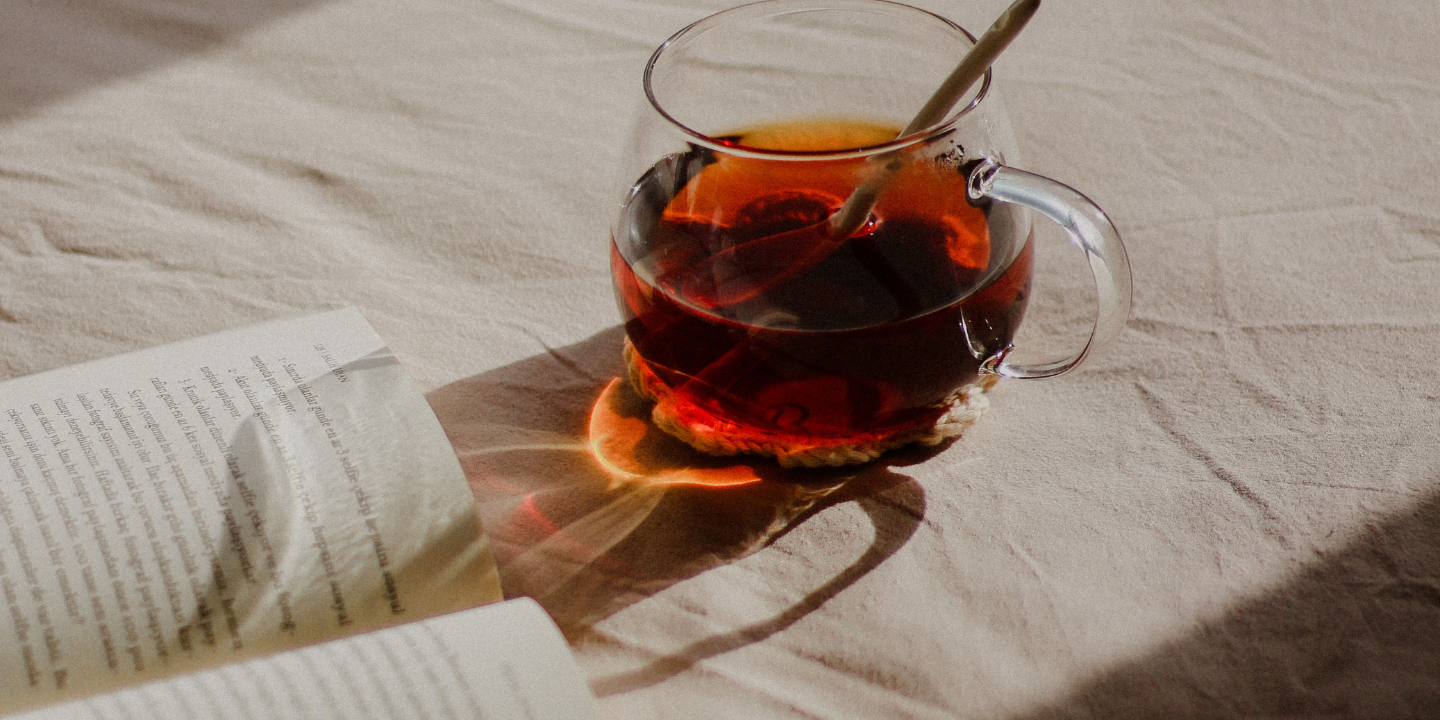
- a cozy cuddle-up with a warm blanket, a tea, and a good book
- listening to uplifting, inspiring music
- surrounding yourself with colors that energize you
- placing fresh plants or flowers throughout your space
- eating your favorite comfort foods (especially when cooked with love!)
When you reframe sweet to encompass more than just the tub of ice cream in the freezer, you can start to meet your craving for sweet from other places.
It doesn’t mean you have to skip the sweet foods—it’s just a way to expand where you get your sweetness from.
The bottom line is that when you crave sweet, it’s often a deeper craving than the desire for sugar. It often speaks to a more subconscious desire for:
- rest
- calm
- love
- affection
- tenderness
- softness
- a sense that you’re safe, held, and belong
By regularly and intentionally giving yourself the sweetness you crave in a variety of ways, you can reduce your dependence on any single source.
This can do wonders for the quality of your diet just as much as it can for the quality of your relationships!
Take hydration to the next level
If getting juicy is the opposite of feeling dried out, then hydration can help you get there.
Hydration can happen on so many levels, from getting enough water to using your favorite moisturizer.
Here are some quick tips for getting deeply hydrated:
- Drink plenty of water.
- Add sea salt or trace minerals to your water.
- Eat healthy fats like ghee and avocado oil.
- Keep your skin barrier happy and protected with oils and moisturizers.
How much water is “plenty?” About half to one ounce per pound of body weight, according to Penn Medicine.
Salt and trace minerals can help add back important macro and micro minerals to the body. These are important for a number of reasons, including:
- cardiovascular health
- bone and skeletal tissue health
- cell metabolism
- maintaining pH balance
- regulating nerve and muscle function
They also contain important electrolytes like sodium, potassium, and magnesium that support healthy hydration by affecting the amount of water your body retains.
Make fat your friend
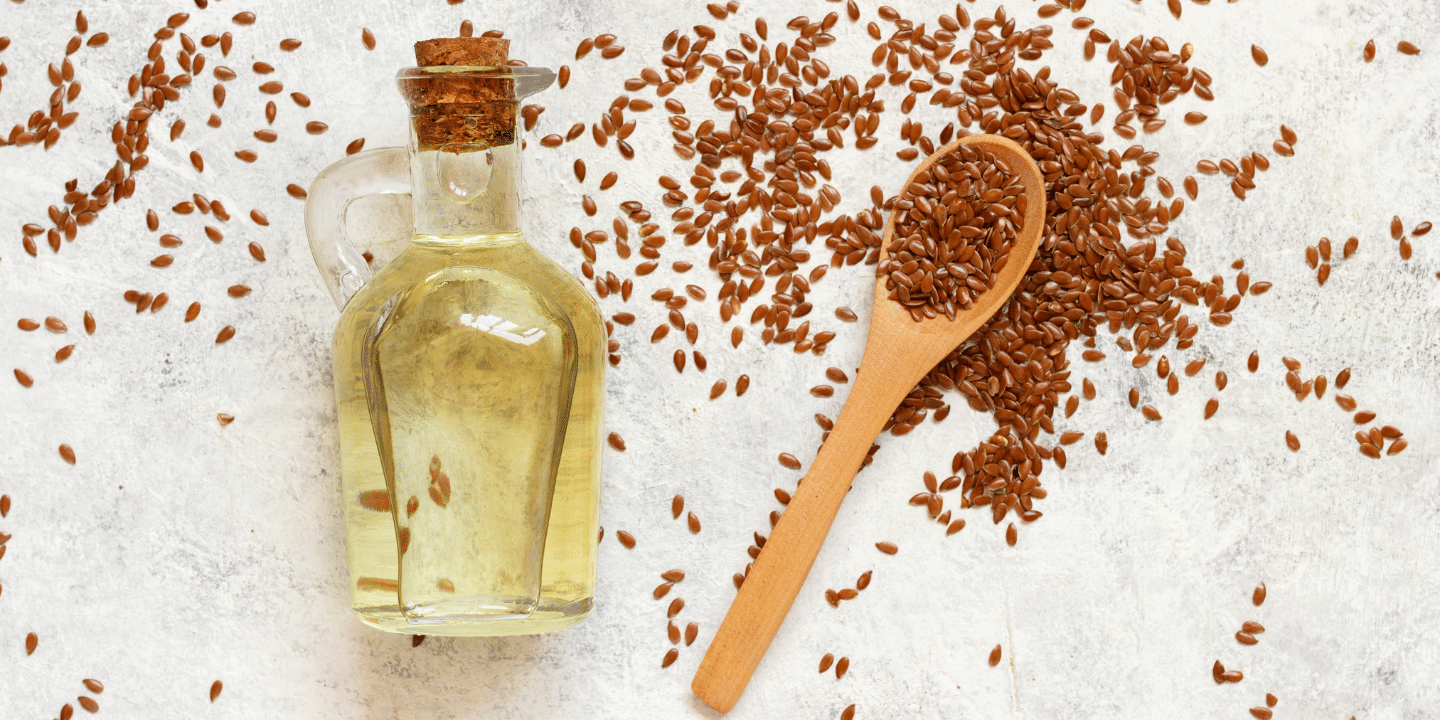
As mentioned above, healthy fat is one way to moisturize the body from the inside out. Adding healthy fats to your diet ensures your tissues are getting enough lubrication (read: juiciness).
According to a 2021 review, omega−3 fatty acids can protect against metabolic disorders and chronic disease by increasing α-linolenic acid (ALA) in the diet.
There are a number of great dietary sources of omega-3 fatty acids, including:
- walnuts
- edamame
- beans
- chia seeds
- hemp seeds
- flax seeds
- tofu
- seaweed
- fish like salmon, mackerel, and anchovies
- MCT oil
Of course, you can always add an omega-3 supplement to your diet too.
According to Ayurveda, ghee, or clarified butter, is considered an ideal healthy fat that’s used in cooking as well as body care.
Along with being high in omega-3’s, ghee is a great source of butyric acid, a short-chain fatty acid that may help reduce inflammation and support digestive health. It’s also high in antioxidants and fat soluble vitamins.
Healthy fats are incredibly beneficial for the health of a number of body systems, but it’s still important to maintain balance in your fat intake.
Moisturizing 3.0
 You may know that moisturizing is essential for skin health, but there’s so much more to moisturizing than just applying lotion or serum.
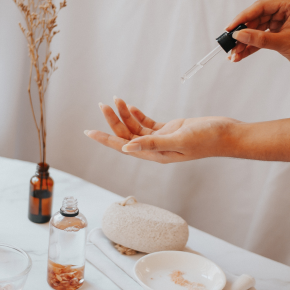
Ayurveda recommends self-massage with oil, also known as Abhyanga, on the daily.
This practice is incredibly soothing and relaxing when done with patience, presence, and care. It also often involves medicated oils or ghees that are deeply nourishing to the skin.
These oils may also include herbal blends for encouraging specific health outcomes, and can be warmed to help open the pores for increased absorption.
Applying warm oil to the entire body from head to toe each day is a wonderful way to send a signal to your body that it’s loved, nourished, and cared for.
It’s also a sure-fire way to up your juiciness.
The takeaway
Getting juicy goes beyond the surface level. It’s about bringing on the ooey-gooey love into every aspect of your health, from your emotions to your diet to your skin.
With a few simple lifestyle habits, you can be dripping with juiciness—in other words, glowing with self-love from the inside out.
Sources:
Ahmad R. (2015). How Much Water Do You Need Each Day?. https://www.pennmedicine.org/updates/blogs/health-and-wellness/2015/may/how-much-water-do-you-need-each-day
Bali S, et al. (2019). Ghee: the much maligned cooking medium, now slowly reclaiming its
therapeutic reputation. https://www.researchgate.net/profile/Sharadendu-Bali/publication/356498949_Ghee_-_The_Cooking_Medium_for_Good_Health/links/631d8079071ea12e3624b02a/Ghee-The-Cooking-Medium-for-Good-Health.pdf
Borycka-Kiciak K, et al. (2017). Butyric acid – a well-known molecule revisited. https://www.ncbi.nlm.nih.gov/pmc/articles/PMC5497138/
Chycki J, et al. (2017). The effect of mineral-based alkaline water on hydration status and the metabolic response to short-term anaerobic exercise. https://www.ncbi.nlm.nih.gov/pmc/articles/PMC5676322/
Gaffney-Stomberg E. (2018). The Impact of Trace Minerals on Bone Metabolism. https://link.springer.com/article/10.1007/s12011-018-1583-8
Han F, et al. (2019). Neuroinflammation and Myelin Status in Alzheimer’s Disease, Parkinson’s Disease, and Normal Aging Brains: A Small Sample Study. https://www.hindawi.com/journals/pd/2019/7975407/
Kumar Saini K, et al. (2021). Omega−3 Polyunsaturated Fatty Acids (PUFAs): Emerging Plant and Microbial Sources, Oxidative Stability, Bioavailability, and Health Benefits—A Review. https://www.mdpi.com/2076-3921/10/10/1627
Mohammadifard N, et al. (2017). Trace minerals intake: Risks and benefits for cardiovascular health. https://www.tandfonline.com/doi/abs/10.1080/10408398.2017.1406332
Morell P, et al. (n.d.). The Myelin Sheath. https://www.ncbi.nlm.nih.gov/books/NBK27954/
About Crystal
 Crystal Hoshaw has been a student of yoga since 2004 and a student of Ayurveda since 2007. She earned her Ayurvedic Wellness Coach certification from The Shakti School after years of on-site study in Los Angeles, San Francisco, and Thailand. She marries her knowledge of Ayurveda, mindfulness, and yogic philosophy through coaching and courses at www.simplewildfree.com. You can also find her on Instagram.