• Skip to main content

The Shakti School

Feminine Form Sacred Technology

  • About
  • Blog
  • Glow-Worthy
  • Ayurveda
  • Subscribe
  • Podcast
  • Book a Call
  • Free Course
  •  

Blog

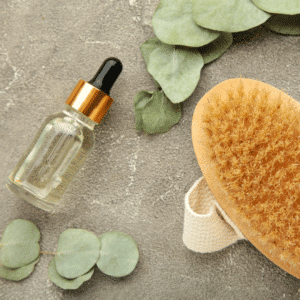
How to Dry Brush the Ayurvedic Way

Blog Featured Image (1200 × 628 px) (1)

Why Dry Brush?

Dry Brushing (traditionally called garshana) helps move stagnation, stimulates Rasa Dhatu’s flow, boosts our natural detoxification system and gives the skin that GLOW we all want! 🌟⁠
⁠
In Ayurveda, our lymph is part of the Rasa Dhatu, one of the 7 tissues of the body.⁠
⁠
The lymph and blood plasma serve as the first line of immune defense when we encounter allergens and bacteria. Not only does the lymphatic system serve as immune defense, it also serves as psycho-emotional defense (AKA how easily we can let things roll off us, rather than deeply penetrate and wound us, on an emotional level). 🫀⁠
⁠
Unlike your blood, which is pumped throughout your body by your heart, your lymph relies on your body’s valve system to move, functioning more like a manual pumping system. This is where practices like dry brushing and Abhyanga come in - they help literally “pump” the lymph! 💪🏽⁠
⁠

Brush Towards the Heart

It's best to use a dry brush on dry skin before you take a bath or shower. Start at your feet and work your way upwards. Brush in a circular motion always in the direction of your heart. This will help increase blood flow throughout the body.

Follow Up with Moisture

Try to brush for at least 3 minutes working your way up to 5 minutes. After showering, make sure to lather yourself in some kind of amazing moisturizer or use your dry brush right before you Abhyanga, allowing the oil to be deeply absorbed into your revived skin.


Spring is an amazing time for dry brushing, boosting your body’s natural detoxification system and even giving you a freshened-up, more vigorous outlook on life. 😉

Continue Reading

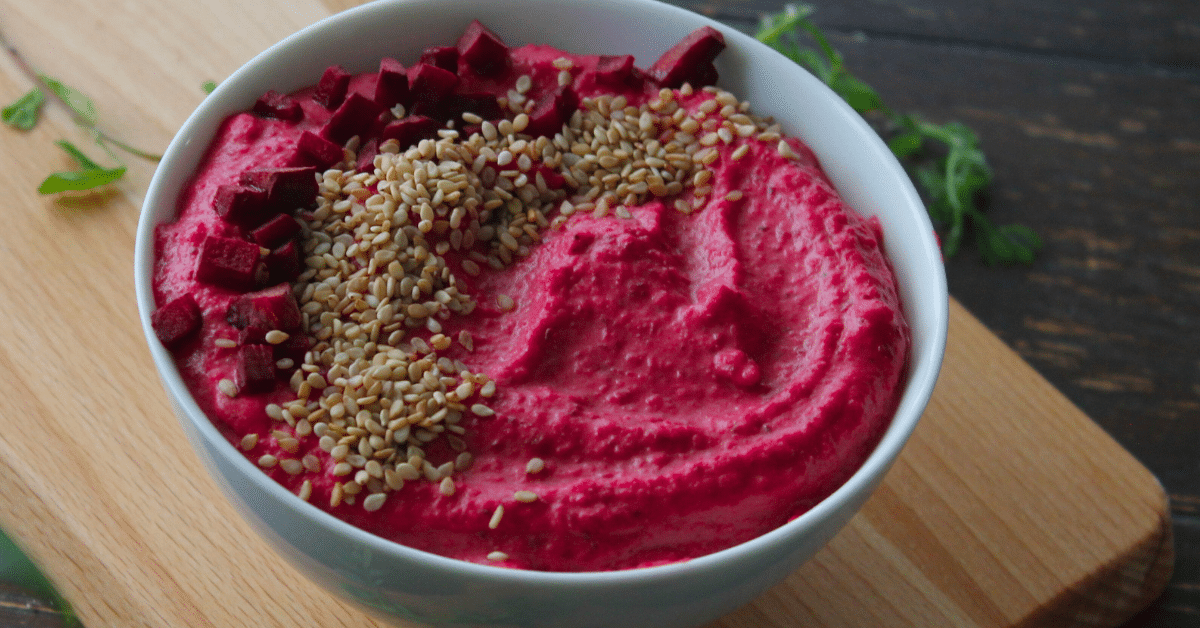
Beet & Chickpea Hummus

Blog Featured Image (1200 × 628 px) (1)

To further support you during this kapha season, I want to offer up one of my go-to recipes for one of my favorite grounding veggies: the beet! ⁠
⁠
Beets are loaded with health benefits and when I eat them regularly I feel like I have some sort of super strength. ⁠
⁠
Their rich color is a key indicator of their richness in antioxidants and anti-inflammatory effects on the body. ⁠
⁠
In Ayurveda, beets can be eaten in abundance by all doshas as long as they are prepared appropriately. Vata & pitta individuals can tolerate cooked beets more so than kapha. If you are prone to have more kapha, try adding a little extra mustard seed and black pepper to your beets. ⁠
⁠
Other benefits of beets include: ⁠
⁠
🫜 Improves circulation ⁠
⁠🫜 Supports healthy skin⁠
⁠🫜 High in iron ⁠
⁠🫜 Good for liver detoxification ⁠
⁠🫜 Cleanses the blood ⁠
⁠🫜 Good for the brain ⁠
⁠
I love making all sorts of dishes with beets. I’ve added beets to chocolate cakes, roasted them for salads, hummus and dressings, and have even added them to smoothies. The possibilities are endless when it comes to the beet! ⁠

Now let's get into the recipe:

Ingredients: 

  • 1-2 beets (already roasted or boiled)
  • 1 can of chickpeas drained (or you can use 1 cup freshly cooked/drained chickpeas)
  • 1 juiced lemon
  • 1 tsp salt
  • 1 tsp pepper
  • 2 large cloves garlic
  • 3 Tbsp tahini (if you’re looking for an even more kapha-friendly version, you can use sunflower seed butter)
  • ¼ water
  • Olive oil for topping

Directions:

  • Add all the ingredients to a food processor (except for the olive oil). Blend until smooth (you may need to add more water to reach the desired consistency).
  • Top with a drizzle of olive oil, a little parsley or some sesame seeds!⁠

Save this recipe for the next time you need to spice up your dinner rotation or add some color to your plate. 😉🫜🌺🌿

Continue Reading

Rose + Mint Sun Tea

Blog Featured Image (1200 × 628 px) (1)

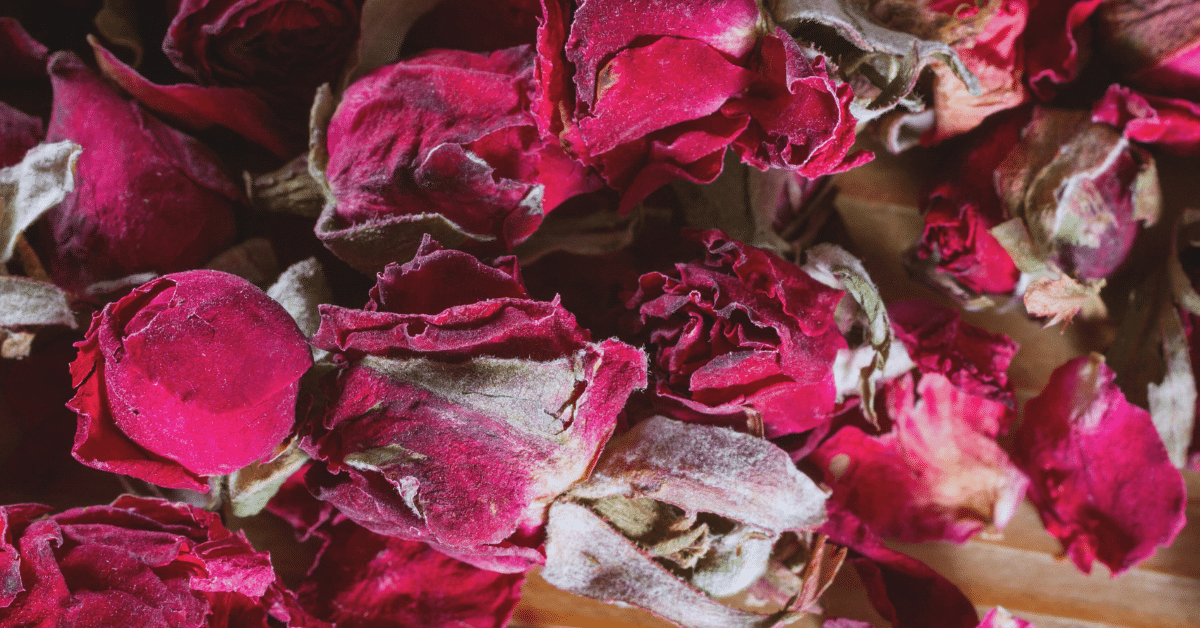
For this recipe, just let the sun do the steeping. 🌞 Steep dried rose petals and fresh mint in a glass jar under direct sunlight for a few hours. (No need to measure perfectly - just add what you’ve got on hand!) Sip room temperature or slightly chilled throughout the day to stay hydrated and soothe Pitta. What do you get? A cooling, heart-opening, Pitta-pacifying potion that’s as beautiful as it is nourishing.⁠
⁠
Here’s a little bit about how these plant allies help support us during the warmer months of the year…⁠
⁠
🌹 Rose - The ultimate flower of the Divine Feminine:⁠
⁠
• Cools the heat of both the body and our emotions (hi, Pitta spiciness 😅)⁠
• Soothes the heart and uplifts mood with its subtle, floral sweetness⁠
• Some studies have demonstrated that rose also has the potential to support the reproductive and nervous systems, and even impact dopamine levels⁠
⁠
🌿 Mint - The crisp, clarifying herb we all need in summer:⁠
⁠
• Helps to clear excess heat and inflammation from the gut and skin⁠
• Stimulates digestion without aggravating Pitta (exactly what we want!)⁠
• Awakens the mind while calming overactive fire in the head + heart 🔥⁠

Sip this floral elixir all day long to stay hydrated, radiant and keep your Pitta chilled out. Your inner fire goddess will thank you. 🧘🏼‍♀️

Continue Reading

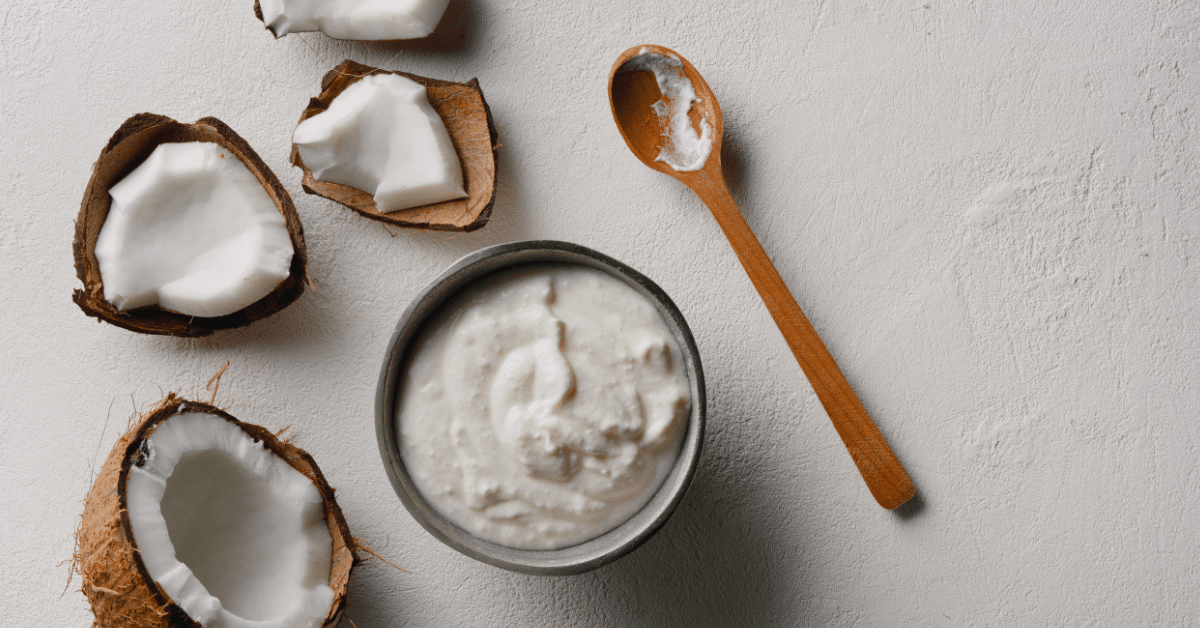
Homemade Coconut Yogurt

Blog Featured Image (1200 × 628 px) (1)

Coconut Yogurt is so delicious and easy to make. It is one of my favorite things to top onto mung daal (if using for savory dishes, exclude the vanilla and maple syrup) or to eat with berries and nuts! Plus, it helps keep the digestive system in check. I especially love it around the early spring/summer months. ⁠
⁠
Add coconut milk, probiotic capsules, vanilla bean and maple syrup to your shopping list—it’s the perfect time to make this cool, sweet recipe! 🥄

Ingredients: 

  • 1 14-ounce can of full fat coconut milk or 1 can of heavy coconut whipping cream
  • 2 capsules of your favorite probiotics
  • 1 tbsp vanilla bean powder
  • 1 tbsp maple syrup (optional)
  • Dash of sea salt

Instructions:

  • Add the coconut milk to a food processor or blender and blend until it is all one consistency. Pour into a glass jar.
  • Empty your probiotic capsules into the yogurt and stir until smooth.
  • Cover the jar with a cheesecloth and a rubber band to secure.
  • Let the yogurt sit on your countertop for at least 24 hours (up to 48 hours is okay).
  • Once the yogurt has reached a thick consistency, add the remaining ingredients and store in the refrigerator. Yogurt will get thicker while it is in the refrigerator as well.
Continue Reading

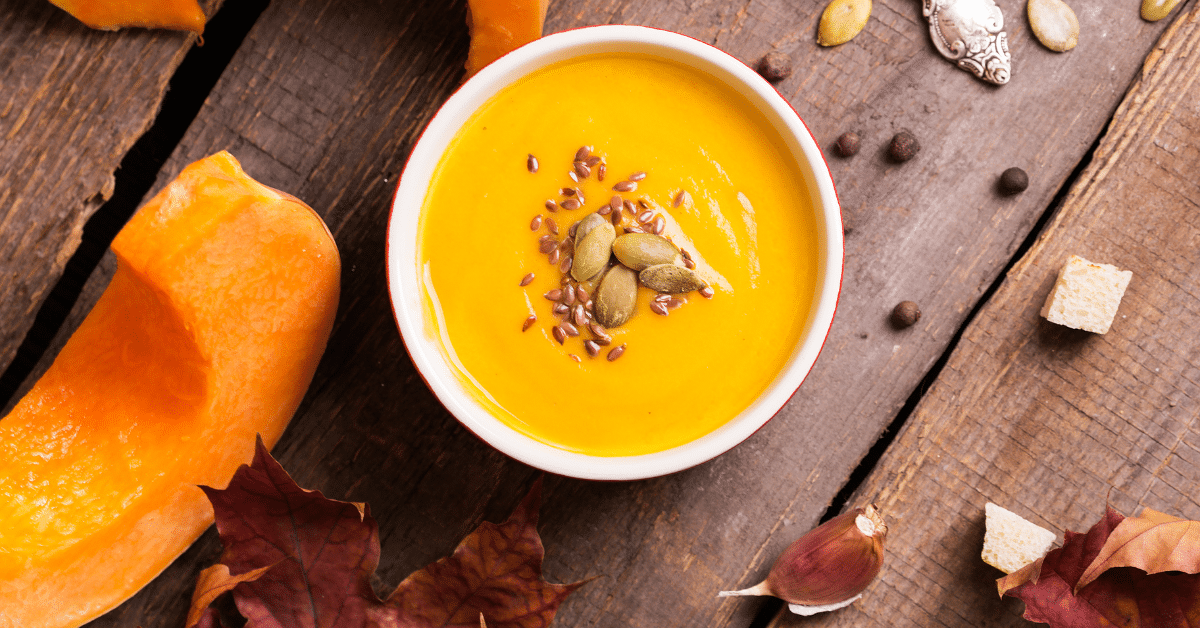
Butternut Squash and Roasted Apple Soup

Blog Featured Image (1200 × 628 px) (1)

This has to be one of my all time favorite soups to make around the fall/winter season. It’s an absolutely perfect combination of flavors: savory, sweet, and a tiny bit of spice. And it’s creamy texture makes me feel like I'm being draped in a warm cozy blanket! If this sounds like too much for a soup to live up to, believe me, it’s not. You must try it!

In Ayurveda, we love talking about food flavor combinations. As many of you reading this may know already, Fall and Winter (in the Northern Hemisphere) tend to have a more drying and cooling effect on the body. This can often affect our sleeping patterns, the quality of our skin, and possibly throw our digestion off. This soup will help to target all of your autumnal needs. With the sweetness of the butternut and apple and the spiciness of the ginger and cayenne, you will feel warm and nourished in no time.

Ingredients: 

  • 1 large butternut squash
  • 1 medium sized carrot
  • 1 medium sized turnip
  • 2-4 tablespoons ghee
  • 1 tsp cumin
  • 1 tsp cinnamon
  • 1 tsp turmeric
  • 1 tsp curry powder
  • 1 tsp cayenne pepper
  • 1 teaspoon sea salt
  • 1 teaspoon black pepper
  • 2 apples (local if possible)
  • 1 large onion, peeled and finely chopped
  • 3 cloves garlic cloves (whole)
  • 1 tbsp minced ginger
  • 4 cups vegetable stock or bone broth
  • 1 sprig fresh rosemary

Directions:

Start by cutting your butternut squash in half, scoop out the seeds and place on a baking sheet lined with parchment paper. Chop the apples, carrot, turnip and the onion (no need to cut them too small) and add them to the baking sheet. Cover everything generously with the spices (except the fresh ginger and rosemary) and the whole garlic cloves.

Bake for 30-35 minutes at 420 degrees.

Add all the ingredients and the ginger to a food processor and blend on high until smooth.

For Serving:

Heat a small amount of ghee in a pan with pumpkin seeds, a dash of cinnamon, and rosemary until lightly toasted. Top with your soup and serve with crusty sourdough bread! 🧡🥖

Continue Reading

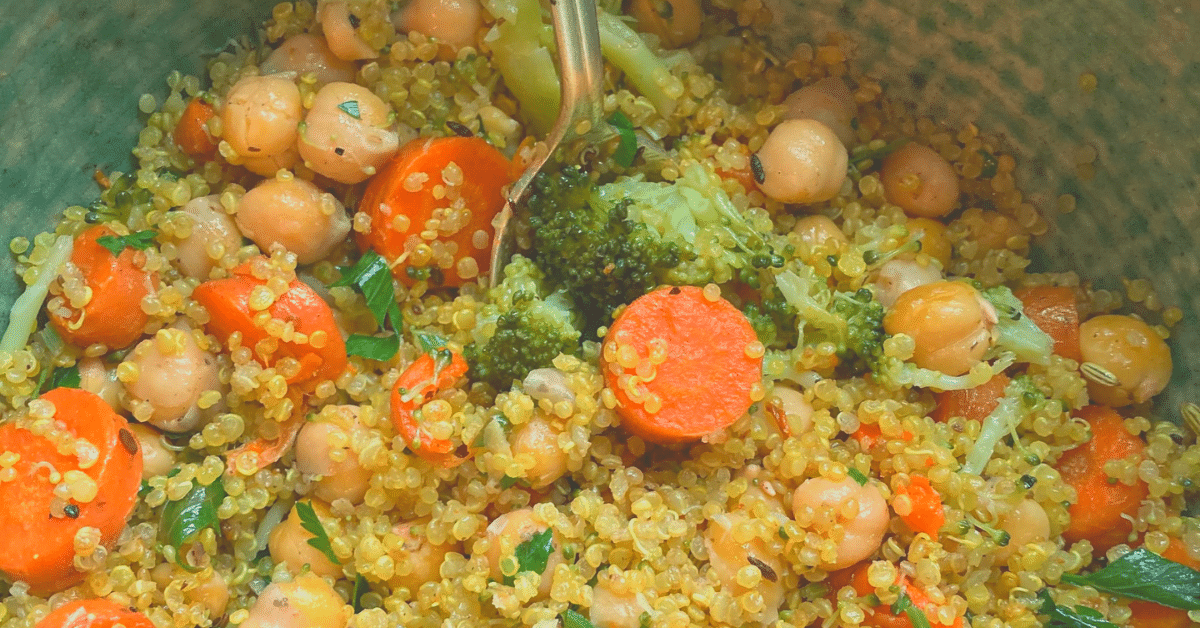
Curried Quinoa and Chickpeas

Blog Featured Image (1200 × 628 px) (1)

What I love about this meal is that it is not only easy, but it is also so satisfying and nourishing. I usually make it in the morning while I am making breakfast in order for it to be perfectly cooked by lunchtime. It saves really well too.

Ingredients:

  • 1/2 tsp cumin seeds
  • 1/2 tsp fennel
  • 1/2 tsp turmeric
  • 1/4 tsp allspice
  • 1/2 tsp salt & pepper
  • 1-2 tbsp ghee
  • 1 cup chickpeas (either canned or prepared ahead of time, *see note below)
  • 1/2 cup quinoa
  • 1-2 medium sized carrots (chopped)
  • 3/4 cups broccoli florets

*Note on chickpeas: it's best not to get in the habit of using canned legumes, however there are certain brands that carefully soak and prepare their products and I prefer to seek those out. I love Westbrae Organic Garbanzo Beans

Directions:

Get ready for the easiest meal ever. First, rinse your quinoa with water by using a fine mesh strainer.

In any type of rice cooker (see note below if you do not own a rice cooker), add the quinoa and all of the remaining ingredients. Refer to the cooking instructions on whatever brand of quinoa you have chosen for the appropriate liquid amount. For the liquid, I like to use either spring water or vegetable/bone broth. Let cook on the rice setting until it's finished.

So easy, right?

For Preparing:

My favorite way to eat this dish is by topping it with avocado, fresh herbs, juice of a lemon, and a spoonful of tahini. 

*If you do not own a rice cooker, don't worry, this dish is just as easy done in a cooking pot with a lid. Follow the same instructions, except add all ingredients to a pot. Cover with your liquid and bring to a boil. Once it's boiling, reduce heat to a simmer, cover with the lid, and allow to cook for 15 minutes. Remove from the heat and let sit for an additional 5 minutes.

Continue Reading

Chocolate Truffles

Blog Featured Image (1200 × 628 px) (1)

Ingredients:

  • 1 cup cup peanut or almond butter
  • 2 tbsp ghee
  • 1/2 cup coconut cream (cream only) 
  • 1 cup cocoa powder
  • 1/4 tsp vanilla
  • 2 tbsp maple syrup
  • 1/4 tsp sea salt
  • ¼ tsp ashwagandha (optional)

Directions:

In a saute pan, melt the ghee, coconut cream, and nut butter over low heat. Pour into a bowl with the remaining ingredients. Transfer to the refrigerator and let cool for about an hour. After the chocolate has cooled, roll into balls and place on a plate with parchment paper. You can get creative here: roll the balls into coconut flakes, rose powder, or whatever you feel called to! 🍫

Continue Reading

Vanilla Coconut Sweet Potato Crumble

Blog Featured Image (1200 × 628 px) (1)

As we move into the season of celebrations, we are excited to share this delicious, grounding, and sugar-free Vanilla, Coconut, Sweet Potato Crumble Recipe with you!

In Ayurveda, sweet potatoes are seen as a nourishing, sattvic food—one that promotes peace, balance, and clarity. They help to pacify vata and pitta doshas, making this dish ideal for the cooler months when we crave warmth and comfort.

This crumble combines the richness of sweet potatoes, creamy coconut, and ghee (or coconut oil), supporting your body’s digestion and immunity while indulging your senses. Topped with pecans and coconut flakes, it's a decadent, yet wholesome option that aligns perfectly with Ayurvedic principles—balancing sweetness with grounding fats and spices like cinnamon and cardamom to boost digestion without overloading on sugar.

Vanilla Coconut Sweet Potato Crumble

Ingredients for the Sweet Potato Filling:

  • 3-4 medium-sized sweet potatoes, chopped (you can peel them if you’d like, but I prefer to keep the skin on for the extra fiber!)
  • ⅓ cup full fat coconut milk
  • 3 Tbsp ghee or coconut oil
  • 2 Tbsp coconut butter
  • ¼ cup pure maple syrup
  • 1 tsp salt
  • 1 tsp cinnamon
  • 1 tsp vanilla bean

Ingredients for the Pecan Topping:

  • 2 cups pecans, chopped (or kept whole for extra decadence)
  • ½-¾ Cup unsweetened coconut flakes
  • 2 Tbsp ghee or coconut oil
  • 3 Tbsp pure maple syrup
  • 1 tsp cinnamon
  • ¼ tsp cardamom
  • pinch salt

Directions:

For the sweet potato:

  • Place sweet potatoes in a large pot, cover with water, and bring to a boil. Allow them to boil until they are completely soft (about 15 minutes). Drain and transfer to a food processor. (You can also mash/mix by hand if you do not have a food processor). Add the remaining ingredients (for the mash) to the food processor and blend until it’s smooth or has reached your desired consistency.
  • Pour mash into an 8×8 baking dish. Use a spoon to smooth out the surface.

For the topping:

  • Preheat the oven to 375 degrees. In the meantime, in a medium-sized bowl, combine all of the topping ingredients. Mix well and spread over the sweet potato mash.
  • Cover with foil and bake for 20 minutes at 375 degrees.
  • Remove foil and bake for another 20-25 minutes. Keep an eye on the pecans. If they begin to brown, cover again with the foil.

I hope this recipe nourishes both your body and soul this upcoming holiday season! 🧡

Continue Reading
  • « Go to Previous Page
  • Page 1
  • Page 2
  • Page 3
  • Page 4
  • Page 5
  • Interim pages omitted …
  • Page 17
  • Go to Next Page »

Footer Hero Widget

theshaktischool

TheShaktiSchool

Vata is the wind of change in the body: creative, Vata is the wind of change in the body: creative, enthusiastic, inspired... and occasionally running on caffeine, adrenaline and pure optimism. 💨✨🌀⁠
⁠
If you've ever wondered why you do what you do or why you are the way you are, Ayurveda offers a beautiful roadmap for understanding your unique constitution and bringing yourself back into balance.⁠
⁠
Lady, did you know that your nervous system is listening to every thought, every breath and every moment of presence (or lack thereof!)?⁠
⁠
If you're ready to understand your body through the lens of Ayurveda while learning practical tools for regulation, embodiment and vitality, we'd love to have you. ⁠
⁠
Join us for a FREE live class, Somatic Ayurveda: Balance Your Nervous System with Ancient Embodiment, on Tuesday, August 25 at 10am US Eastern.⁠
⁠
🌀 Comment ENERGY below to register for free.
Join us for a FREE class on Tuesday, August 25th a Join us for a FREE class on Tuesday, August 25th at 10am US Eastern (the replay will be sent out to everyone who cannot attend live!⁠
⁠
In this free class, we will explore the human body as both a biological and subtle energetic system shaped by presence, perception, love and awareness. ⁠
⁠
Drawing from Ayurveda, Tantra, neuroscience and nervous system science, we’ll examine how interoception, proprioception and autonomic regulation influence healing, embodiment and awakening. ⁠
⁠
This talk bridges ancient wisdom and modern physiology to explore how deeper states of coherence, vitality and conscious presence emerge through the restoration of our relationship to body, breath, sensation and subtle awareness.⁠
⁠
Participants will explore:⁠
⁠
• The Tantric idea of the “crystalline body”⁠
• Ayurveda and the subtle body: prana, ojas and awareness⁠
• Interoception, proprioception and nervous system regulation⁠
• Presence and love as healing forces⁠
• Trauma, stress and embodied awakening⁠
• Practical tools for regulation and subtle awareness⁠
⁠
🧬 Comment ENERGY below for the link to register.
My Ayurveda is not built on rigid rules or impossi My Ayurveda is not built on rigid rules or impossible standards. Trust me, I’ve tried that. It doesn’t work.⁠
⁠
My Ayurveda is not about perfection, but it is about remembering that your food can be your medicine, and everything we take in is food. ⁠
⁠
My 30 years of study have taught me that Ayurveda must also meet the time, the place and the people in which it is living. ⁠
⁠
My Ayurveda is imperfect because it’s alive, it’s real and that’s what makes it holy.⁠
⁠
Beautiful person, I invite you to join us for a year-long mentorship with your own body and soul, to discover YOUR Ayurveda. 🌿⁠
⁠
Our Ayurvedic Wellness Coach certification is a spiritual initiation into the wisdom of your body. It’s about remembering. ⁠
⁠
This is the year you stop searching for someone else’s Ayurveda and learn how to come home to yours.⁠
⁠
Our 2027 class begins January 20th. Comment AYURVEDASCHOOL for more information. ❤️‍🔥⁠
⁠
Want a taste of Shakti Ayurveda School right now? Comment WISDOM and we’ll send you our free mini-course, Women’s Wisdom and Ayurveda.
In August, the heat and fire of pitta that built u In August, the heat and fire of pitta that built up in June and July starts to rise to the surface, especially as moisture in our body begins to dry out. 🌞🍂 ⁠
⁠
Ayurveda invites us to focus on foods that are cooling, hydrating and slightly grounding. It’s time to soothe the lingering fire of summer while gently preparing our bodies for the cool, dry, vata winds of fall.⁠
⁠
Here’s your shopping list:⁠
⁠
• Mint: Cooling and calming, balances Pitta heat and soothes digestion.⁠
• Peaches: Helps balance dryness with juiciness and hydration!⁠
• Grapes: Sweet, cooling, lightly grounding and ojas-building.⁠
• Pears: Moistening, helping combat late-summer dryness.⁠
• Cucumbers: Cooling and deeply hydrating for your tissues.⁠
• Jicama: Crunchy, sweet and grounding, perfect for balancing rising vata.⁠
• Sweet Potatoes: Nourishing and help stabilize the body ahead of fall.⁠
• Yellow Squash: Moistening and light, supports digestion and balances pitta.⁠
• Apples: Astringent and cleansing, they gently clear excess summer heat.⁠
• Quinoa: Light yet grounding, ideal as we transition from summer to autumn.⁠
• Milk: Especially organic + warm! Nourishes and lubricates as dryness sets in.⁠
• Coconut Oil: Cools pitta, lubricates tissues and calms inflammation.⁠
• Carrots: Sweet and earthy, they ground airy vata and prep digestion for fall.⁠
• Ghee: Builds ojas, lubricates tissues and strengthens agni without heat.⁠
• Tomatoes: For kaphas, their acidity and lightness help stimulate digestion, but avoid for pittas + vatas.⁠
• Mung Beans: These light legumes balance pitta and gently detoxify the digestive system.⁠
⁠
If you're joining us from the Southern Hemisphere, choose foods that balance vata right now. As always in Ayurveda, the best medicine is what's fresh, local and in season where you live.⁠
⁠
🕯️Comment WISDOM to dive into our free Women’s Wisdom + Ayurveda mini-course now.⁠
🌹 FREE CLASS: The Ancient Wisdom of Relationshi 🌹 FREE CLASS: The Ancient Wisdom of Relationship Through the Lens of Tantra & Ayurveda⁠
⁠
The relationship you have with your own body becomes the template for every relationship you create.⁠
⁠
If you've ever wondered why one person shuts down during conflict while another pursues, why certain conversations leave you feeling depleted, or why the same relationship patterns keep repeating, this class is for you.⁠
⁠
According to Ayurveda and classical Tantra, the body is not separate from the mind, the nervous system or our relationships. ⁠
⁠
The way we meet our own fear, longing, grief, desire and vulnerability becomes the way we meet the people we love. ⁠
⁠
When we transform the relationship within ourselves, our relationships with others begin to transform too.⁠
⁠
In this free class, you’ll learn:⁠
⁠
• How your dosha shapes the way you communicate, give love and respond to conflict⁠
• The role of nervous system regulation in connection, repair and emotional resilience⁠
• How hormones, stress and physiology influence attraction and relationships⁠
• Ancient Tantric teachings for cultivating presence, intimacy and authentic connection⁠
• Simple relationship rituals and practices to strengthen communication, boundaries and emotional safety⁠
⁠
Whether you're nurturing a romantic relationship, strengthening family connections, deepening friendships or cultivating a more compassionate relationship with yourself, this class offers practical tools for creating healthier, more connected relationships.⁠
⁠
💻 Comment ATTRACT below and we'll send you the FREE class recording right now.⁠
⁠
Art reposted from @deltavenus

Footer

© 2026 Shakti School

  • FAQ
  • Privacy Policy
  • Terms and Conditions
  • Advocacy
  • Find a Coach
  • Login
  • Katie's Books
  • Contact and Support

Get the Shakti Letter love, katie