• Skip to main content

The Shakti School

Feminine Form Sacred Technology

  • About
  • Blog
  • Glow-Worthy
  • Ayurveda
  • Subscribe
  • Podcast
  • Book a Call
  • Free Course
  •  

ayurvedic food

Ep. 201 Wait for the Yum: A Convo with Food Maven, Meredith Klein

This is an image with Meredith Klein and Katie Silcox. The text reads, "Spirit Sessions: Find Your True Spiritual Home." It links to a podcast interview with Meredith Klein on the Spirit Sessions podcast.

Calling all perfectionists! Do you want to drop the self-judgment and experience more joy and freedom around food? In today’s episode, Katie is joined by Shakti School teacher, chef, and author of Food Ritual, Meredith Klein. They share how to approach your Ayurvedic lifestyle with gentleness instead of judgment, and why it’s so important to adapt traditional Ayurvedic guidelines to your specific time, place and culture.

Study Ayurvedic nutrition and so much more with Meredith and Katie in our year-long Divine Feminine Ayurveda School! Click here to learn more and register before classes start on January 15, 2025.

In this interview with Meredith Klein, you’ll hear:

~ Sign up for our free mini-course about Women’s Wisdom and Ayurveda!

~ Time is running out to secure your spot in our upcoming Ayurvedic Wellness Coach certification program!

~ Do I have to eat Indian food to be Ayurvedic?

~ Is it okay to eat leftovers?

~ How to make Ayurveda more approachable

~ Why Ayurveda is for everyone

~ The importance of bhavata when cooking

~ Meredith Klein’s food and cooking philosophy

~ Using the gunas as guides for cooking

~ Advice for those learning how to cook for themselves

~ Cultivating curiosity in the kitchen

~ A simple pre-cooking ritual to center yourself

~ Book a free call to learn more about Ayurveda School!

Other resources mentioned in this episode:

~ Connect with Meredith Klein on her website, pranaful.com, and Instagram

~ Learn more about our Ayurveda School here!

~ Cooking app by the New York Times

~ Follow us on Instagram and Facebook

Related episodes:

~ Ep. 62 Don’t Work for Free with Chef Meredith Klein

~ Ep. 163 The Deepest Meaning of Ayurveda with Sandhiya Ramaswamy

Or Subscribe on iTunes

Learn more:

  • Ayurveda Certification
  • The Shakti School Subscription

Help Us Spread Our Pod Wings!

I hope you found this episode with Meredith Klein helpful! This show is a passion project that I produce for the love of sharing. If you enjoy this show and want a free and easy way to help it grow, the most effective way you can help is to:

  1. Subscribe to the show by clicking “subscribe” in iTunes
  2. Write us a review in iTunes
  3. Share this show with one friend right now!

It’s seems simple, but you’d be AMAZED to know how much it helps my little love project reach more people. iTunes’ algorithm uses ratings and reviews to know who to show our show to in their app.

Here’s the link to leave us reviews in iTunes.

From my heart to yours,

Katie
Continue Reading

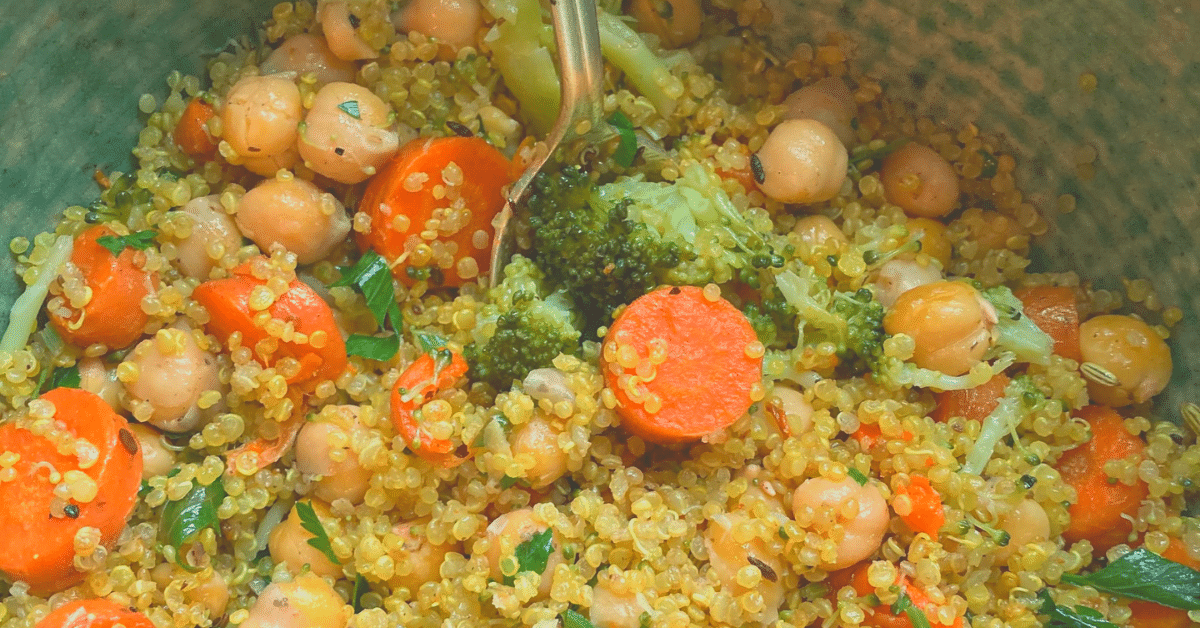
Curried Quinoa and Chickpeas

Blog Featured Image (1200 × 628 px) (1)

What I love about this meal is that it is not only easy, but it is also so satisfying and nourishing. I usually make it in the morning while I am making breakfast in order for it to be perfectly cooked by lunchtime. It saves really well too.

Ingredients:

  • 1/2 tsp cumin seeds
  • 1/2 tsp fennel
  • 1/2 tsp turmeric
  • 1/4 tsp allspice
  • 1/2 tsp salt & pepper
  • 1-2 tbsp ghee
  • 1 cup chickpeas (either canned or prepared ahead of time, *see note below)
  • 1/2 cup quinoa
  • 1-2 medium sized carrots (chopped)
  • 3/4 cups broccoli florets

*Note on chickpeas: it's best not to get in the habit of using canned legumes, however there are certain brands that carefully soak and prepare their products and I prefer to seek those out. I love Westbrae Organic Garbanzo Beans

Directions:

Get ready for the easiest meal ever. First, rinse your quinoa with water by using a fine mesh strainer.

In any type of rice cooker (see note below if you do not own a rice cooker), add the quinoa and all of the remaining ingredients. Refer to the cooking instructions on whatever brand of quinoa you have chosen for the appropriate liquid amount. For the liquid, I like to use either spring water or vegetable/bone broth. Let cook on the rice setting until it's finished.

So easy, right?

For Preparing:

My favorite way to eat this dish is by topping it with avocado, fresh herbs, juice of a lemon, and a spoonful of tahini. 

*If you do not own a rice cooker, don't worry, this dish is just as easy done in a cooking pot with a lid. Follow the same instructions, except add all ingredients to a pot. Cover with your liquid and bring to a boil. Once it's boiling, reduce heat to a simmer, cover with the lid, and allow to cook for 15 minutes. Remove from the heat and let sit for an additional 5 minutes.

Continue Reading

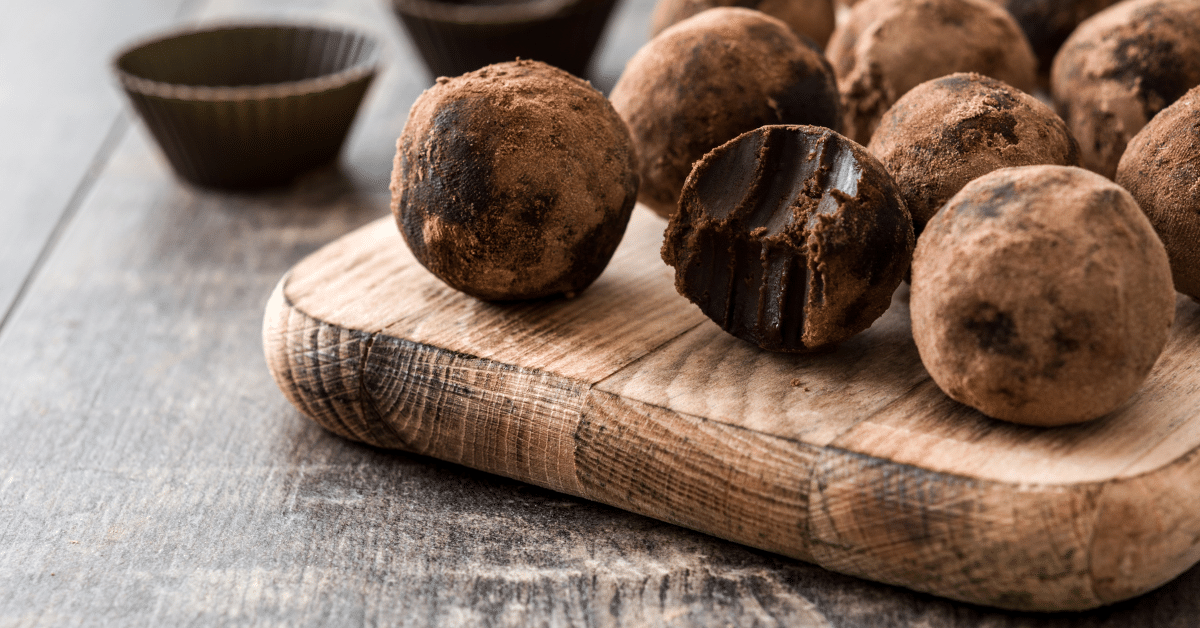
Chocolate Truffles

Blog Featured Image (1200 × 628 px) (1)

Ingredients:

  • 1 cup cup peanut or almond butter
  • 2 tbsp ghee
  • 1/2 cup coconut cream (cream only) 
  • 1 cup cocoa powder
  • 1/4 tsp vanilla
  • 2 tbsp maple syrup
  • 1/4 tsp sea salt
  • ¼ tsp ashwagandha (optional)

Directions:

In a saute pan, melt the ghee, coconut cream, and nut butter over low heat. Pour into a bowl with the remaining ingredients. Transfer to the refrigerator and let cool for about an hour. After the chocolate has cooled, roll into balls and place on a plate with parchment paper. You can get creative here: roll the balls into coconut flakes, rose powder, or whatever you feel called to! 🍫

Continue Reading

Vanilla Coconut Sweet Potato Crumble

Blog Featured Image (1200 × 628 px) (1)

As we move into the season of celebrations, we are excited to share this delicious, grounding, and sugar-free Vanilla, Coconut, Sweet Potato Crumble Recipe with you!

In Ayurveda, sweet potatoes are seen as a nourishing, sattvic food—one that promotes peace, balance, and clarity. They help to pacify vata and pitta doshas, making this dish ideal for the cooler months when we crave warmth and comfort.

This crumble combines the richness of sweet potatoes, creamy coconut, and ghee (or coconut oil), supporting your body’s digestion and immunity while indulging your senses. Topped with pecans and coconut flakes, it's a decadent, yet wholesome option that aligns perfectly with Ayurvedic principles—balancing sweetness with grounding fats and spices like cinnamon and cardamom to boost digestion without overloading on sugar.

Vanilla Coconut Sweet Potato Crumble

Ingredients for the Sweet Potato Filling:

  • 3-4 medium-sized sweet potatoes, chopped (you can peel them if you’d like, but I prefer to keep the skin on for the extra fiber!)
  • ⅓ cup full fat coconut milk
  • 3 Tbsp ghee or coconut oil
  • 2 Tbsp coconut butter
  • ¼ cup pure maple syrup
  • 1 tsp salt
  • 1 tsp cinnamon
  • 1 tsp vanilla bean

Ingredients for the Pecan Topping:

  • 2 cups pecans, chopped (or kept whole for extra decadence)
  • ½-¾ Cup unsweetened coconut flakes
  • 2 Tbsp ghee or coconut oil
  • 3 Tbsp pure maple syrup
  • 1 tsp cinnamon
  • ¼ tsp cardamom
  • pinch salt

Directions:

For the sweet potato:

  • Place sweet potatoes in a large pot, cover with water, and bring to a boil. Allow them to boil until they are completely soft (about 15 minutes). Drain and transfer to a food processor. (You can also mash/mix by hand if you do not have a food processor). Add the remaining ingredients (for the mash) to the food processor and blend until it’s smooth or has reached your desired consistency.
  • Pour mash into an 8×8 baking dish. Use a spoon to smooth out the surface.

For the topping:

  • Preheat the oven to 375 degrees. In the meantime, in a medium-sized bowl, combine all of the topping ingredients. Mix well and spread over the sweet potato mash.
  • Cover with foil and bake for 20 minutes at 375 degrees.
  • Remove foil and bake for another 20-25 minutes. Keep an eye on the pecans. If they begin to brown, cover again with the foil.

I hope this recipe nourishes both your body and soul this upcoming holiday season! 🧡

Continue Reading

Ayurvedic Mint, Pistachio and Cilantro Chutney Recipe

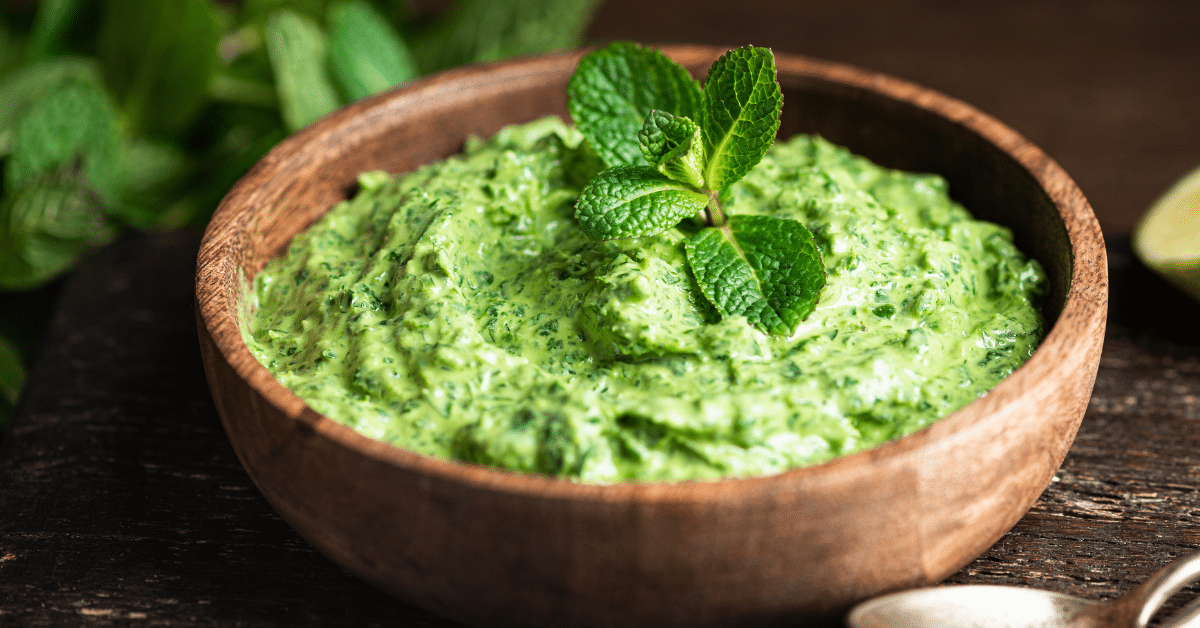
This is a picture of a bowl of green chutney. It links to a Ayurvedic Mint, Pistachio and Cilantro Chutney recipe blog post.

This Ayurvedic mint, pistachio and cilantro chutney recipe makes a tasty side or topping rich in herbs and spices that support digestion, detoxification and overall health.

Ayurvedic Mint, Pistachio and Cilantro Chutney Recipe

Ingredients:

  • 1 cup fresh cilantro leaves (finely chopped)
  • 1/2 cup fresh mint leaves (finely chopped)
  • 1/4 cup unsalted pistachios (soaked for 1-2 hours)
  • 1 small green chili (optional, adjust to your heat preference)
  • 1 tablespoon fresh ginger (grated)
  • 1/2 teaspoon cumin seeds (lightly roasted)
  • 1/2 teaspoon fennel seeds (optional, for cooling effect)
  • 1 tablespoon lemon or lime juice (freshly squeezed)
  • 1/2 teaspoon rock salt (or to taste)
  • 1/4 teaspoon black salt (optional for a tangy flavor)
  • 1 tablespoon coconut or olive oil (optional for added smoothness)
  • 2-3 tablespoons water (adjust consistency as needed)

Optional Additions to this Ayurvedic Mint, Pistachio and Cilantro Chutney Recipe:

  • 1/4 teaspoon *turmeric powder: Adds anti-inflammatory properties.
  • 1/2 teaspoon jaggery or raw honey: For balancing Vata and Pitta doshas, adds a touch of sweetness.

*Use code KATIES15 for a special 15% discount on all Banyan Botanical products.⁣

Instructions:

  1. Soak the Pistachios: Soak the pistachios in warm water for about 1-2 hours. This makes them easier to blend and helps release their oils.
  2. Toast the Spices (Optional): In a small pan, lightly toast cumin and fennel seeds until fragrant. Allow them to cool slightly.
  3. Blend Ingredients: In a blender or food processor, add soaked pistachios, cilantro, mint, green chili (if using), ginger, roasted cumin, fennel seeds, rock salt, black salt, lemon or lime juice, and turmeric (if using). Blend until smooth. Add water gradually to reach your desired consistency.
  4. Adjust Seasoning: Taste and adjust salt, lemon juice, or jaggery/honey as needed.
  5. Optional Oil: Add coconut or olive oil for a richer texture. Blend again for a few seconds to incorporate.
  6. Serve: Serve fresh with meals or as a dip. Store in an airtight container in the fridge for up to 3 days.

Ayurvedic Considerations for this Ayurvedic Mint, Pistachio and Cilantro Chutney Recipe:

  • Vata Dosha: Reduce green chili and use a small amount of oil and jaggery/honey to ground Vata.
  • Pitta Dosha: Skip or reduce the chili and black salt, use more mint for cooling, and add fennel seeds to soothe Pitta.
  • Kapha Dosha: Skip the oil, use lime juice instead of lemon, and add more chili and ginger for heat and stimulation.

This chutney could be a great addition to an Ayurvedic spring cleanse or our Instant Pot Kitchari.

Enjoy making this flavorful mint, pistachio and cilantro chutney recipe and pairing it with your meals! 🌱

Continue Reading

The Pumpkin Pie You Want To Eat

The Sugar Timeline, celebratory events, and why we eat more when we’re together
(Recipe included)

Processed with VSCO with e2 preset

The Holidays can be frustrating when it comes to making healthy food choices.

This should be a special time of year when your energy is centered around celebration, togetherness, and joy and where the focus is to spend quality time with the people you love most. Instead it often includes frustration around food decision making, and the fear of uneasy digestion. On Thanksgiving especially, it's common knowledge that we overeat and typically we overeat sugar.

In North America (and all around the globe) the use of sweets in celebratory events has been a historical tradition. Though the cultivation of sugar dates back to 8,000BC, we see the use of sugar in celebratory event as early as 2,400 BC (!) where there is evidence of beekeeping and the collection honey for honey cakes found at a religious temples near present day Cairo, Egypt. (Hippocrates Health Institute-The Sugar Timeline)

We also see this in the Hindu/Yoga tradition where bringing sweets to the temple as an offering to the God’s is commonly practiced. Traditionally, before industrial sugar cane manufacturing, sweets were more of a luxury item and were considered “Sattvic,” or pure. Of course, this is in reference to sugar in the form of dates and honey which aren’t nearly as taxing on the body as the chemically refined sugar we most commonly use today. As sugar cane evolved into the chemically refined substance that we know all too well now, it became more accessible and affordable and unfortunately we see a direct correlation to the rise of Alzheimer's, diabetes and obesity. Instead of sugar being used a sacred treat, or offering, it became readily available to everyone, all the time, in unnatural states and in absurd quantities.

So, how do we go back to making sugar sacred?

It all comes back to eating whole foods and preparing food at home. For most Americans, having access to healthy ingredients and the time to prepare food at home is a luxury. If we all made an effort to only eat sugar when we could prepare our own sweet treats, it would likely lead to much healthier options (no matter if you’re cooking with white sugar or not). The act of cooking for others truly is sacred and the Thanksgiving holiday is a perfect time to make food that is celebratory, healthy, and sweet. 

What about when it comes to overeating? 

It’s interesting to note that a food study in the Journal of the Academy of Nutrition and Dietetics in 2013 concluded that people tend to eat more calorically dense food and more volumes of food—depending on the information they’re given about what other people are eating. Similarly, the same study showed that we even synchronize our bites, the same way we subconsciously mirror someone else’s posture or body language, without ever realizing it. Simply becoming aware of this fact is enough to make you think differently and possibly act differently when you sit down at the Thanksgiving table. If you are able to be more aware when you’re eating it not only will help you to make more thoughtful choices about your meal, but it could actually help those you are eating with to make more thoughtful choices about what they are eating as well.

Now, let’s go back to celebrating. 

Now that we’ve established that we all love the occasional sweet treat and we want to celebrate with some sort of sacred sugary dessert,  it’s important to choose something that is still balanced and nourishing, not something that is loaded with white flour & white sugar. This is especially important when you want your energy to be sustained through those long evening chats with cousin Kristie. So, how can we be sure a healthy option shows up to the Thanksgiving table? Bring it yourself!

If you want your family to be blown away, show up to the holiday dinner party with this amazing (and healthy) Pumpkin Pie ! ! !  It’s not going to spike your blood sugar, it’s going to make everyone in the room happy, and eating it might even be a sacred act.

The Pumpkin Pie You Want To Eat

For the Crust:

  • 2 cups pitted dates
  • 2 cups raw nuts (I used half pecans, half walnuts)
  • 1/4 cup unsweetened coconut flakes
  • 1 tbsp of coconut oil
  • 1/2 tsp pumpkin pie spice
  • ½ tsp cinnamon
  • A dash of salt

For the Filling :

  • 2 cans of pumpkin puree
  • ½ cup of cashews (previously soaked)
  • 1/4 cup melted coconut oil
  • 3-5 tablespoons maple syrup
  • 1 teaspoon cinnamon
  • 1/2 teaspoon each of nutmeg, ginger and cloves
  • pinch sea salt
  • 1/2 tsp vanilla extract
Pumkin Pie

Directions:

For the crust: pulse the nuts & coconut flakes in a food processor until they're crumbs, add the dates and the remaining ingredients and process until it begins to stick together. Press into a pie dish and put in the fridge (or freezer) to harden.

For the filling: blend all of the ingredients until smooth, adding however much of the spices you like. Pour into your crust and freeze overnight until it's set. The next day transfer to the fridge to let it thaw out. Take it out of the refrigerator 15-20 min prior to serving.

IMG_3220

*Top with your favorite homemade whipped cream!

(It’s best to use an organic Grass-Fed Heavy whipping cream or you can try this recipe below for a vegan coconut whipped cream).

Vegan Coconut Whipped Cream: 

1 can coconut cream or full fat coconut milk (Cream tends to work better)

3 TBSP of organic powdered sugar (optional)

1 tsp vanilla extract

*Place the can of coconut cream into the refrigerator and leave it there overnight

*The next day, take it out and carefully open it

*Scoop  out only the cream into the bowl of an electric mixer, leaving the coconut water behind.

*Start with a slow speed and gradually increase speed until you achieve a whipped cream consistency

*Once you have whipped cream consistency, Add your powdered sugar and vanilla

*Whisk again until it’s mixed in !


Enjoy !

Continue Reading

Ep. 51 Intermittent Fasting—Giving the Gut a Break

What’s hype? What’s good? Ayurveda’s perspective on this trendy topic of fasting.

In this episode I discuss:

~ApotheKary’s Classics Set

~Why do we need Ayurveda’s perspective?

~What is intermittent fasting?

~A quick history of fasting

~When to do a fasting

~Different styles of fasting

~Different types of adipose tissue

~Where we store toxins

~Who should note fast

~Benefits of fasting

~Interested in Ayurveda school? Book a free coaching call with Amaury here

Or Subscribe on iTunes

We love our lady biz friends at ApotheKary! Their a DC based small-batch Ayurvedically inspired shop. Our discount code is GHEESPOT10 for 10% off.

Learn more:

Shakti Ayurveda School

Free Divine Feminine Ayurveda Mini-Course

Lineage of Love Community

HELP US SPREAD OUR POD WINGS

This show is a passion project that I produce for the love of sharing. If you enjoy this show and want a free and easy way to help it grow, the most effective way you can help is to:

  1. Subscribe to the show by clicking “subscribe” in iTunes
  2. Write us a review in iTunes
  3. Share this show with one friend right now!

It’s seems simple, but you’d be AMAZED to know how much it helps my little love project reach more people. iTunes’ algorithm uses ratings and reviews to know who to show our show to in their app.

Here’s the link to leave us reviews in iTunes.

From my heart to your screen,

Katie

Continue Reading

Ep. 47 HOW You Eat May Be More Important Than WHAT

How Ayurveda teaches us that How we eat is more important that What we eat.

In this episode I discuss:

~Food as communion with God

~What the wellness and diet industry is missing the mark on

~How to eat to get the most out of our food and digestion

~Learn more, download my Free Divine Feminine Ayurveda Mini-Course

~ApotheKary quiz I mentioned

Or Subscribe on iTunes

We love this lady biz ApotheKary! My friends started an ayurvedic wellness store! Our discount code is GHEESPOT10 for 10% off.

Learn more:

Shakti Ayurveda School

Free Divine Feminine Ayurveda Mini-Course

Lineage of Love Community

HELP US SPREAD OUR POD WINGS

This show is a passion project that I produce for the love of sharing. If you enjoy this show and want a free and easy way to help it grow, the most effective way you can help is to:

  1. Subscribe to the show by clicking “subscribe” in iTunes
  2. Write us a review in iTunes
  3. Share this show with one friend right now!

It’s seems simple, but you’d be AMAZED to know how much it helps my little love project reach more people. iTunes’ algorithm uses ratings and reviews to know who to show our show to in their app.

Here’s the link to leave us reviews in iTunes.

From my heart to your screen,

Katie

Continue Reading
  • Page 1
  • Page 2
  • Go to Next Page »

Footer Hero Widget

theshaktischool

TheShaktiSchool

Did you know that the California Ayurvedic Medical Did you know that the California Ayurvedic Medical Association is hosting a really rad conference with some incredible luminaries including yours truly March 20-22 near Silicon Valley Bay Area, California. @californiaayurveda for all the details or DM @sandhiyaramaswamy - who is already coming??
Trying to have a healing dialogue with your inner Trying to have a healing dialogue with your inner child for the first time ever. 🫠

Healing isn’t a one-and-done conversation where you say the right thing and suddenly your inner child doesn’t have trust or abandonment issues anymore (wouldn’t that be nice!? 💔🔥)  

Healing is a relationship.

It’s about slowly (sometimes awkwardly 😉) and lovingly, befriending the parts of you that were ignored, rushed, shamed or quietly kicked out of your own heart.

The tender parts of you don’t open because you said something “right.”

They open because you stayed.

Because you didn’t leave when it felt uncomfortable, even though that first conversation may have felt a little cringe ;) Drop me a line below if you know exactly what I’m talking about. 🫀❤️‍🔥🦋💫
Ayurveda is a complex and vast folk medicine syste Ayurveda is a complex and vast folk medicine system that arose out of ancient India as long as 5,000 years ago. Ayurveda offers us tools to not only heal, but thrive, physically, mentally, relationally and spiritually.

Ayurveda teaches that in order to embody true health (of body, mind and spirit) there are three pillars that must be honored. 

🍋 Pillar #1 Food

According to Ayurveda, all disease originates in the digestive system. When we eat the wrong foods for our body, eat too much late at night, emotionally eat, or eat winter foods in the summer, our belly suffers.

Food is the essence of all life. 

What you put into your body gives you the power to make your life’s purpose a reality. In order to be an earth-shaking, present, wise woman, we’ve got to fuel our machine with premium gas. 

☁️ Pillar #2 Sleep

Getting our beauty z’s can do wonders for how we look and feel, inside and out. Sleep allows the body to detoxify itself from the day, revamping us for the day to come. 

Sleep is also when we heal the tissues of the physical body. It’s the time when we do a major subconscious dump of any undigested emotions and life scenarios.

⚡️ Pillar #3 Shakti

This pillar is all about the management of the vital, creative, life-force that runs through each of us. How do we manage our energy? How do we use our attention and our body? If we look at one of the meanings of the word bramacharya, which is what Ayurveda calls this pillar, we gain insight into what the ancients understood.

One interpretation of the word is “to walk with God.” An example of this is checking in with our heart (you can think of this as your conscience, intuition or God) before engaging in decision making. In this way, our choices are more aligned with our highest intentions and the higher good.

🌹 Want to explore this wisdom more deeply?
 
Comment WISDOM to access our free Women’s Wisdom + Ayurveda mini-course.

🌿 And if you’re feeling the deeper pull…

Our Level 1 Feminine-Form Ayurveda Training is already underway, and we’re still welcoming women who feel the call.

Comment AYURVEDASCHOOL to learn more and join us.
At The Shakti School, we are a place of learning a At The Shakti School, we are a place of learning and unlearning. Yes, you’ll receive rich teachings, ancient wisdom, tools, philosophy and so much more Sanskrit than you ever could have imagined. 📚🪔✨⁠
⁠
Just as importantly, you’ll be invited to soften. To remember. To release anything that keeps you from your own inner knowing. From your own Inner Teacher.⁠
⁠
This is feminine-form learning: not just acquiring information, but creating space for remembrance, embodiment and truth that can’t be taught. Only revealed.⁠
⁠
If this way of learning speaks to you, it’s not too late to join us.⁠
⁠
We are in the classroom today at 2pm US Eastern time and we are still welcoming women into this living, breathing, feminine-form approach. 🌿 ⁠
⁠
Comment AYURVEDASCHOOL for more information.
One of the biggest questions I get from women expl One of the biggest questions I get from women exploring our program is “What can I actually do with an Ayurvedic coaching certification? What’s the scope of a coaching practice?”⁠
⁠
Becoming a certified coach is absolutely a viable career path, and it can also enhance the offerings that you already have. 🌿⁠
⁠
With an Ayurvedic Wellness Coach certification, you can legally and ethically work with people as a coach and educator in so many ways, including:⁠
⁠
📒 Working 1:1 as a wellness or lifestyle coach, helping clients with digestion, stress, hormones, energy, daily rhythms and self-care (within the coaching scope and with proper insurance)⁠
⁠
🧘🏽‍♀️ Teaching workshops in yoga studios, community spaces, retreat centers or online⁠
⁠
🌬️ Guiding people through nutrition education, daily routines, seasonal resets, meditation, and nervous system support⁠
⁠
🥀 Supporting women with cycle awareness, womb wellness and feminine rhythm education⁠
⁠
🪐 Weaving Ayurveda into your existing work, whether it’s yoga, bodywork, coaching, energy work, movement or spiritual mentorship⁠
⁠
🗓️ Creating group programs, circles or educational offerings rooted in preventative care and self-healing⁠
⁠
💗 Using Ayurveda first and foremost for your own life—and letting your lived experience become your medicine⁠
⁠
Working as an Ayurvedic Wellness Coach is about teaching people how to live well, how to listen to their bodies and how to create daily practices that actually work in real life.⁠
⁠
And yes, when you go through our program you’ll also leave with real tools: a gorgeous training manual, client forms, starter business resources and a community of women walking this path with you.⁠
⁠
Our Level 1 class began a couple of weeks ago, and we’re still welcoming our last-minute ladies who feel the nudge and don’t want to wait another year.⁠
⁠
If this is speaking to you, send us a DM to learn more.⁠
⁠
We’d love to welcome you into our school. 🌹

Footer

© 2025 Shakti School

  • FAQ
  • Privacy Policy
  • Terms and Conditions
  • Advocacy
  • Find a Coach
  • Login
  • Katie's Books
  • Contact and Support

Get the Shakti Letter love, katie