• Skip to main content

The Shakti School

Feminine Form Sacred Technology

  • Ayurveda Training
  • Podcast
  • Book a Call
  • About
  • Membership
  • More
        • Join Our School
        • Success Stories
        • About
        • Membership
        • Spirit Sessions Podcast
        • Books
          • Glow-Worthy
          • Healthy, Happy, Sexy
        • Blog
        • Book a Call
        • Live Events
        • Shakti Gives
        • Find a Coach
        • FAQ
        • Stay in the Shakti: Join the list for recipes, bodycare and more!

  • Free Course
  •  

Summer

Rose + Mint Sun Tea

Blog Featured Image (1200 × 628 px) (1)

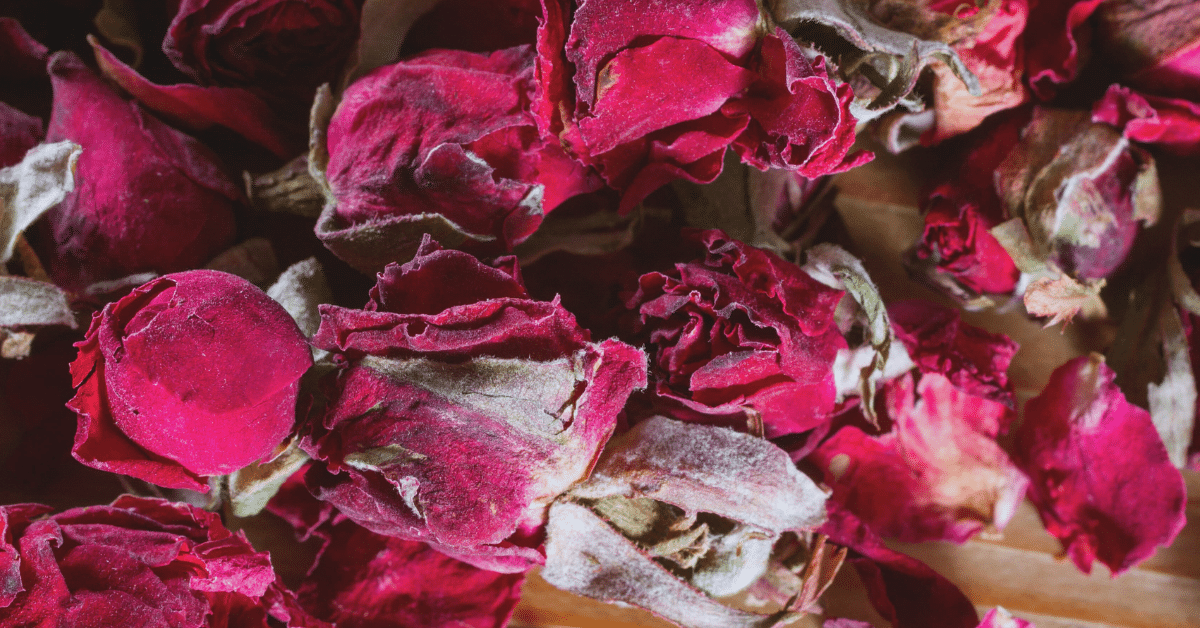
For this recipe, just let the sun do the steeping. 🌞 Steep dried rose petals and fresh mint in a glass jar under direct sunlight for a few hours. (No need to measure perfectly - just add what you’ve got on hand!) Sip room temperature or slightly chilled throughout the day to stay hydrated and soothe Pitta. What do you get? A cooling, heart-opening, Pitta-pacifying potion that’s as beautiful as it is nourishing.⁠
⁠
Here’s a little bit about how these plant allies help support us during the warmer months of the year…⁠
⁠
🌹 Rose - The ultimate flower of the Divine Feminine:⁠
⁠
• Cools the heat of both the body and our emotions (hi, Pitta spiciness 😅)⁠
• Soothes the heart and uplifts mood with its subtle, floral sweetness⁠
• Some studies have demonstrated that rose also has the potential to support the reproductive and nervous systems, and even impact dopamine levels⁠
⁠
🌿 Mint - The crisp, clarifying herb we all need in summer:⁠
⁠
• Helps to clear excess heat and inflammation from the gut and skin⁠
• Stimulates digestion without aggravating Pitta (exactly what we want!)⁠
• Awakens the mind while calming overactive fire in the head + heart 🔥⁠

Sip this floral elixir all day long to stay hydrated, radiant and keep your Pitta chilled out. Your inner fire goddess will thank you. 🧘🏼‍♀️

Continue Reading

Homemade Coconut Yogurt

Blog Featured Image (1200 × 628 px) (1)

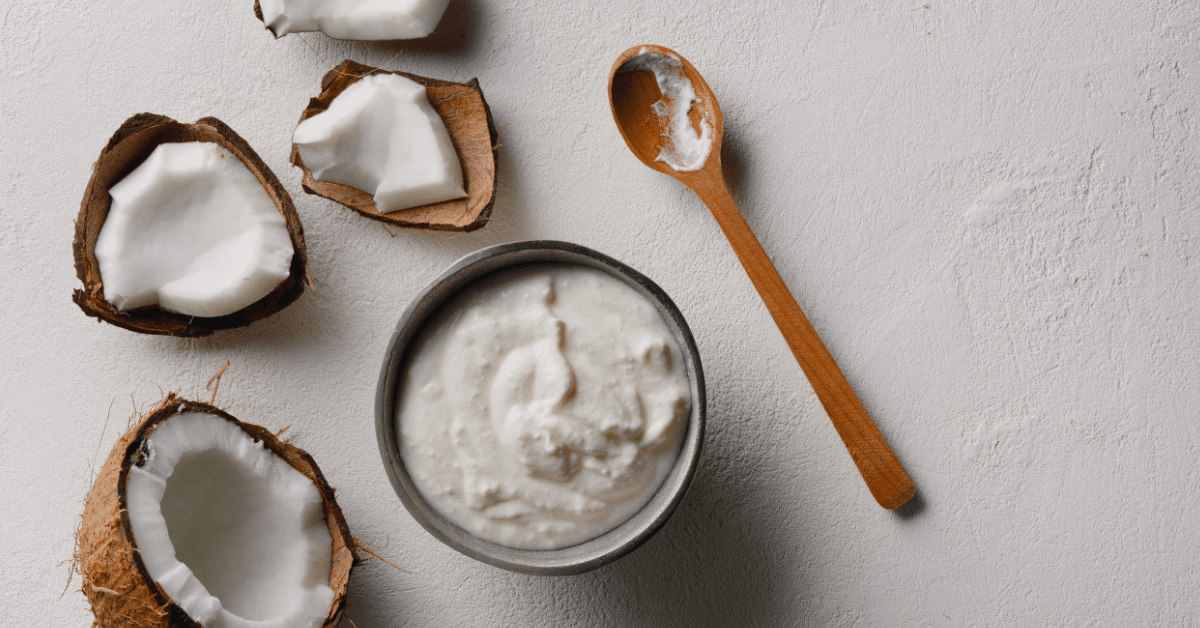
Coconut Yogurt is so delicious and easy to make. It is one of my favorite things to top onto mung daal (if using for savory dishes, exclude the vanilla and maple syrup) or to eat with berries and nuts! Plus, it helps keep the digestive system in check. I especially love it around the early spring/summer months. ⁠
⁠
Add coconut milk, probiotic capsules, vanilla bean and maple syrup to your shopping list—it’s the perfect time to make this cool, sweet recipe! 🥄

Ingredients: 

  • 1 14-ounce can of full fat coconut milk or 1 can of heavy coconut whipping cream
  • 2 capsules of your favorite probiotics
  • 1 tbsp vanilla bean powder
  • 1 tbsp maple syrup (optional)
  • Dash of sea salt

Instructions:

  • Add the coconut milk to a food processor or blender and blend until it is all one consistency. Pour into a glass jar.
  • Empty your probiotic capsules into the yogurt and stir until smooth.
  • Cover the jar with a cheesecloth and a rubber band to secure.
  • Let the yogurt sit on your countertop for at least 24 hours (up to 48 hours is okay).
  • Once the yogurt has reached a thick consistency, add the remaining ingredients and store in the refrigerator. Yogurt will get thicker while it is in the refrigerator as well.
Continue Reading

Holistic Sun Protection and Summer Skincare Tips

This is a picture of a woman in a light white blouse holding her hand up to sheild her face from the sun. It links to a blog post about sun protection and summer skin care tips.

We are entering the late-summer season here in Virginia, and this can be a complicated time for skincare! On one hand, your skin requires more moisture from being dried out due to heat factors, which might also be making you sweat more, which oils up your skin. Throw sun exposure in there and you have a recipe for confusion and potential skin damage.

Don’t let the humidity fool you, even if you live in the tropics, air humidity cannot completely protect your skin from the drying effects of the sun (and the AC). Whatever your skin type, these sun protection and summer skincare protocols will help keep your skin in tip-top shape for the long haul.

Sun Protection From the Inside

Don’t Forget to Drink Water. Skin health starts with deep hydration. 

  • Aim to drink about 2 cups of water an hour. I recommend adding Trace Minerals, electrolytes, or one of these hydrating herbs to your water. These products changed the hydration game for me. 
  • Add a little Aloe Vera juice in the morning to your smoothie or drinking water for more cooling and hydration.
  • Avoiding diuretics like coffee will also help keep you hydrated. If it’s hot outside and the days are long, you might not even need coffee for that morning boost. Experiment with skipping it when the weather is warm. Instead, try drinking an energizing juice with vitamin C to give you a refreshing alkalizing boost in the morning.

Eat for the Sun. Make sure you’re getting Zinc and D3 in your diet. I recommend a liquid D3 supplement under the tongue for maximum absorption. Now you might be thinking: won’t I get vitamin D from the sun? Nope. What we get from the sun are the building blocks so that our body can produce vitamin D. And those special rays that help your body make vitamin D are only out when the sun is at a 30+ degree angle from where you are on Earth. You can use the app DMinder to find out when that vitamin D window is where you are in the world. 

What’s also important to keep in mind is that vitamin D3 offers skin protection and most people are low in Vitamin D3. It’s one of the only vitamins I recommend supplementing with regularly.

Some foods that also provide sun protection from oxidative damage are: polypodium leucotomos (a fern native to South America that you can find in some oral sun supplements), blueberries, carrots, watermelon, aloe, coconut oil, grapes, olive oil, avocados, sweet red peppers, sweet potatoes, sunflower seeds, guava, pomegranate.

Practice. Ayurveda teaches us that when the element of Fire is elevated, like during summer, we not only get physically hot and burnt out, but we’re also prone to heat-based emotions that are intense and sharp, like anger. Sitali breathing is a cooling breath exercise that's perfect for taking it down a notch. Sitala reduces Pitta dosha. I like doing this after a workout while I’m stretching, or when I’m lying down enjoying a face mask.

How to do Sitali Breathing

  • Close your eyes, breathe with awareness in your diaphragm for several minutes, then open the mouth and pucker your lips into an O shape.
  • Curl your tongue lengthwise and project it out of the mouth about 3/4 of an inch.
  • Inhale deeply across the tongue and into the mouth as if drinking through a straw. Notice how your breath feels cooler? Focus on that cool sensation on the tongue.
  • Withdraw the tongue and close the mouth, exhaling completely through the nostrils.
Blog Featured Image (1200 × 628 px) (1) copy

On your Skin

Exfoliate. Powdered coconut milk is a great exfoliant. If your skin is oiler, you can also try chickpea flour, almond flour or powdered honey.

Less is more. Avoid foundation and heavy blush and bronzer if you can, especially if you live in an area that’s already heavy (humid), in addition to being hot. Instead, reach for beautifying serums that have hyaluronic acid, vitamin C and polyphenols. Let your serum dry and then add a lightweight cream or oil. This summer I’ve been using Hanacure’s Nano Emulsion Cream. It’s lightweight enough that it doesn’t clog my pores or cause oiliness, but nourishing enough that it doesn’t leave my skin feeling exposed either. I like layering this under a nice face oil at night.

Cleanse. My skin dries out too easily for me to do mud masks year-round, but when I’m hot, humid and sweaty, my skin actually likes that drying effect that a mud mask provides. Here’s how to do one: Once a week, mix bentonite clay and a little activated charcoal with apple cider vinegar until you get a nice muddy consistency and slather on your face. You can even bring it down your neck and décolleté to your breasts and underarms for a detoxing lymphatic mask. Let it completely dry and then rinse it off in the shower. Follow with a hydrating serum, lightweight cream or nourishing oil.

You can also try our Amalaki summer face mask recipe.

Nourish. My favorite summer oils are Rosehip seed oil and Carrot seed oil because they are light. Carrot seed oil also has the benefit of providing a little sun protection.

Protect. 1) Wear a hat & 2) Find a natural mineral sunscreen with zinc oxide and titanium dioxide. Be mindful not to over use sunscreen because it does reduce your body’s ability to make vitamin D3, which ironically you need for skin sun protection. I only wear sunscreen on places that have the most potential for damage: face, décollete, shoulders, upper arms, back of hands, around armpit and behind knees and elbows. I like using Life Extension Shade Factor Mineral Sunscreen in SPF 30.

Mist. This, hands down, is my favorite thing. Misting your face three to six times a day helps keep your skin moisturized (and is the most overlooked but important skincare routine!) and cools you off. Any natural face mister will work, it just requires purified water. Some have floral essence, aloe vera, essential oils and vitamin E; but unless my skin is burnt, I prefer the plain ones best, like the Evian Facial Spray (the fine mist this one emits is perfect). It’ll make you feel like a bougie old French woman (bonjour!), but a little goes a long way and your skin will show the difference. One bottle of Evian spray lasts me 6 months and I’m never found without one.

We hope you love these skincare and sun protection tips! For more practices, techniques and simple recipes for feeling both beautiful inside and out, check out our virtual Ayurvedic spa day workshop here. 

Continue Reading

Amalaki Summer Face Mask Recipe

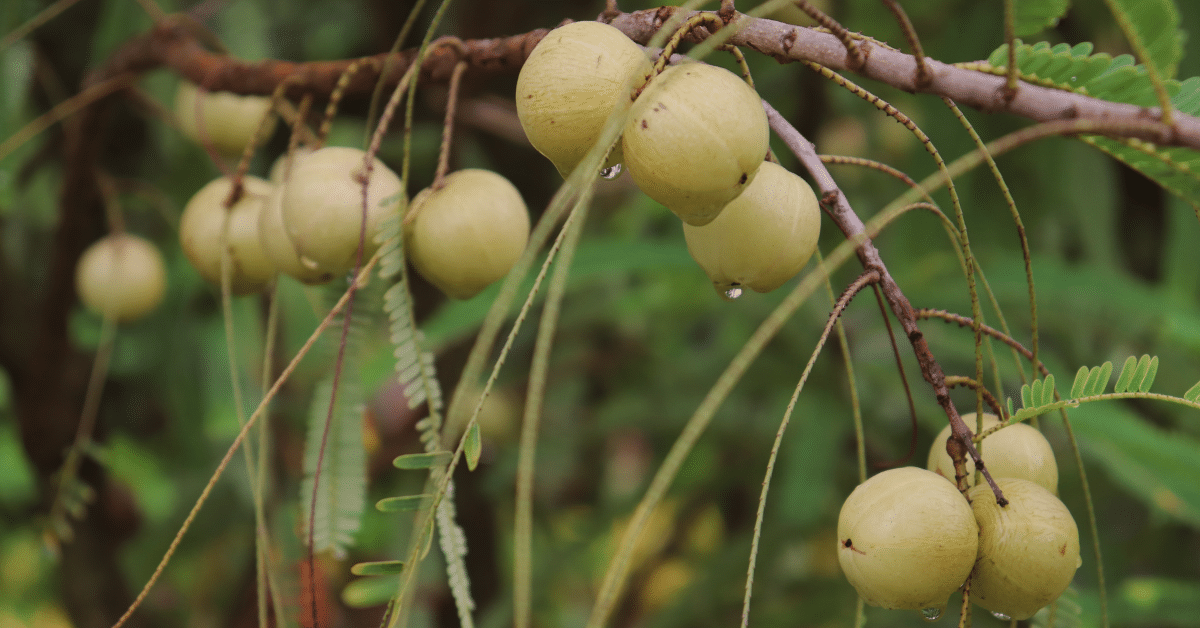
This is a picture of a plant called Amalaki. It links to an Amalaki summer face mask recipe.

Amalaki (aka Indian Gooseberry, aka Amla) is COOLING. It’s great for pitta tendency people who get overly heated (think menstrual-related acne or loose stool), especially this time of year.⁣⁠ Try this Amalaki summer face mask recipe to cool and cleanse your skin during the hot summer months!
⁣⁣⁠
This herb is also a potent external medicine for hair and skin. Amalaki is a well-known rejuvenate as it gently cleanses the colon, beautifies hair and skin and is an all-around tonic for the organs. In India it's known as a super-food, youth-enhancer!⁣ It's also one of the fruits in Ayurveda's digestive formula, Triphala.⁠
⁠
We recommend getting your amalaki powder through Banyan Botanicals who we know and love! Use code KATIES15 for a discount.⁣

Amalaki Summer Face Mask Recipe:

  1. Chop up finely a sprig of washed parsley (the parsley is optional!)
  2. Crush it up in a mortar and pestle until the juice is coming out (the bottom of the clean jar on a chopping board can suffice if you don’t have one).
  3. Add 2 teaspoons of Amalaki (Amla) powder and hot water to make a wet paste with the crushed parsley.
  4. Add a teaspoon of Manuka honey to the still warm mixture and blend them all together into a paste.
  5. The crushed parsley won’t spread consistently but this doesn’t matter as the hot water will have dispersed its compounds into the paste.
  6. You want your face mask to be the consistency of yogurt, easy to spread but not too watery/runny.

Application Instructions:

  • Apply the paste while it's still warm to freshly cleansed, damp skin.
  • Lie down in your room with mask on for 20-30mins.
  • Wash off with warm water and apply your favorite moisturizer!

This summer face mask recipe is great for blemishes but it may dry out your skin if left on too long or if used during dry months or during dry skin cycles. Use this in humid environments, in the high summer season or if you have oily skin.

If you want to take your summer self-care routine to the next level try sipping on a cooling summer herbal tea or our Rose Water Mocktail while mixing up this summer face mask recipe!

Happy at-home Ayurveda facial-ing! 😎

Continue Reading

Herbal Teas for Plump, Hydrated Skin

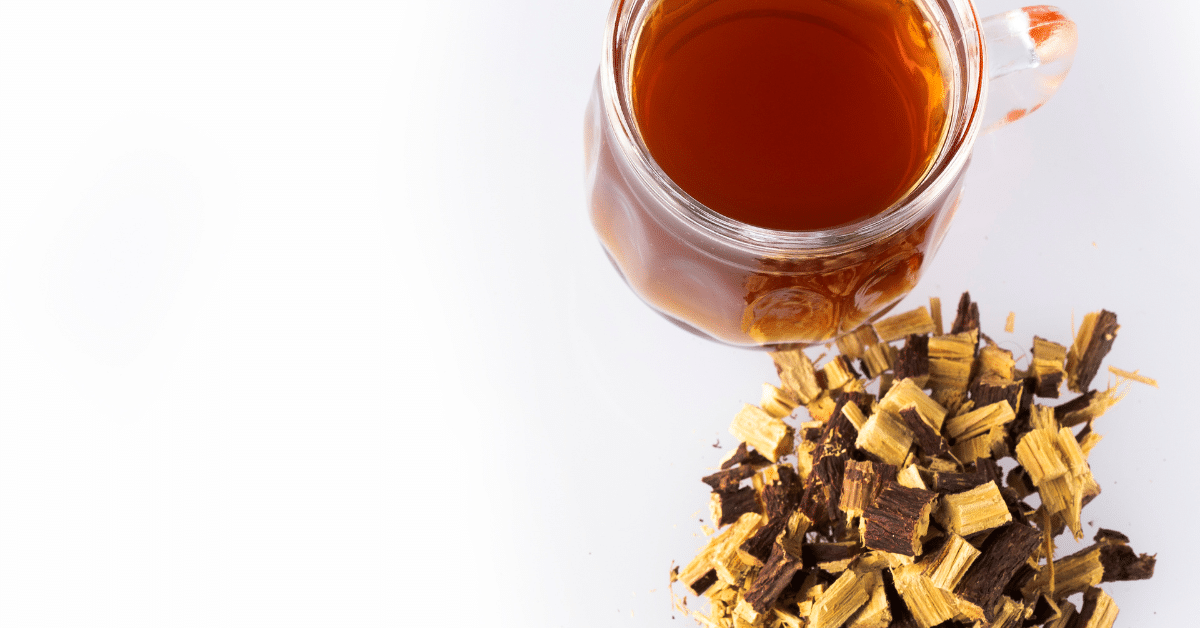
This is a picture of herbs and tea in a class. It links to a blog post about Ayurvedic herbal teas for hydrated skin

Maintaining hydrated skin in the summer (and as we age) is an inside job! However, drinking a ton of water will only do so much if your tissues aren’t actually nourished and rejuvenated from within. The demulcent herbs in these herbal teas actually hold lubricants that will plump up the skin full of water (in a youthfulness-boosting way, not a water retention way!) to give you glowing, hydrated skin! 💦

See below for our favorite demulcent herbal teas for deeply hydrated skin:

❤️ Licorice is an anti-aging, nourishment-boosting, ultimate rejuvenation herb (aka a rasayana). Its sweet, cool, and moisturizing effects help rejuvenate and hydrate all 7 tissues. We use this licorice powder from Banyan Botanicals. You can use code KATIES15 for a special 15% discount on all of Banyan Botanicals' awesome products!

🌹 Rose helps to balance Sadhaka Pitta (one of the Pitta subdoshas), cooling excess heat in the blood before it erupts in our skin and balancing emotions so they don’t disturb our hearts. On those extra hot days, try our cooling Rose Water Mocktail.

🌺 Hibiscus is soothing and purifying. Its sweet, astringent and cooling properties support healthy, hydrated skin and a clear complexion.

🥀 Rose hips are sour, astringent, and warming which helps reduce vata. Rose hips contain many vitamins that make them beneficial for all skin types and are associated with anti-aging. We love these rose petals from our friends at Paavani Ayurveda.

🏵️ Last but not least, marshmallow root helps store water which helps our skin remain plump and lush. It helps rebuild our body’s water element and also boosts our hair’s lustrousness and growth!

Two other great Ayurvedic practices for glowing, hydrated skin are dry brushing and Abhyanga. Both of these practices increase blood and lymph circulation through self-massage. Learn more about these skin-health-boosting practices in our blog post, Why You Should Dry Brush (or do Abhyanga).

Continue Reading

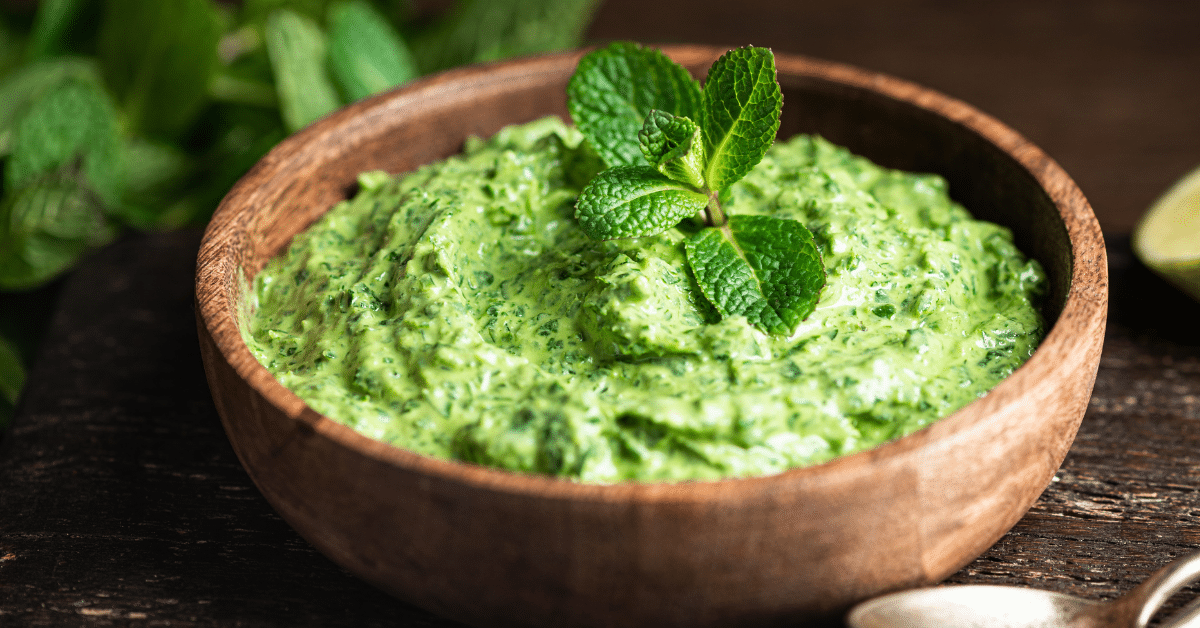
Ayurvedic Mint, Pistachio and Cilantro Chutney Recipe

This is a picture of a bowl of green chutney. It links to a Ayurvedic Mint, Pistachio and Cilantro Chutney recipe blog post.

This Ayurvedic mint, pistachio and cilantro chutney recipe makes a tasty side or topping rich in herbs and spices that support digestion, detoxification and overall health.

Ayurvedic Mint, Pistachio and Cilantro Chutney Recipe

Ingredients:

  • 1 cup fresh cilantro leaves (finely chopped)
  • 1/2 cup fresh mint leaves (finely chopped)
  • 1/4 cup unsalted pistachios (soaked for 1-2 hours)
  • 1 small green chili (optional, adjust to your heat preference)
  • 1 tablespoon fresh ginger (grated)
  • 1/2 teaspoon cumin seeds (lightly roasted)
  • 1/2 teaspoon fennel seeds (optional, for cooling effect)
  • 1 tablespoon lemon or lime juice (freshly squeezed)
  • 1/2 teaspoon rock salt (or to taste)
  • 1/4 teaspoon black salt (optional for a tangy flavor)
  • 1 tablespoon coconut or olive oil (optional for added smoothness)
  • 2-3 tablespoons water (adjust consistency as needed)

Optional Additions to this Ayurvedic Mint, Pistachio and Cilantro Chutney Recipe:

  • 1/4 teaspoon *turmeric powder: Adds anti-inflammatory properties.
  • 1/2 teaspoon jaggery or raw honey: For balancing Vata and Pitta doshas, adds a touch of sweetness.

*Use code KATIES15 for a special 15% discount on all Banyan Botanical products.⁣

Instructions:

  1. Soak the Pistachios: Soak the pistachios in warm water for about 1-2 hours. This makes them easier to blend and helps release their oils.
  2. Toast the Spices (Optional): In a small pan, lightly toast cumin and fennel seeds until fragrant. Allow them to cool slightly.
  3. Blend Ingredients: In a blender or food processor, add soaked pistachios, cilantro, mint, green chili (if using), ginger, roasted cumin, fennel seeds, rock salt, black salt, lemon or lime juice, and turmeric (if using). Blend until smooth. Add water gradually to reach your desired consistency.
  4. Adjust Seasoning: Taste and adjust salt, lemon juice, or jaggery/honey as needed.
  5. Optional Oil: Add coconut or olive oil for a richer texture. Blend again for a few seconds to incorporate.
  6. Serve: Serve fresh with meals or as a dip. Store in an airtight container in the fridge for up to 3 days.

Ayurvedic Considerations for this Ayurvedic Mint, Pistachio and Cilantro Chutney Recipe:

  • Vata Dosha: Reduce green chili and use a small amount of oil and jaggery/honey to ground Vata.
  • Pitta Dosha: Skip or reduce the chili and black salt, use more mint for cooling, and add fennel seeds to soothe Pitta.
  • Kapha Dosha: Skip the oil, use lime juice instead of lemon, and add more chili and ginger for heat and stimulation.

This chutney could be a great addition to an Ayurvedic spring cleanse or our Instant Pot Kitchari.

Enjoy making this flavorful mint, pistachio and cilantro chutney recipe and pairing it with your meals! 🌱

Continue Reading

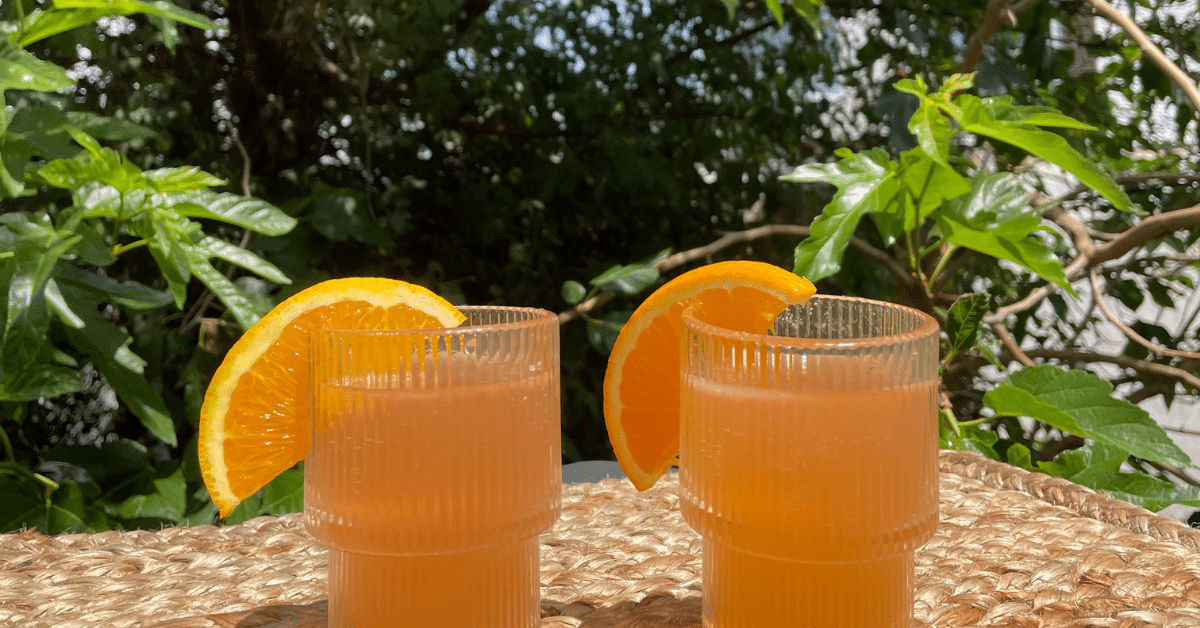
Pitta-Friendly Summer Mocktail ft. Heart-Healing ROSE Water

Blog Featured Image (1200 × 628 px)

Wondering what to sip this summer that’s not going to dampen your agni but that’s still a little indulgent and fun?

(To my down-under ladies, you can enjoy this too, especially if you have more PITTA aka fire in your constitution!)

This cooling, goddess-worthy bev is perfect for when you wanna sip something cooling but still delicious, enjoy a mocktail, or get a hydrating boost on a hot summer afternoon.

The recipe makes 1 so be sure to double or triple if making it for friends 😉

Ingredients to help soothe inner heat while gently supporting agni:

🥀Rose Water

Rosewater is mildly astringent which gives it a cooling property both topically and internally. It’s great for balancing excess heat, aka pitta dosha in the digestive system, helping to aid digestive discomfort, bloating and heartburn.

Plus there’s nothing more nourishing to the subtle heart center than ingesting rose!

(See below on how to whip up your own rose water at home.)

🍋Lemon

If you’re not-so-new to Ayurveda you’ll know that warm lemon water is a key part of a traditional Ayurvedic morning routine—this is because lemon has a powerful agni boosting effect (meaning, it’s a major digestion helper!). Lemon gives our stomach the signal to start creating digestive juices and tells our liver to produce bile, both of which can help ease indigestion.

🍁Maple Syrup

Maple syrup encompasses the “sweet” quality in Ayurveda (plus, it’s derived from actual SAP - ojas boost, anyone?). The sweet taste soothes Pitta and Vata but can be a little aggravating to Kapha, so feel free to sub in some raw honey if you’re dealing with a Kapha imbalance.

Ingredients (makes one serving):

  • 2 tablespoons of rosewater (see how to make your own below or purchase rosewater already made!)
  • Juice from 1/2 lemon
  • 1 tablespoon good quality maple syrup
  • 1 cup plain seltzer (or sub in hibiscus infusion)
  • Optional garnish: cucumber, mint, orange, strawberries, etc.!

Directions:

Step 1. Make the rose water: add 1 teaspoon rose powder to a jar or glass measuring cup. Pour 1 cup boiling water over it. Allow to sit for 30 minutes then strain with a fine mesh strainer.

Step 2. Once cooled, add 2 tablespoons of rosewater into your mocktail glass.

Step 3. Add juice from 1/2 lemon.

Step 4. Add 1 tbsp good quality maple syrup. Stir up ingredients to combine.

Step 5. Top with 1 cup plain seltzer (or alternatively a chilled hibiscus infusion if you want to avoid seltzer!)

Garnish with a few cucumber slices, mint leaves, or orange slices!

Sip and stay cool 😎

Continue Reading

Ep. 182 Hot Girl Summer Self-Care

This is a picture of Katie Silcox. The text reads, "Spirit Sessions: Find your true spiritual home with Katie Silcox."

If you’re feeling hot and bothered this summer you’re not alone! In today’s episode, Kate shares summer self-care practices and Ayurvedic recommendations to keep you cool! In Ayurvedic philosophy, summer is known as the pitta season and is characterized by heat and dryness as the summer wears on. This can lead to excess heat in our bodies and fiery emotions. Tune in to learn Katie’s essential summer self-care practices so you can stay cool and collected this summer!

In this episode, you’ll hear:

~ Katie’s non-negotiable summer self-care practices

~ What is the pitta season?

~ The life-affirming aspects of pitta

~ What does pitta look and feel like when out of balance?

~ Characteristics of people with high pitta dosha

~ Ayurvedic remedies and foods to balance pitta

~ What is the Summer of Love?

~ Using rose in your summer self-care routine

~ Want to learn more about seasonal Ayurvedic living? Click here to learn more about our year-long Ayurveda School. Get $100 off your tuition and a free year of our Spirit Sessions membership and a love-gift from Paavani sent right to your door when you register for Ayurveda School before August 11th with code HGS100 at registration checkout!

Vertical 7 (1)

Other links mentioned in this episode:

~ Ep. 40: To Sunscreen or Not to Sunscreen? How About Natural?

~ Sign up for our free mini-course about Women’s Wisdom and Ayurveda!

~ Follow us on Instagram and Facebook

~ Katie’s latest book, Glow-Worthy is available now!

Or Subscribe on iTunes

Learn more:

  • Ayurveda Certification
  • The Shakti School Subscription

HELP US SPREAD OUR POD WINGS

Did you love this episode about Ayurvedic summer self-care? This show is a passion project that I produce for the love of sharing. If you enjoy this show and want a free and easy way to help it grow, the most effective way you can help is to:

  1. Subscribe to the show by clicking “subscribe” in iTunes
  2. Write us a review in iTunes
  3. Share this show with one friend right now!

It’s seems simple, but you’d be AMAZED to know how much it helps my little love project reach more people. iTunes’ algorithm uses ratings and reviews to know who to show our show to in their app.

Here’s the link to leave us reviews in iTunes.

From my heart to your screen,

Katie

Continue Reading
  • « Go to Previous Page
  • Page 1
  • Page 2
  • Page 3
  • Go to Next Page »

Footer Hero Widget

theshaktischool

TheShaktiSchool

This is me at just a few years shy of 50 years old This is me at just a few years shy of 50 years old. I’ve never been stronger. I’ve never slept this deep. I’ve never liked myself more and appreciated my life more. And guess what? My dreams didn’t all come true. In fact, some of them did and they still didn’t quell the pain and thirst inside me for more. There is absolutely no herb, supplement, injection, diet, shampoo, face cream, red light therapy, or food elimination that really moved the needle for me. The biggest shift towards the healthiest, happiest year of my life was in my mind, emotions and perceptions of reality. What if we all made the commitment that in 2027 we were going to awaken the endogenous chemicals in our body that know how to make us feel strong and happy by starting with our INNER voice and INNER beliefs? In 2026 my whole life burned down, but I made the commitment to maintain my non-negotiables in life. This meant appropriate exercise, my daily meditation, sleep and a wild commitment to always being willing to do the deep shadow work required to AWAKEN. It is my honor to guide you (among with our 25 teachers!) into Shakti’s next year-long spiritual Ayurveda training. Wanna start now for free with me? Comment “LUNCHTIME” to get the link to my Free cooking class next week! I’ll teach you how to make the one meal that I go to when life gets complicated. Xox, kt
My mama Vera has a friend named Martha who once to My mama Vera has a friend named Martha who once told me that her meditation was getting into a hot bubble bath every night, pouring a big glass of Chardonnay and watching TV surrounded by hot, fragrant bubbles.⁠
⁠
I remember thinking, “What? That’s not meditation!”⁠
⁠
And now, well into my forties, the bathtub has become a sacred meditation for me, too. 🛁⁠
⁠
I've joined the ranks of my mother and her bathing (and privileged-to-be-aging) beauties in an absolute CELEBRATION of our baths as something so much more than a tub to scrub clean.⁠
⁠
Think Cleopatra soaking in whole milk, honey and rose petals. 🌹⁠
⁠
For me and Cleo (and probably Martha), bathing has very little to do with just getting our bodies clean. Baths were a place for women to gather, gossip, luxuriate and tend to the sacred business of being alive in a HOT woman's body.⁠
⁠
So, how can we come home to our inner Cleo?⁠
⁠
🌸 Decide to be naked, wet and fabulous.⁠
⁠
🌸 Pour milk, honey and rose essential oil into your bath. Add a little of your favorite organic oil.⁠
⁠
🌸 Get in and massage your body with the oily milkyness. Rest your brain.⁠
⁠
Want more inspo, ma’ queen? Here are a few of my favorite bathing rituals:⁠
⁠
🍯 The Milk & Honey Goddess Bath: Whole milk (or coconut milk), honey, almond or jojoba oil and fresh rose petals for soft, silky, deliciously nourished skin.⁠
⁠
🍌 The Banana Beauty Queen Mask: Mashed banana, honey and full-fat yogurt for a little facial nourishment while you soak.⁠
⁠
🌹 The Ayurvedic Rose & Oat Bath: Ground oats, dried rose petals, coconut milk and honey for those evenings when your whole being is begging for softness.⁠
⁠
Now tell me, what bath rituals am I missing out on from your culture or self-care practices? 💗⁠
Fall and early winter remind us that all of life m Fall and early winter remind us that all of life moves in cycles of creation, dissolution and renewal. The season is windy, emptying, rough and dry. If we are listening, we may feel ourselves naturally releasing what has run its course and making space for what has not yet arrived.⁠
⁠
This is the season for intuition, stillness and the sacred art of dying before beginning again. ⁠
⁠
Our creative life-force asks this of us now: not more striving, but surrender. Through devotion, meditation and the courage to turn inward, we discover that every ending prepares the ground for new life.⁠
⁠
🌬️ Comment ENERGY to get my FREE class, Somatic Ayurveda: Balancing the Nervous System with Ancient Embodiment to learn how to deeply ground and regulate this season.⁠
⁠
Art from⁠
@deltavenus⁠
@wetheurban⁠
@animamundiherbals⁠
@wordsarevibrations
Join Katie Silcox LIVE from her kitchen for a nour Join Katie Silcox LIVE from her kitchen for a nourishing, hands-on introduction to Ayurvedic cooking! ⁠
⁠
In this free, one-hour workshop, Katie will prepare a simple, delicious one-pot meal for the whole family while sharing the ancient wisdom of Ayurvedic nutrition. Discover how everyday cooking can become a practice of mindfulness, nourishment and connection. Plus, how bringing a little more intention into your kitchen can transform the way you care for yourself and those you love.⁠
⁠
Together, we'll explore:⁠
⁠
🍴Ayurvedic cooking and nutrition basics: How digestion, seasonal eating and the qualities of food influence our well-being.⁠
⁠
🍴One-pot nourishment for the whole family: How to create a simple, delicious meal using Ayurvedic principles and everyday ingredients.⁠
⁠
🍴Cooking as a spiritual practice: How chopping vegetables, stirring a pot and preparing food can become acts of mindfulness and meditation.⁠
⁠
🍴Food as medicine: How spices, ingredients and cooking methods can support digestion, balance and vitality.⁠
⁠
🍴Bringing Ayurveda into everyday life: Simple, practical ways to make your kitchen a place of nourishment, presence and connection.⁠
⁠
Link in bio or comment “LUNCHTIME” and we’ll send you the link to sign up directly! ⁠
In North America (and all around the globe) the us In North America (and all around the globe) the use of sweets in celebratory events has been a historical tradition. Though the cultivation of sugar dates back to 8,000 BC, we see the use of sugar in celebratory events as early as 2,400 BC (!) where there is evidence of beekeeping and the collection of honey for honey cakes found at a religious temple near present day Cairo, Egypt. (Hippocrates Health Institute - The Sugar Timeline)⁠
⁠
We also see this in the Hindu/Yoga tradition where bringing sweets to the temple as an offering to the Gods is commonly practiced. Traditionally, before industrial sugar cane manufacturing, sweets were more of a luxury item and were considered “sattvic,” or pure. Of course, this is in reference to sugar in the form of dates and honey which aren’t nearly as taxing on the body as the chemically refined sugar we most commonly use today.⁠
⁠
So, how do we go back to making sugar sacred?⁠
⁠
It all comes back to eating whole foods and preparing food at home. If we all made an effort to only eat sugar when we could prepare our own sweet treats, it would likely lead to much healthier options (no matter if you’re cooking with white sugar or not). ⁠
⁠
If you want your family to be blown away, show up to the holiday dinner party with this amazing (and healthy) pumpkin pie! It’s not going to spike your blood sugar, it’s going to make everyone in the room happy and eating it might even be a sacred act.⁠
⁠
This no-bake pie sweetened with dates and maple syrup is the perfect nourishing dessert to enjoy with those you love. You’re not gonna regret making it. 🥧  And shout out to my sister @marymcquate who inspired us with the recipe. ⁠
⁠
🍁😍 Comment PUMPKIN below and we’ll send you the recipe!

Footer

© 2026 Shakti School

  • FAQ
  • Privacy Policy
  • Terms and Conditions
  • Advocacy
  • Find a Coach
  • Login
  • Katie's Books
  • Contact and Support

Get the Shakti Letter love, katie