• Skip to main content

The Shakti School

Feminine Form Sacred Technology

  • About
  • Blog
  • Glow-Worthy
  • Ayurveda
  • Subscribe
  • Podcast
  • Book a Call
  • Free Course
  •  

Herbs

What Your Gut is Trying to Tell Your Heart

What your gut is trying to tell your heart - Understanding your emotions and what they mean for your health.

Understanding your emotions and what they mean for your health

A gut feeling is an instinctive, intuitive feeling, without any logical rationale. It’s very common to hear people using the saying gut feeling, but on what level do we really understand the connection between the gut and our emotions? How often are you treating your heart’s longings for an issue you may be experiencing in your digestion? With the ongoing amount of research and development on the inner workings of the microbiome, there are hundreds of ways to help to create a healthy gut. Especially when we turn to Ayurveda. Ayurveda is all about healing the digestive system and the practices, dietary guidelines and herbal remedies have been meticulously put together for thousands and thousands of years to do just that, so why doesn’t it always work? 

The digestive system has its own nervous system, called the enteric nervous system. It has over 100 million nerve endings and in many ways, it can control digestion independently without your conscious awareness. The enteric nervous system has been nicknamed our "second brain.” This gut-brain is intimately connected to our "big brain" via a network of nerve pathways and the two nervous systems share many of the same neurotransmitters to facilitate communication. In fact, 95 percent of serotonin is found in the gut! This bidirectional pathway is referred to as the brain-gut axis and involves moment-to-moment communication to control digestion. Loyolamedicine

The gut-brain is intimately connected to our "big brain" via a network of nerve pathways and the two nervous systems share many of the same neurotransmitters to facilitate communication.

The gut-brain communication is so closely linked that when we experience a state of dis-ease, stress, heart ache or any other negative emotion that feeling gets signaled through bidirectional nerve pathways to the gut that then causes an upset or imbalance. In return, if such emotions aren’t addressed the gut can then take on the problem and send its own signal to the brain causing a vicious cycle of imbalance and possibly some unwanted digestive issues. 

So, how do we become more connected to the instinctual and intuitive gut feeling when it comes to the matters of the heart? It starts with getting to your Self and falling in love with your Self. Katie talks a lot about self love (especially in Ayurveda School) and has defined it by how capacious we are at actually liking our funny, quirky, silly little inner child. Self-love happens when we know who she is, how she’s been hurt, and when we are gentle with her through the steps towards healing. 

Self love is also about taking the time to listen and the space to feel. When we don’t give ourselves enough space, solitude, and quiet it’s more difficult to tap into our inner wise woman-- this is the woman who has a healthy gut! Have you ever noticed that when you are relaxed and in a place that makes you happy surrounded by people you feel at ease with (often happens on long vacations) magically your gut issues seem to improve? We are unable to tap into the depths of our wisdom and the place of true self love when we are in a constant state of fight or flight.

Seek out ways to ground yourself. Do the practices that help you feel the most relaxed. Breathe in self love with every breath. Practice daily meditations, affirmations, or prayer. Be in the arms of nature. Do not give up on yourself and stay diligent with monitoring how you speak to your Self. And, consider joining us in Ayurveda School 2022 where we will discuss ALL about the gut, brain, and heart connection and so much more.

Greens for the Gut & Potatoes for the Heart
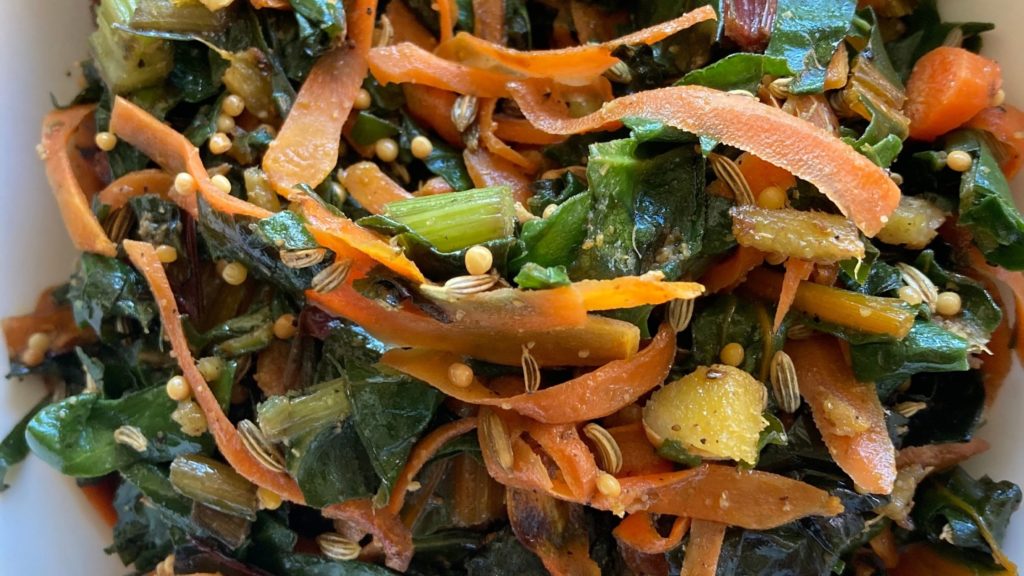
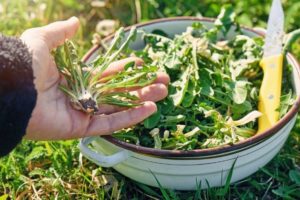
An Ayurvedic Green Recipe for Gut Health.

For the Greens

1 large bunch of dandelion (finely chopped)

1 cup of finely chopped kale (or any other green of your choice)

1 tbsp fresh ginger (diced)

1 tbsp of olive oil or ghee

Salt & pepper to taste

Directions

In a medium sized saute pan over medium heat, add the oil and spices, and let simmer for a few minutes. Next, add the greens and cover with a lid. Let the greens cook for about 15 minutes while periodically stirring and covering with the lid. If the greens are sticking you can add a little water (this will also help to steam the greens). 


For the Potatoes

1 cup of fingerling potatoes (halved)

1 tbsp ghee

1 tsp mustard seeds

1 tsp cumin seeds

1 tbsp rosemary (fresh or dried) 

Salt and pepper to taste

Directions

Add all ingredients to a mixing bowl and mix until the potatoes are completely covered with the oil and spices. Next, transfer to a baking sheet lined with parchment paper and bake for 20 minutes at 400 degrees. (Option to do in a saute pan: follow the same directions as for the greens) 

The greens and potatoes are great on their own, but feel free to top with your favorite protein source to make this a complete meal. 
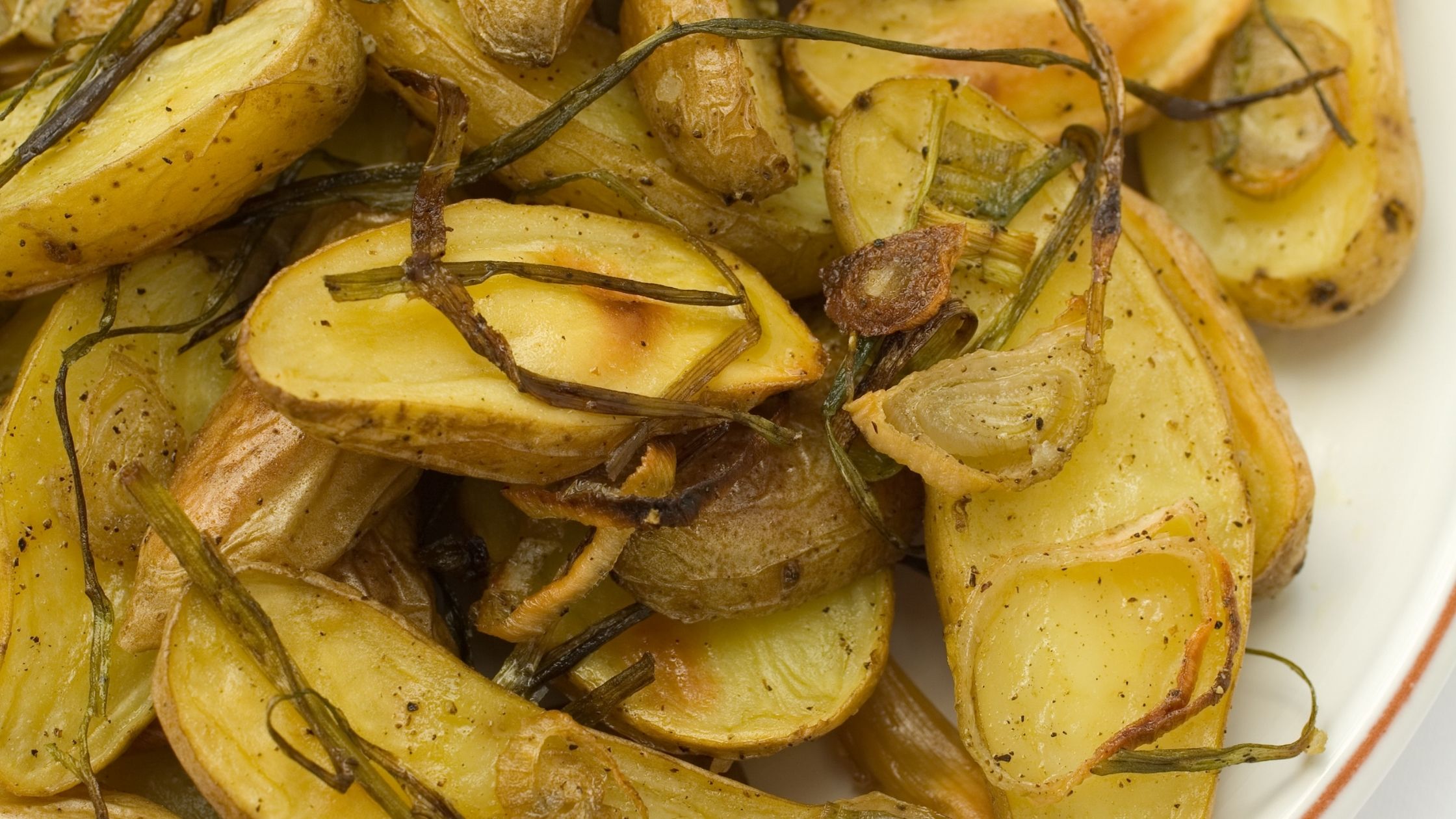
Potato recipe for the hearth.
Continue Reading

The Star of the Weeds: The Dandelion (Recipe!)

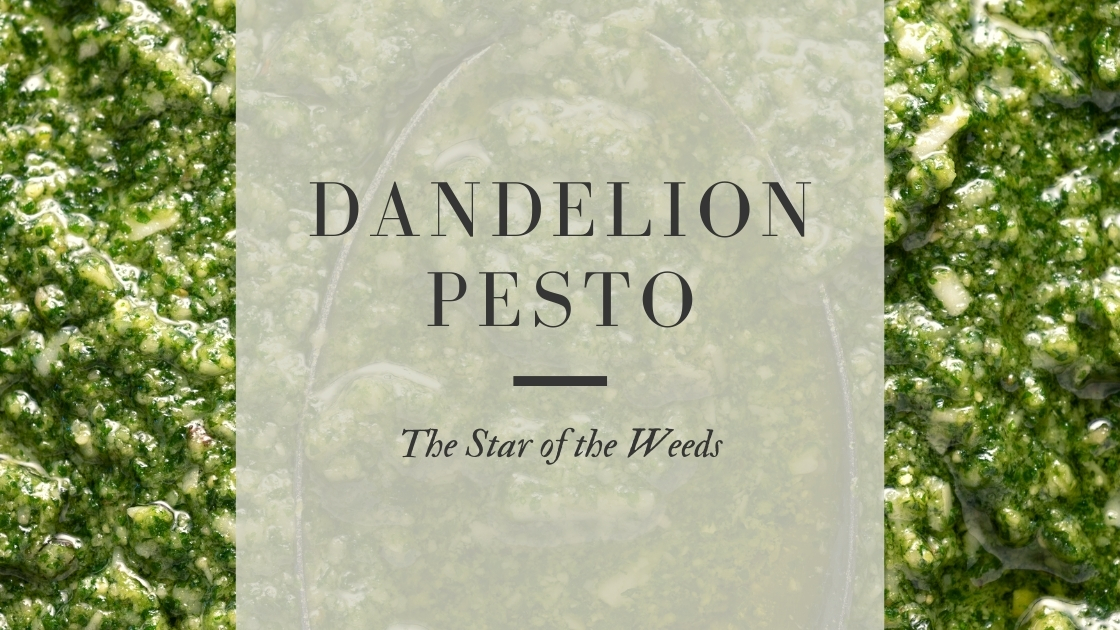
Dandelion Pesto

The Star of the Weeds: The Dandelion

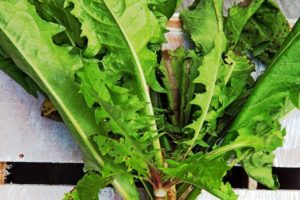
The common weed that often springs up willingly in your lawn or garden, the dandelion, is actually one of the best things you could be eating in addition to all of your other springtime foods. In the plant kingdom the proper terminology for the dandelion is Taraxacum. I like this because it makes me think of the hindu goddess, Tara. Tara is known as one of the wisdom goddesses and is a form of Shakti. Tara, like the goddess Kali, helps to slay all of our inner demons! Like the goddess Tara, the dandelion acts similarly in its ability to remove and clear toxins out of the body. Tara also stems from the root word star which also channels the Dandelion perfectly: the star of all the weeds.

The Dandelion is so incredible because it’s loaded with properties that help to boost your immunity and overall wellness. It’s packed with vitamins (A, B complex, and C) and minerals (iron, potassium, and zinc) and it is because of its tremendous healing properties that it has been used in many and differing ancient medicinal practices as a liver tonic, a digestive tonic, and even a skin tonic. It can also help with water retention with its natural ability to pull fluid from the body.
Benefits of Dandelion

  • Decreases Water Retention and Bloating The dandelion has diuretic properties that help to relieve fluid from the body
  • Detoxes the Liver The polysaccharides in dandelion help to detoxify the liver
  • Blood Detoxifier The vitamins and minerals in the dandelion plant help to filter and cleanse the blood
  • A Powerful Antioxidant with its heavy beta-carotene content
  • Prevents UVB Sun Damage The flower of the Dandelion and the lead actually help with oxidative stress from the sun and can help to reduce aging skin

Dandelion was used for its therapeutic benefits in Native American practices for the skin and the stomach. In Traditional Chinese Medicine it’s used for combating inflammation, stomach ailments, and detoxification. In Ayurveda dandelion is most used in detoxification, liver cleansing, and for kapha dosha imbalances. It is best used in the springtime when excess kapha has accumulated from the winter. 
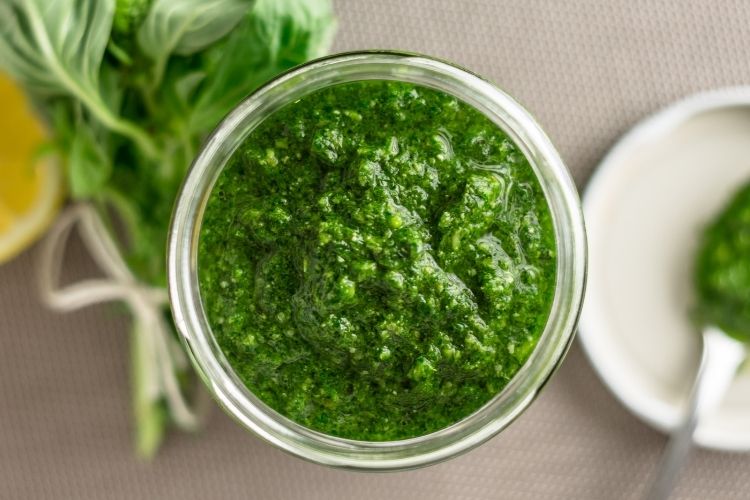
Dandelion is bitter in flavor and can be used in a variety of culinary dishes. It’s so delicious sauteed with a little ghee and spices, brewed as a tea, or (my personal favorite) made into a pesto! Check out this amazing dandelion pesto recipe below. 

Dandelion Pesto

5

Ingredients

  • 2 cups of dandelion (chopped)
  • 1 cup of fresh basil leaves
  • ½ cup pine nuts (or walnuts) 
  • ¼ cup parmesan cheese (grated) 
  • *option to substitute vegan parmesan or nutritional yeast here
  • 2 cloves of garlic 
  • ¼-½ cup of olive oil 
  • Juice from ½ a lemon
  • 1 tsp sea salt 

Directions

Add all ingredients to a high powered blender or food processor *except for the parmesan. Blend until it has reached your desired consistency. Add in the parmesan and blend until it is fully incorporated. 

Add to your favorite pasta dish, salad, or use a dip! 

Resources:

  • https://www.gaiaherbs.com/blogs/herbs/dandelion
  • https://sunwarrior.com/blogs/health-hub/11-health-benefits-of-dandelion-leaves-and-dandelion-root
  • https://www.hindawi.com/journals/omcl/2015/619560/
Continue Reading

Ayurveda in the Spring (antiviral tips included)

Ayurveda in the Spring

The beginning of spring is such a magical time of the year. For many of us there is a feeling of relief having survived another winter when there is less sunshine and blue sky to keep our moods elevated. During this time, most of us are overjoyed with the sight of the newly forming buds, the daffodils poking their heads out, and the return of all the chirping birds.

In Ayurveda this is the time when the water and earth elements are most present. When water and earth come together it can make for some pretty beautiful happenings: the growth of new seedlings, flowers bloom, trees grow and reproduce, ice melts, and rivers flow freely. However, when water and earth combine it also forms mud! This mud, or kaphic overload, can take up space in our physical bodies which can cause some imbalances like lethargy, allergies, congestion, and more mucus. And what’s worse: it's often when we're feeling out of balance that we tend to reach for the things that will further take us out of balance such as overeating, laziness, overconsuming sugar or alcohol, or going down a social media spiral. Here are some things you can do to avoid getting stuck in the mud AND that will be extremely helpful for boosting your immunity.

Practices to Pacify Kapha

  • Wake early
  • Dry Brush
  • Exercise first thing in the morning: take a brisk walk, do some jumping jacks, or go on a short run
  • Keep warm
  • Get an invigorating massage
  • Add stimulating music to your playlist
  • Go out dancing!
  • Laugh and spend time with loved ones

Foods Tips to Pacify Kapha

  • Add foods that are pungent, astringent, and bitter: aloe, nettle, dandelion, quinoa & barley, turmeric, mung beans, mustard greens, lemon, spiced broths
  • Add apple cider vinegar to your foods
  • Consume less meat
  • Avoid dairy
  • Add activating spices like cayenne, ginger, black pepper, and mustard

Herbs & Supplements to Support Immunity, Viral Infections & Decrease Kapha

Herbal Nature Study
  • Mycelized Oil of Oregano (easy absorption)
  • Oil of Oregano
  • Garlic
  • Triphala (KATIES15 promo code)
  • Immune Health NOW (KATIES15 promo code)
  • Wellness Formula
  • Paavani Hydrate Tea (SHAKTIPOWER promo code)
  • Paavani Golden Milk (SHAKTIPOWER promo code)
  • Reishi Mushroom
  • Elderberry
  • Astragalus
  • Milk Thistle
  • Zinc
  • Vitamin D
  • L-Lysine

It’s important to take care of your health at all times, but especially during flu season and other viral epidemics. These foods, supplements, and practices will help to boost your immunity and to ward off viral disease.

Continue Reading

How to Keep a Healthy Belly During the Holidays

The holiday season is a wonderful time, but let’s face it, it can also be super stressful, physically taxing, and can leave us with that post-holiday belly bloat. Ugh !

There is nothing worse than starting the new year with your digestion in a funk. When you’re not able to digest your food you're not able to digest your life either, and when we can’t digest our life things start to get really gunked up. This can lead to a number of problems like disturbed sleep, mood disorders, hormonal imbalances, adrenal fatigue, weight gain, and many other unwanted winter-time stressors.

Copy of finallove2618_0061

So, how do you create EASE during the holidays?!

Stoke that digestive fire (Agni)! Cultivating strong Agni pre-holiday season will have tremendous benefits during the festive season and the months to follow. In order to keep your Agni strong do what you can to create ease on your digestive system and lower the intake of anything that is more toxic or inflammatory. Another key element for maintaining easeful digestion is eliminating any stressors that may be causing adrenal upset. Your adrenal glands play a huge role in regulating your stress levels. They help to regulate your blood sugar, your blood pressure, help you burn fat and protein, and they also determine how you react to stress.

Here are some helpful tips to eliminate stress and help you prepare a strong digestive fire pre-holiday feasting:

*Mung bean cleanse (pre and/or post holiday) - leading up to the holidays (and also after the holidays) can be a great time to eat a more simplified diet. A kitchari (ayurvedic mung bean) cleanse helps to clear away any excess sludge in the body, it strengthens your digestion, and will leave you feeling light and clear as you go into the family and eating frenzy. It’s also an appropriate cleanse to do during the cooler months because you aren’t depriving yourself of foods, but rather eating enough food that is warm, nourishing, AND cleansing. This is also a perfect cleansing protocol to do at any time of the year, especially for the working woman who needs to be fueled throughout the day!  A mung bean cleanse can help to keep your vata balanced and will give you loads of energy for all the events on your holiday calendar.

*Tulsi-Ginger tea - This is a great tea to help keep you calm while also aiding in digestion. Ayurveda’s “Holy Basil” is an all around beautiful tea to soothe your mind, boost your immunity, and calm your belly. I love the addition of ginger in this tea for the added “debloating” effect that it has. Try using this in between meals while you are out of your normal routine and watch how it creates more stability in your mood and in your tummy.

*Float Tank- This could be a hard one to find, but Float Tank spas are popping up all over the place and if you’re lucky there might just be one located near your holiday destination. A float tank is a sensory deprivation tank that is filled with water and epsom salts. It is meant to be a meditative experience helping to reduce external stimulation and create ease on your neurotransmitters. It can be extremely helpful when we are traveling, out of our normal routine, or if we are just looking for a targeted way to unwind. You could even suggest doing this as a family event! If a float tank isn’t available, try adding some time for some sort of mindfulness and meditation practice. This will help you to stay present and enjoy each moment through the holiday season.

*Take a walk with the family before/after meals- The holidays are all about togetherness, but this doesn’t mean that togetherness always has to happen lounging on the couch. Of course wintertime is a great season for rest, but it’s just as important to expose yourself to the elements and move your body as it is to relax. Doing some form of exercise in the open air to fuel your lungs and stretch your body will keep you from sinking into that holiday slump. It’s also a wonderful way to have more intimate moments with the people you love.

*Try to stay away from dairy- It can be difficult to keep to our healthy eating habits when we travel great distances and visit people that may not have our same dietary needs. Please be gentle with yourself no matter what you’re eating (your mind plays a huge role in your digestion). However, if you can limit the amount of dairy you take in this holiday season it will significantly aide your digestive system. Dairy is often overused ingredient in holiday cooking. Even if you normally do okay with dairy, it is still best avoided during the times when excess Kapha can start to clog up your digestive tract. So, maybe this means you politely pass on the heavy whipped cream and gravy.

Or, take your digestive enzyme and choose the dairy dish that you just can’t pass up! 🙂

*Take it easy on the alcohol- I know that alcohol can sometimes help to ease the tension that may come from stressful holiday gatherings, conversations, or family members you don’t quite tolerate as well, but it’s not always the best choice. When misused alcohol can make you feel worse. It also slows down your metabolism and wrecks your digestive fire. If you do decide to drink try to drink moderately, drink lots of water in between, and maybe try adding in some supplements for additional support. Activated coconut charcoal, vitamin C, and digestive enzymes will help aid in your liver’s ability to detoxify the alcohol. It’s also best if you can try to have your last drink earlier in the evening and the next morning add a dash of celtic salt to your water to help replenish any minerals you might have lost.

*Hack your sleep: Getting plenty of rest is so important for the body’s ability to repair itself. This is crucial during the times when we are overloading our system with different foods. It’s not always easy to sleep outside the comforts of your own bed, but I’ve found that earplugs and a face mask can really help in keeping my sleep consistent. Try using some essential oils like lavender, geranium, frankincense, and cypress to lead you into a more restful state. I love adding these essential oils to a carrier oil like sesame or coconut oil for a little self massage pre-bedtime. My favorite oil to use is the Vata Balancing Massage Oil from Banyan Botanical.

*Bring your non-negotiables with you! For me whenever I travel I have to bring a few essential items that I know will help keep me close to my routine and will also help to keep me sane. These items include my morning beverage (right now it’s matcha green tea with oat milk), triphala for healthy digestion, heavy amounts of leafy greens (a green liver powder works great), and my essential oils for body love! I also find it crucial to bring my stash of supplements. I may look a little cookey on the plane, but if it works, it’s coming with!

Supplements We Love

Triphala - Shakti School insiders get 10% off at Banyan! Use promo code SHAKTI10

Oil of Oregano (for immunity)

Maca - Chaste Berry - Ashwagandha powder (healthy hormone balance)

Lipotropic Complex (liver support)

Quinton Water (mineral replenish/post drinking remedy)

Digestive Enzymes 

Thorne Brain and Mitochondria support 

Nordic Naturals DHA Algae 

Thorne Vitamin D3 + K2

Kettle & Fire Bone Broth (digestive aid)


Oils:

Transdermal Samadhi Roll on Set

Banyan Vata Balancing Oil

Essential Oils: Frankincense, Geranium, Lavender, Cypress, and Eucalyptus.

Continue Reading

Balancing Vata for Fall

Blog Thumbnail

As we shift into fall we are leaving the Pitta season and entering into the Vata season.

The Vata element is associated with air and ether. It functions as movement and energy, and seasonally it is the time of year when the atmosphere is dry, cool, and rough (windy).

It is easy to see how Vata presents itself if we look at what is happening in nature (especially those of us that live in a four season climate). The cool air begins to dry the leaves making them brittle and rough and eventually they fall. These qualities translate to our own inner climate as well. Often with the rise of Vata our skin can become more dry and rough, our hair and nails more brittle, and it is not uncommon that our digestion and immunity may suffer. The sometimes erratic nature of the Vata element can also make our minds feel more scattered, disrupt our sleep, and even contribute to unwanted mood swings.

So, how do we avoid the usual struggles of fall? 

Balancing Vata can be simple if we are diligent about balancing our system as a whole. This means we have to look to not only our diet but, exercise, self care and lifestyle habits as well.

Diet:

  • Favor more warm or cooked foods
  • Add more healthy fats like ghee, avocado oil, olive oil, and coconut oil to your dishes
  • Spice things up with more warming spices: black pepper, cumin, ginger, mustard seed, cayenne, and cinnamon
  • Eat more tubers! Pumpkin, beets, Sweet potatoes, and all types of other hardy winter squash
  • Drink more warming teas in between meals
  • Make golden mama milk
  • Add soups or stews into your weekly meal routine

Exercise:

  • Walk more and run less
  • Favor resistance training over cardio loading
  • Gentle yoga and meditation

Self Care:

  • Take a sauna break !
  • Make self oil massage a daily ritual
  • Read a book by the fire

Lifestyle:

  • Wake up and go to bed at the same time every day (vata craves routine for balance)
  • Try not to overdo it with too many social obligations
  • Take more time to pause throughout the day and observe your breath
Continue Reading

The BEST Summer Herb

Amalaki (aka Indian Gooseberry, aka Amla) is COOLING. It’s great for pitta tendency people like me who get overly heated (think menstrual related acne, or loose stool), especially this time of year.

It's one of the fruits in ayurveda's digestive formula Triphala. It's english name is Indian Gooseberry.

But it's also a potent external medicine for hair and skin!! ⠀

You can take amalaki internally. It is a super-well-known rejuvenate as it gently cleanses the colon, beautifies hair and skin and is an all-around tonic for the organs. In India its known as a super-food, youth-enhancer!

It’s also SUPER helpful for blemishes. Scroll down for my summer Amalaki face mask.

➳ You can also use the powders in your smoothies or yogurt. It has a delightful sour taste.

➳ Mix it with coconut oil and use as a hair mask. It makes your hair really shinny and strong. This is so good for pitta hair that’s often very fine and breaks easily. It’s hard to grow out your hair sometimes as a pitta.

➳ Mix it with almond oil to make an anti-aging treatment and soften fine lines. (Amalaki is high in Vit C, which helps build collagen).

➳ Mix Amalaki juice or powder with aloe vera juice for a refreshing facewash.

➳ Banyan Botanicals sources THE BEST amalaki, it’s potent, organic and fair trade. Banyan is supporting farmers in Asia, not just doing business and then peacing out. Use the discount code SHAKTI10 for 10% of your order.

Try this facemask, it will change your skin routine forever!!!!

Amalaki facemask with honey (& optional parsley)

This is a great mask for blemishes but it may dry out your skin if left for too long, or used during dry months, or during dry skin cycles. Use this in humid environments, in the high summer season or if you have oily skin.⠀

➳ Start by chopping up finely a sprig of washed parsley⠀

➳ Crush it up in a mortar and pestle until the juice is coming out (the bottom of the clean jar on a chopping board can suffice if you don’t have one)⠀

➳ Add 2 teaspoons of Amalaki (Amla) powder and hot water to make a wet paste with the crushed parsley⠀

➳ Add a teaspoon of Manuka honey to the still warm mixture and blend them all together into a paste⠀

➳ The crushed parsley won’t spread consistently but this doesn’t matter as the hot water will have dispersed its compounds into the paste⠀

➳ You want your face mask to be the consistency of yogurt – easy to spread but not too watery/runny.⠀

➳ Apply the paste while it's still warm⠀

➳ Wash your face of any dirt or makeup⠀

➳ Apply the paste to damp, clean skin⠀

➳ Lie down in your room with mask on for 20-30mins⠀

➳ Wash off with warm water and apply your favorite moisturizer!⠀

Continue Reading

3 Steps Toward Divine Feminine Ayurveda

A Movement Towards True Ayurveda and Healing

Feminine form Ayurveda is the true Ayurveda of ancient India. You might wonder—what does it mean for something to be the true Ayurveda? There are two answers to that question.

The first is that before India came under British rule, Ayurveda flourished not only as a system of medicine, but as a spiritual practice. Healing was known to be a spiritual affair, medicine and spirit were one. The influence of the West in India changed India’s approach to medicine. The wisdom of Ayurveda was all but lost under British rule. For Ayurveda to have legitimacy as a healing system, it needed to conform to allopathic (Western) medicine’s approach. Thus, it was stripped of its spiritual and feminine roots.

Second, it was the women of India who continued to practice the Ayurveda of pre-colonial times. There are two reasons for this: i) woman had always been the communities’ healers, both in the West and in the East. Their knowledge was passed down orally; and ii) In the age of modernization and patriarchy, women were excluded from the healing arts, medicine became institutionalized and one had to study for many years in order to “practice medicine”. This excluded woman who were mostly kept out of higher education and the sciences.

In the West, the eradication of feminine form healing arts was exhaustive due to the millions of women killed during the witch hunts that cycled through Europe and the Americas. We have of our Indian sisters to thank for keeping the flame of feminine form medicine lit for us.

That is why I refer to feminine form Ayurveda, and why my students have now come to call it Divine Feminine Ayurveda. It’s an approach to health that is radically different from the “traditional medicine” that we are familiar with in the West. It even differs from what Indians of the last few hundred years have known due to the Westernization of Ayurveda in India.

Begin Now: Divine Feminine Ayurveda

1. Intentionally cultivate and expand your community. The human Ātman, soul, desperately wants to be seen. Not necessarily fixed or saved, but simply witnessed and loved unconditionally. Organize a potluck and extend the invitation to your outer circle of acquaintances, plan a community activism meeting and get in the habit of regularly volunteering your time to a nonprofit. Feminine medicine comes through the oral tradition, through community, and through relationships. It’s not entirely taught and learned through a textbook, it’s learned through direct experience and relationship.

2. Honor your desires—spring is when we are intuitively most attuned to our deepest driving desires. We learn Divine Feminine Ayurveda not through the pre-frontal cortex alone, but through the back of the brain and body as well. This is foundational because it means that we first heal ourselves and learn the healing arts through our own practice of self-love and self-healing. It means digesting the material IN and WITH the body, not just the intellect.

There exists a culturally imposed need to be very masculine about our approach to health: What pills, what herbs, what’s wrong with me? With a feminine approach to health, we’re not adding anything, instead we are subtracting what isn’t real anymore, what’s not serving us. Divine Feminine Ayurveda ask us to find the place within our being that is already balanced, that needs nothing else, and begin the process of healing from there first.

A practice to connect with your subconscious self:

For 40 days, first thing every morning, write down your dreams. The more you practice this the more you will remember from your dreams. Our beloved Ayurveda father, Dr. Vasant Lad, explains in our Shakti Ayurveda School textbook: "Dreams are a discharge of the nerve cells, the drainage of incomplete thoughts, actions, and feelings. In a dream, you finish unfinished business and the brain is able to restore order”[1].

According to Ayurveda, dreams are classified as vata, pitta, kapha. Vata dreams are very active, includes: flying, death, autumn and are sometimes fearful; pitta dreams are fiery, includes: feeling of having arrived too late, being embarrassed, problem solving, summer; and kapha dreams are often romantic, includes: doing something slowly, eating, spring or winter.  Dr. Lad says “Classify the dreams, then treat the dosha and you will have good results”.⠀

Many times, studying our dreams gives us a window into the subconscious—our deepest anxieties and dreams.

3. Adaptability as health. The adaptability of our nervous and immune system is directly linked to the strength of our Ojas, the subtle energetic honey of our body. Think of Ojas as your psychophysical container or shield. When Ojas is strong, we have abundant energy, strong immunity and can adapt to the ever-changing circumstances of life with ease.

My go-to super ojas building plant is Shatavari (Asparagus racemosus). It’s a staple in my kitchen and I always recommend a student on the path of Ayurveda befriend this unctuous plant. Shatavari builds the tissues and fluids of the body. It’s a nutritive tonic, powerful adaptogen and a wonderful demulcent for vata-type bodies that struggle to retain water. It’s especially recommended for regulating and rejuvenating the female reproductive system. To stay hydrated, strong and lubricated, use Shatavari to make a tea. Let it steep as long as you like (a whole day even!) and then sip it warm, little by little, throughout the day.

Divine Feminine Ayurveda understands that there is no ideal health. That the mind/body complex is never in perfect balance, but always in flux. When we study Shakti, Life Force, we see that she is always shifting and changing. For that reason, she is not reaching for a standard of perfection, but instead concentrating on her own resources of adaptability. Feminine form medicine understands health as your ability to adapt to the changing environment and circumstances of your life.  Divine Feminine Ayurveda is subtle.

The Laws of Nature

Divine Feminine Ayurveda is the ancient wisdom of the body and the cosmos. It reminds us of what we have forgotten--it asks us to remember, Smarana, our ancient knowing. Divine Feminine Ayurveda is deeply connected to nature. It awakens the deep knowing: You Are Nature. You are Already Connected to Nature.

Our society has confused scientific opinions, social media, and advertising, with the limitless knowledge that lives in our hearts. Instead, feminine form medicine asks us to trust ourselves and our bodies. It’s a practice of radical trust, creativity and insight in ourselves: radical self-sovereignty. It asks us to claim our power, our experience and our understanding of our bodies.

Divine Feminine Ayurveda asks us to trust in OWN bodies, as our bodies contain the intelligence of the cosmos, the intelligence of nature. Nothing external can help us if we are not in conscious communion with our body. It posits that we can find balance through our OWN resources.

Divine Feminine Ayurveda bows to nature as the eternal feminine, the most creative and nourishing channel of this world. It is not static or idealistic. It has no preconceived notions of what our body should look like or our minds should be like. It is not authoritarian structures, it is not statistical averages and standards. It is fluid and adaptable.

With this self-sovereignty and trust in nature, feminine form medicine stresses the importance of asking—What do I need now?

It’s a meditation on self-love as the very first step in healing. It’s a mentorship with Self. We are in a moment of revitalization of the feminine. We are remembering Her and finding the courage to live from the heart. We are awakening the Divine Feminine Ayurveda.


[1] “Chapter Five Dhātus.” Textbook of Ayurveda, by Vasant Lad, Ayurvedic Press, 2002, pp. 161–162.

A version of this article appeared on Banyan Botanicals blog on June 20, 2018.

Continue Reading

Sister Sciences in the Vedic Tradition

Ayurveda is a complex and ancient system of well-being, and just as Western medicine is based on biology and other sciences that can take a lifetime to understand, Ayurveda has many foundational concepts and tenets that you can explore and deepen your understanding of for years and years.

For our purposes, there are some basic principles that we’ll start with, so you have a clearer grasp of Ayurveda’s view of the universe—both macro and micro—and our relationship to it and each other. These basic tenets of Ayurveda are really a jumping off point both for beginning to introduce Ayurvedic ideas into your everyday life and for further study, should you wish to do so, of the deeper philosophies of Ayurveda.

If you have a yoga practice, you can also look at this Ayurvedic foundation as a way to deepen that practice. The mat-based poses many of us would refer to as “yoga” encompass just the tip of the iceberg that is the broader Vedic tradition. A part of this breadth is Ayurveda, yoga’s forgotten, but incredibly important sister science.

Think of yoga and Ayurveda as two interrelated branches of the same massive tree of Vedic knowledge, each playing its own role in your journey towards health, happiness and vitality. While yoga typically deals with the use of techniques such as asana (postures), mantras (sacred transformational sounds), and pranayama (the management of energy), Ayurveda deals with reducing disease and healing the body and mind.

Yoga supports your health, and living an Ayurvedic lifestyle supports your spiritual journey. While yoga supports healing, it is the ancient art of Ayurveda that teaches us how to heal.

~Katie

Read more in Healthy, Happy, Sexy!

Photos by Naomi Huober

Continue Reading
  • « Go to Previous Page
  • Page 1
  • Page 2
  • Page 3
  • Page 4
  • Page 5
  • Go to Next Page »

Footer Hero Widget

theshaktischool

TheShaktiSchool

What if your shower became your favorite healing r What if your shower became your favorite healing ritual this summer?⁠
⁠
Join bestselling author and Ayurveda teacher, Katie Silcox, for a FREE online workshop where you'll learn how to create luxurious Ayurvedic body treatments using simple ingredients from your own kitchen.⁠
⁠
In this free class, you'll learn:⁠
⁠
🥥 DIY coconut, salt, sugar and herbal body scrubs⁠
🌸 Cooling rituals for summer heat and burnout⁠
✨ Lymphatic practices for glowing skin and circulation⁠
🍊 Kitchen beauty recipes for radiant skin naturally⁠
💆‍♀️ Self-massage techniques that nourish body and mind⁠
🪻 Katie's signature guided meditation for deep restoration⁠
⁠
You'll leave with easy recipes and rituals to help you Lay Low & Glow all summer long.⁠
⁠
📅 Thursday, July 16 | 12–1pm US Eastern Time⁠
⁠
Can't attend live? Register anyway and we'll send you the recording.⁠
⁠
🥒 Comment LAB below to save your spot right now.
The hottest thing you can do this summer is regula The hottest thing you can do this summer is regulate your nervous system. 🌸💦

We’re making this the season of cooling rituals, rose tea, afternoon shade, deep rest, happy hormones and protecting our peace like it’s a full-time job. Because glowing comes naturally when you’re not constantly putting out fires. 

Which meme, word or anchor are you claiming as your summer energy? Drop it below. 👇🏼

🥥 Our Hot Girl Summer Bonus is available through August 1st, and includes $100 off, a Paavani Pitta Sampler Kit, a Year of Spirit Sessions, and our Summer Recipe E-Book. 

Just use the code HGS100 when you register for 2027 Shakti Ayurveda School (applies to Level 1 and Level 2!). Don’t miss out! Claim your YEAR of Lay Low & Glow now. 

🍉 Comment AYURVEDASCHOOL below to learn more!

Meme reposts from
@rootandbones
@noalynnesutherland
One of the simplest ways to support ourselves thro One of the simplest ways to support ourselves through the warmth of summer is by slowing down enough to enjoy small rituals.

In Ayurveda, summer is associated with pitta dosha, which carries qualities of heat, intensity and sharpness. During this season, we often benefit from incorporating cooling foods, herbs and practices that help us feel refreshed and balanced.

This Rose Mint Sun Tea is one of our favorite ways to stay hydrated while embracing the sweetness of the season.

For this recipe, just let the sun do the steeping. 

Steep dried rose petals and fresh mint in a glass jar under direct sunlight for a few hours. (No need to measure perfectly - just add what you’ve got on hand!) Sip room temperature or slightly chilled throughout the day to stay hydrated and soothe Pitta.

🌹 Rose Mint Sun Tea

Ingredients
• Fresh mint leaves
• Dried rose petals
• Filtered water
• Optional: sliced cucumber, lemon, or a touch of honey

Directions
1. Add herbs to a glass jar filled with filtered water.
2. Allow the tea to infuse in the sun for 2–4 hours.
3. Strain and serve over ice.
4. Sip slowly and enjoy.

Sometimes wellness isn’t about adding more to our already full lives. Sometimes it’s simply pausing long enough to enjoy a beautiful cup of tea.

May this small ritual bring some chill to your pitta on warm days ahead. 🌞
When our desires are not connected to God, it lead When our desires are not connected to God, it leads to grasping. And grasping can lead to obsession, addiction, compulsion and unhealthy attachments.⁠
⁠
When we let ourselves FEEL where our deeper longings are coming from, and we bring in the healing light of our attention and our awareness, we get more clarity on what we really want.⁠
⁠
From a tantric perspective, underneath every obsession, there's energy. Underneath longing, desire and fantasy, there's this deep need for belonging. Underneath all of that craving there is energy, vitality and aliveness. ⁠
⁠
In the latest episode of Spirit Sessions Podcast, we’re diving deeper into longing, attachment and craving.⁠
⁠
We’ll explore the psychology and ancient spiritual wisdom around limerence - a state of infatuation with a person or idea, looking at how dopamine, social media and the search for external validation often keep us caught in cycles of unfulfilled longing. ⁠
⁠
In this episode, you’ll hear:⁠
⁠
~ What is limerence?⁠
~ The difference between infatuation and love⁠
~ What’s going on in the brain when we’re in a state of limerence?⁠
~ How to tell if you’re in a limerence relationship⁠
~ What do the ancient Buddhist and Tantric texts say on this topic?⁠
~ The “hungry ghost”⁠
~ Breadcrumbing⁠
~ Anticipation vs. actual pleasure⁠
~ How social media and advertisers use hypnosis⁠
~ The Ayurvedic concept of Kāma⁠
~ Making choices from a place of clarity⁠
~ The deep spiritual opportunity limerence offers⁠
⁠
🎧 Listen now—comment 246 below for the link to the episode.⁠
⁠
And if these teachings are resonating with you, spend the next year with us learning Ayurveda in a way that's feminine, embodied and deeply heart-transforming.⁠
⁠
Sign up for 2027 Level 1 or Level 2 Ayurveda School before August 1st and you'll receive our Hot Girl Summer bonus: $100 off, a Paavani Pitta Sampler Kit, a Year of Spirit Sessions, and my Summer Recipe E-Book Mixtape.⁠
⁠
Just use code HGS100 at registration check out to receive the discount and ALL the gifts! ⁠
⁠
🌸 Comment AYURVEDASCHOOL below to register now.
There is something profoundly healing about being There is something profoundly healing about being around friends who celebrate your growth, reflect back your gifts and remind you who you are when you’ve forgotten for a minute. This is the medicine of sisterhood. 

The Shakti School has always been more than a certification to me - it’s women across the world becoming lifelong mirrors, cheerleaders and soul family for one another. And I think that kind of support changes lives. 💖

Ready to step into that energy for 2027? The doors for Level 1 Shakti Ayurveda School are officially open for early bird enrollment. 🔥

🌹 Comment AYURVEDASCHOOL to learn more and say YES to making 2027 your year—when you register for L1 or L2 before August 1st, you’ll get all of our Hot Girl Summer Bonus gifts and $100 off!

🌸 Want to get a taste? Comment WISDOM to get our free Women’s Wisdom and Ayurveda course and start learning right now.

Footer

© 2026 Shakti School

  • FAQ
  • Privacy Policy
  • Terms and Conditions
  • Advocacy
  • Find a Coach
  • Login
  • Katie's Books
  • Contact and Support

Get the Shakti Letter love, katie