• Skip to main content

The Shakti School

Feminine Form Sacred Technology

  • About
  • Blog
  • Glow-Worthy
  • Ayurveda
  • Subscribe
  • Podcast
  • Book a Call
  • Free Course
  •  

Herbs

Rose + Mint Sun Tea

Blog Featured Image (1200 × 628 px) (1)

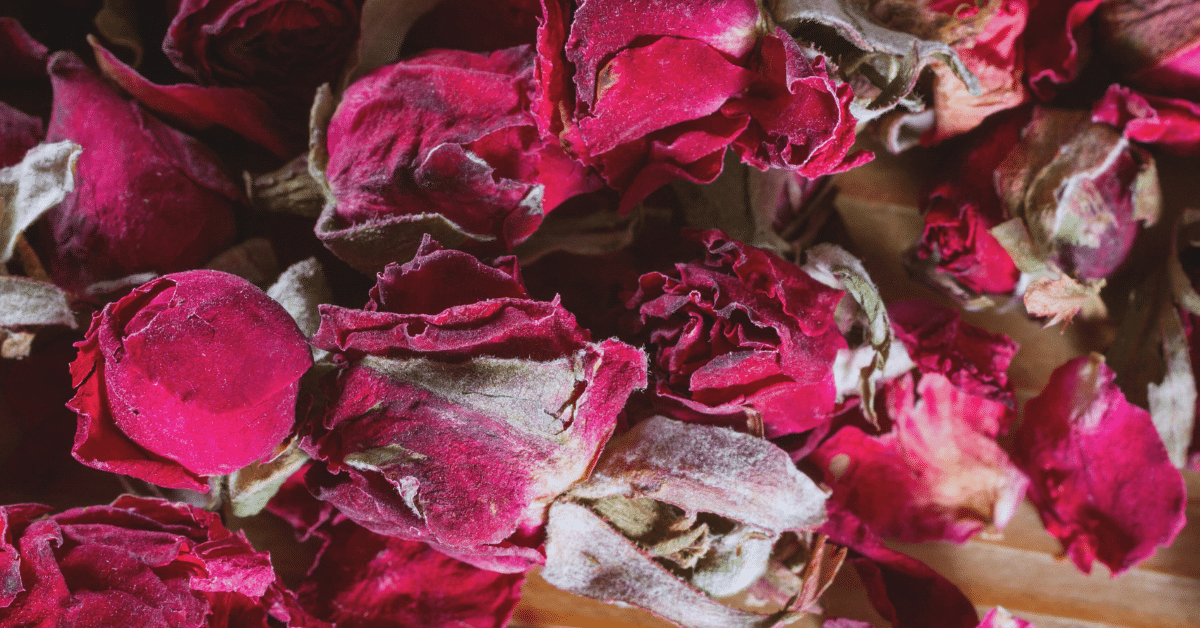
For this recipe, just let the sun do the steeping. 🌞 Steep dried rose petals and fresh mint in a glass jar under direct sunlight for a few hours. (No need to measure perfectly - just add what you’ve got on hand!) Sip room temperature or slightly chilled throughout the day to stay hydrated and soothe Pitta. What do you get? A cooling, heart-opening, Pitta-pacifying potion that’s as beautiful as it is nourishing.⁠
⁠
Here’s a little bit about how these plant allies help support us during the warmer months of the year…⁠
⁠
🌹 Rose - The ultimate flower of the Divine Feminine:⁠
⁠
• Cools the heat of both the body and our emotions (hi, Pitta spiciness 😅)⁠
• Soothes the heart and uplifts mood with its subtle, floral sweetness⁠
• Some studies have demonstrated that rose also has the potential to support the reproductive and nervous systems, and even impact dopamine levels⁠
⁠
🌿 Mint - The crisp, clarifying herb we all need in summer:⁠
⁠
• Helps to clear excess heat and inflammation from the gut and skin⁠
• Stimulates digestion without aggravating Pitta (exactly what we want!)⁠
• Awakens the mind while calming overactive fire in the head + heart 🔥⁠

Sip this floral elixir all day long to stay hydrated, radiant and keep your Pitta chilled out. Your inner fire goddess will thank you. 🧘🏼‍♀️

Continue Reading

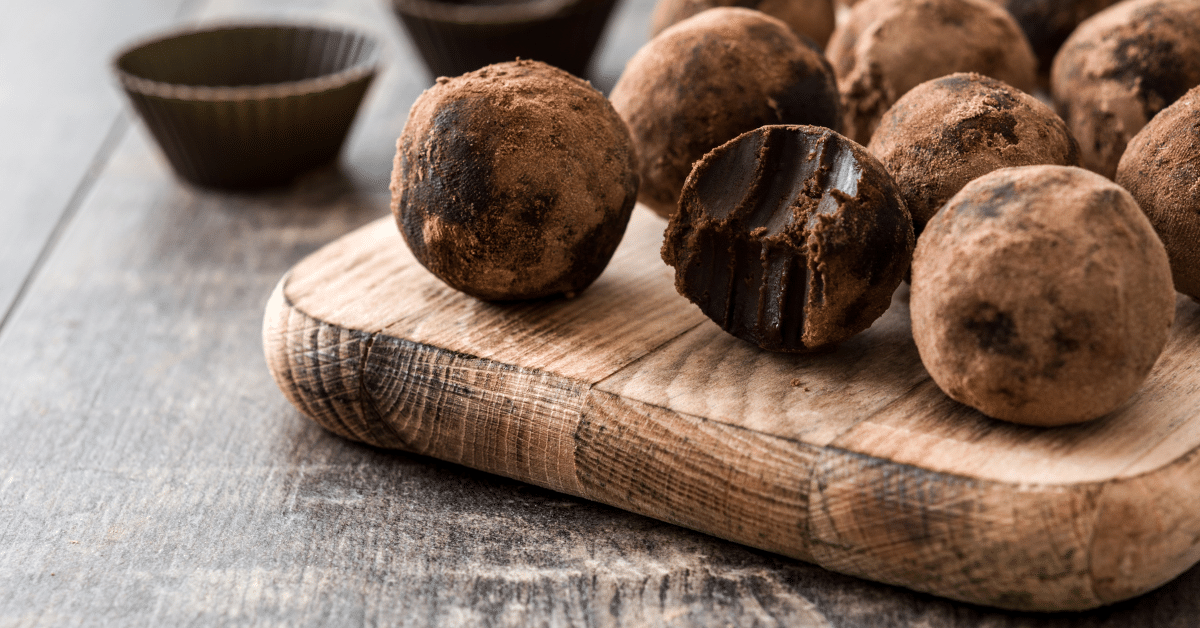
Chocolate Truffles

Blog Featured Image (1200 × 628 px) (1)

Ingredients:

  • 1 cup cup peanut or almond butter
  • 2 tbsp ghee
  • 1/2 cup coconut cream (cream only) 
  • 1 cup cocoa powder
  • 1/4 tsp vanilla
  • 2 tbsp maple syrup
  • 1/4 tsp sea salt
  • ¼ tsp ashwagandha (optional)

Directions:

In a saute pan, melt the ghee, coconut cream, and nut butter over low heat. Pour into a bowl with the remaining ingredients. Transfer to the refrigerator and let cool for about an hour. After the chocolate has cooled, roll into balls and place on a plate with parchment paper. You can get creative here: roll the balls into coconut flakes, rose powder, or whatever you feel called to! 🍫

Continue Reading

Ep. 193 Triphala: The #1 Ayurvedic Herb I Keep Coming Back To

This is a picture of Katie Silcox. The text reads, "Spirit Sessions: Find your true spiritual home with Katie Silcox."

In many regions of India, the herb triphala is considered a cure-all! Scientific studies have shown that triphala can help improve digestion, reduce inflammation, stabilize blood sugar levels, support liver heath and much more. It’s no surprise that triphala is Katie’s favorite Ayurvedic herb!

Tune in to learn about the benefits of triphala and how to incorporate this powerful herb into your life!

Wondering where to get your triphala? Our girlfriends over at PAAVANI Ayurveda have everything you need to help integrate Ayurvedic wisdom seamlessly into your day! From a wonderful Triphala churna, to dosha-specific spice blends, to abhyanga oils, PAAVANI has something for everyone this fall.

Use the discount code SpiritSessions for 10% off your order at paavaniayurveda.com!

In this episode about triphala, you’ll hear:

~ There’s less than a week left to get Early Bird pricing on our year-long Divine Feminine Ayurveda School! Register here before October 31, 2024, to save $500 on tuition!

~ Join us for a FREE online Sacred Halloween Ceremony on October 31st! Sign up here!

~ What is triphala?

~ Why this herb is so important in India

~ The benefits of triphala

~ Haritaki, amalaki and bibhitaki

~ The mythology of triphala

~ Traditional uses in India

~ Triphala’s action on each dosha - vata, pitta, kapha

~ The six tastes in Ayurveda

~ Why this herb is excellent for those who love to travel

~ Where to buy high-quality triphala… from our friends at PAAVANI!

Other resources mentioned in this episode:

~ Sign up for our free mini-course about Women’s Wisdom and Ayurveda!

~ Follow us on Instagram and Facebook

Or Subscribe on iTunes

Learn more:

  • Ayurveda Certification
  • The Shakti School Subscription

Help Us Spread Our Pod Wings!

Did you love learning about the deeper meaning of Tantra? This show is a passion project that I produce for the love of sharing. If you enjoy this show and want a free and easy way to help it grow, the most effective way you can help is to:

  1. Subscribe to the show by clicking “subscribe” in iTunes
  2. Write us a review in iTunes
  3. Share this show with one friend right now!

It’s seems simple, but you’d be AMAZED to know how much it helps my little love project reach more people. iTunes’ algorithm uses ratings and reviews to know who to show our show to in their app.

Here’s the link to leave us reviews in iTunes.

From my heart to yours,

Katie

Continue Reading

Amalaki Summer Face Mask Recipe

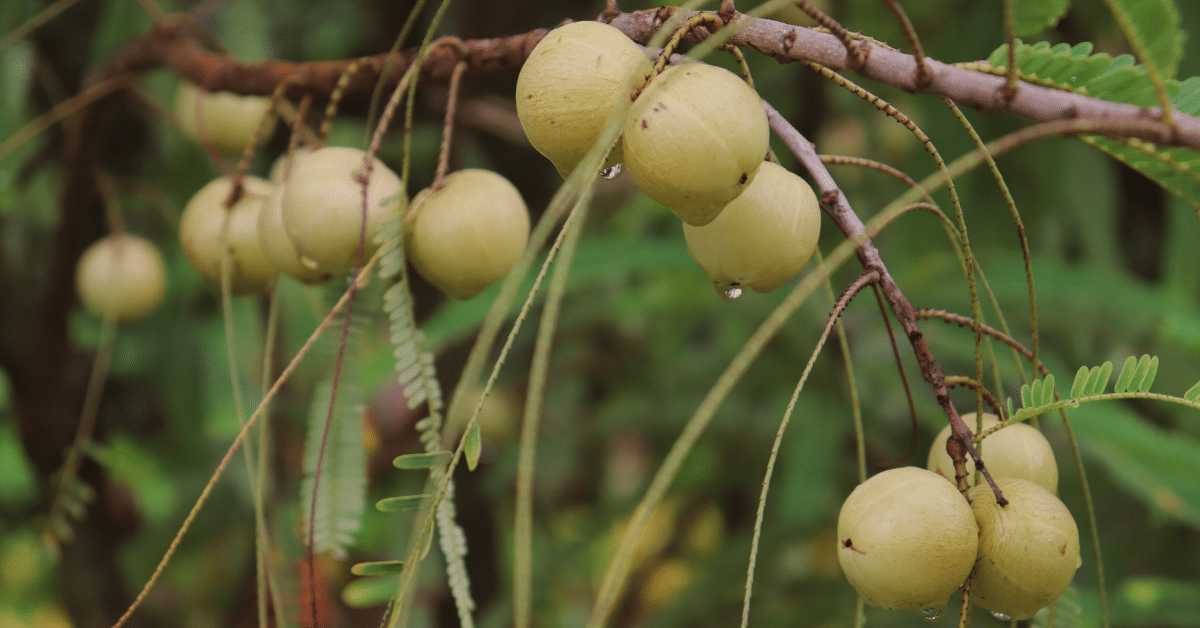
This is a picture of a plant called Amalaki. It links to an Amalaki summer face mask recipe.

Amalaki (aka Indian Gooseberry, aka Amla) is COOLING. It’s great for pitta tendency people who get overly heated (think menstrual-related acne or loose stool), especially this time of year.⁣⁠ Try this Amalaki summer face mask recipe to cool and cleanse your skin during the hot summer months!
⁣⁣⁠
This herb is also a potent external medicine for hair and skin. Amalaki is a well-known rejuvenate as it gently cleanses the colon, beautifies hair and skin and is an all-around tonic for the organs. In India it's known as a super-food, youth-enhancer!⁣ It's also one of the fruits in Ayurveda's digestive formula, Triphala.⁠
⁠
We recommend getting your amalaki powder through Banyan Botanicals who we know and love! Use code KATIES15 for a discount.⁣

Amalaki Summer Face Mask Recipe:

  1. Chop up finely a sprig of washed parsley (the parsley is optional!)
  2. Crush it up in a mortar and pestle until the juice is coming out (the bottom of the clean jar on a chopping board can suffice if you don’t have one).
  3. Add 2 teaspoons of Amalaki (Amla) powder and hot water to make a wet paste with the crushed parsley.
  4. Add a teaspoon of Manuka honey to the still warm mixture and blend them all together into a paste.
  5. The crushed parsley won’t spread consistently but this doesn’t matter as the hot water will have dispersed its compounds into the paste.
  6. You want your face mask to be the consistency of yogurt, easy to spread but not too watery/runny.

Application Instructions:

  • Apply the paste while it's still warm to freshly cleansed, damp skin.
  • Lie down in your room with mask on for 20-30mins.
  • Wash off with warm water and apply your favorite moisturizer!

This summer face mask recipe is great for blemishes but it may dry out your skin if left on too long or if used during dry months or during dry skin cycles. Use this in humid environments, in the high summer season or if you have oily skin.

If you want to take your summer self-care routine to the next level try sipping on a cooling summer herbal tea or our Rose Water Mocktail while mixing up this summer face mask recipe!

Happy at-home Ayurveda facial-ing! 😎

Continue Reading

Herbal Teas for Plump, Hydrated Skin

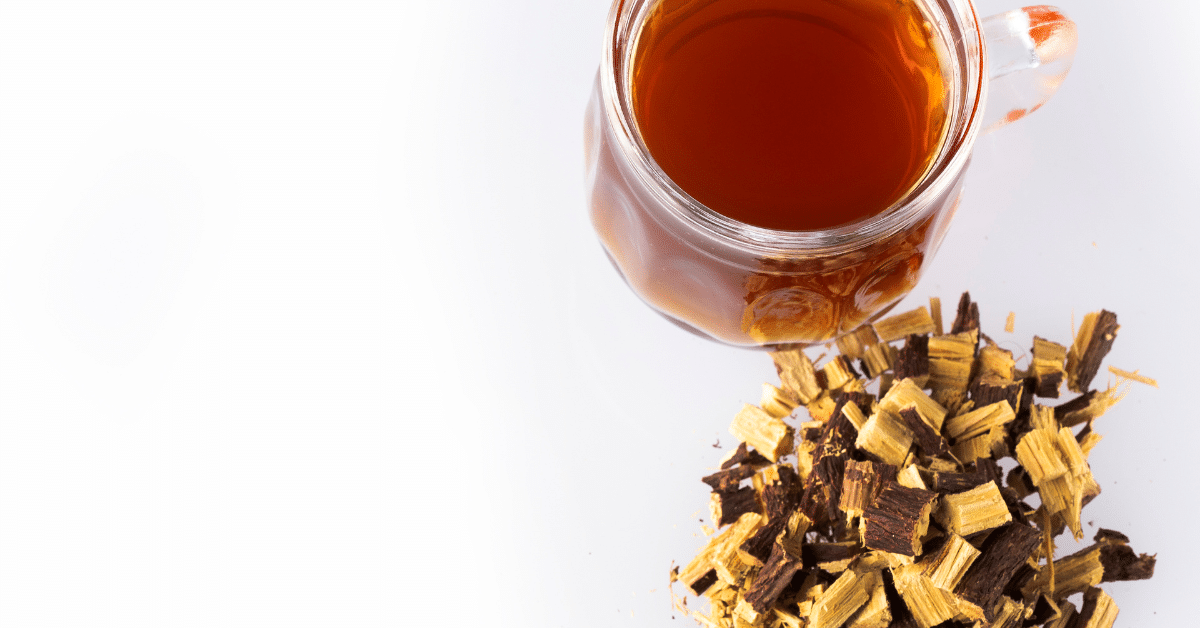
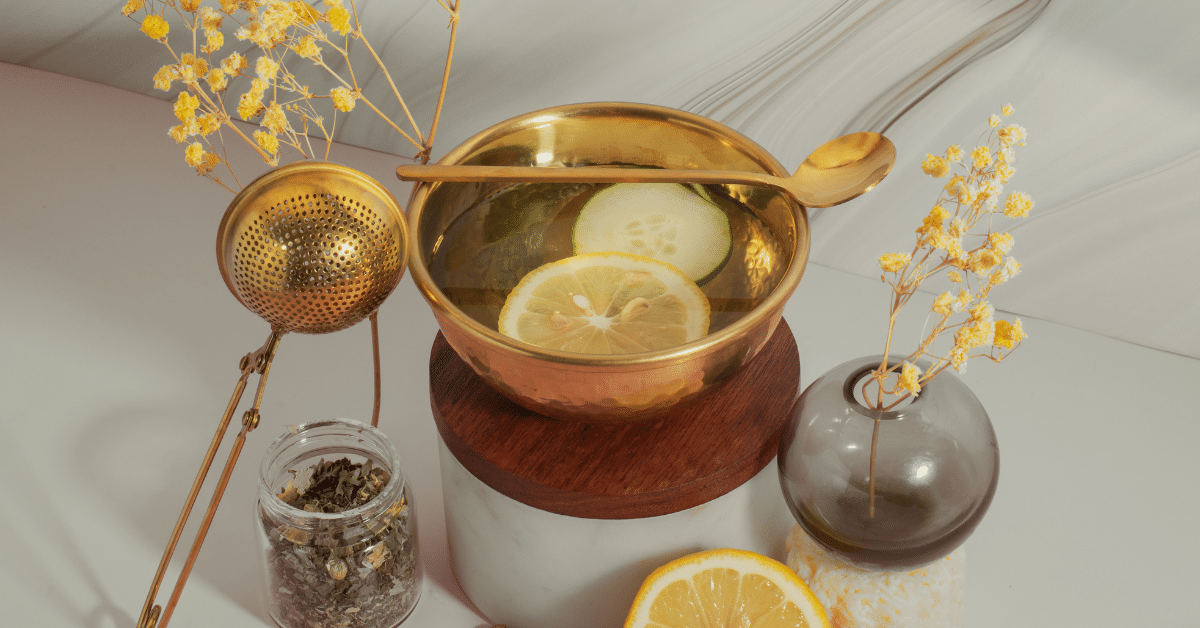
This is a picture of herbs and tea in a class. It links to a blog post about Ayurvedic herbal teas for hydrated skin

Maintaining hydrated skin in the summer (and as we age) is an inside job! However, drinking a ton of water will only do so much if your tissues aren’t actually nourished and rejuvenated from within. The demulcent herbs in these herbal teas actually hold lubricants that will plump up the skin full of water (in a youthfulness-boosting way, not a water retention way!) to give you glowing, hydrated skin! 💦

See below for our favorite demulcent herbal teas for deeply hydrated skin:

❤️ Licorice is an anti-aging, nourishment-boosting, ultimate rejuvenation herb (aka a rasayana). Its sweet, cool, and moisturizing effects help rejuvenate and hydrate all 7 tissues. We use this licorice power from Banyan Botanicals. You can use code KATIES15 for a special 15% discount on all of Banyan Botanicals' awesome products!

🌹 Rose helps to balance Sadhaka Pitta (one of the Pitta subdoshas), cooling excess heat in the blood before it erupts in our skin and balancing emotions so they don’t disturb our hearts. On those extra hot days, try our cooling Rose Water Mocktail.

🌺 Hibiscus is soothing and purifying. Its sweet, astringent and cooling properties support healthy, hydrated skin and a clear complexion.

🥀 Rose hips are sour, astringent, and warming which helps reduce vata. Rose hips contain many vitamins that make them beneficial for all skin types and are associated with anti-aging. We love these rose petals from our friends at Paavani Ayurveda.

🏵️ Last but not least, marshmallow root helps store water which helps our skin remain plump and lush. It helps rebuild our body’s water element and also boosts our hair’s lustrousness and growth!

Two other great Ayurvedic practices for glowing, hydrated skin are dry brushing and Abhyanga. Both of these practices increase blood and lymph circulation through self-massage. Learn more about these skin-health-boosting practices in our blog post, Why You Should Dry Brush (or do Abhyanga).

Continue Reading

Ayurvedic Mint, Pistachio and Cilantro Chutney Recipe

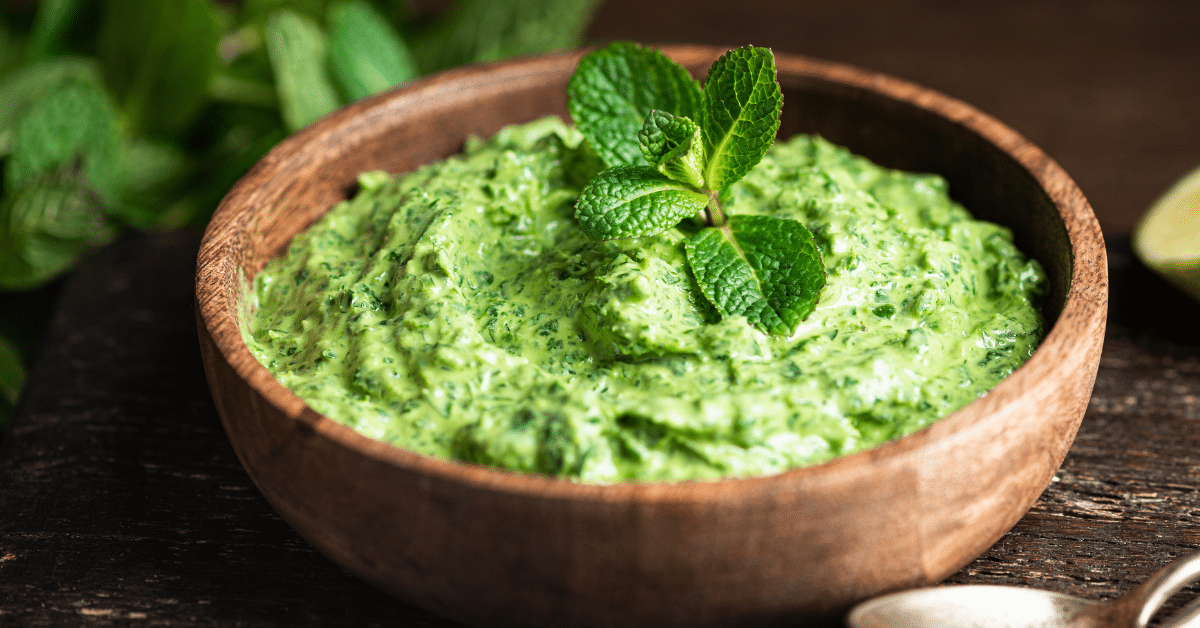
This is a picture of a bowl of green chutney. It links to a Ayurvedic Mint, Pistachio and Cilantro Chutney recipe blog post.

This Ayurvedic mint, pistachio and cilantro chutney recipe makes a tasty side or topping rich in herbs and spices that support digestion, detoxification and overall health.

Ayurvedic Mint, Pistachio and Cilantro Chutney Recipe

Ingredients:

  • 1 cup fresh cilantro leaves (finely chopped)
  • 1/2 cup fresh mint leaves (finely chopped)
  • 1/4 cup unsalted pistachios (soaked for 1-2 hours)
  • 1 small green chili (optional, adjust to your heat preference)
  • 1 tablespoon fresh ginger (grated)
  • 1/2 teaspoon cumin seeds (lightly roasted)
  • 1/2 teaspoon fennel seeds (optional, for cooling effect)
  • 1 tablespoon lemon or lime juice (freshly squeezed)
  • 1/2 teaspoon rock salt (or to taste)
  • 1/4 teaspoon black salt (optional for a tangy flavor)
  • 1 tablespoon coconut or olive oil (optional for added smoothness)
  • 2-3 tablespoons water (adjust consistency as needed)

Optional Additions to this Ayurvedic Mint, Pistachio and Cilantro Chutney Recipe:

  • 1/4 teaspoon *turmeric powder: Adds anti-inflammatory properties.
  • 1/2 teaspoon jaggery or raw honey: For balancing Vata and Pitta doshas, adds a touch of sweetness.

*Use code KATIES15 for a special 15% discount on all Banyan Botanical products.⁣

Instructions:

  1. Soak the Pistachios: Soak the pistachios in warm water for about 1-2 hours. This makes them easier to blend and helps release their oils.
  2. Toast the Spices (Optional): In a small pan, lightly toast cumin and fennel seeds until fragrant. Allow them to cool slightly.
  3. Blend Ingredients: In a blender or food processor, add soaked pistachios, cilantro, mint, green chili (if using), ginger, roasted cumin, fennel seeds, rock salt, black salt, lemon or lime juice, and turmeric (if using). Blend until smooth. Add water gradually to reach your desired consistency.
  4. Adjust Seasoning: Taste and adjust salt, lemon juice, or jaggery/honey as needed.
  5. Optional Oil: Add coconut or olive oil for a richer texture. Blend again for a few seconds to incorporate.
  6. Serve: Serve fresh with meals or as a dip. Store in an airtight container in the fridge for up to 3 days.

Ayurvedic Considerations for this Ayurvedic Mint, Pistachio and Cilantro Chutney Recipe:

  • Vata Dosha: Reduce green chili and use a small amount of oil and jaggery/honey to ground Vata.
  • Pitta Dosha: Skip or reduce the chili and black salt, use more mint for cooling, and add fennel seeds to soothe Pitta.
  • Kapha Dosha: Skip the oil, use lime juice instead of lemon, and add more chili and ginger for heat and stimulation.

This chutney could be a great addition to an Ayurvedic spring cleanse or our Instant Pot Kitchari.

Enjoy making this flavorful mint, pistachio and cilantro chutney recipe and pairing it with your meals! 🌱

Continue Reading

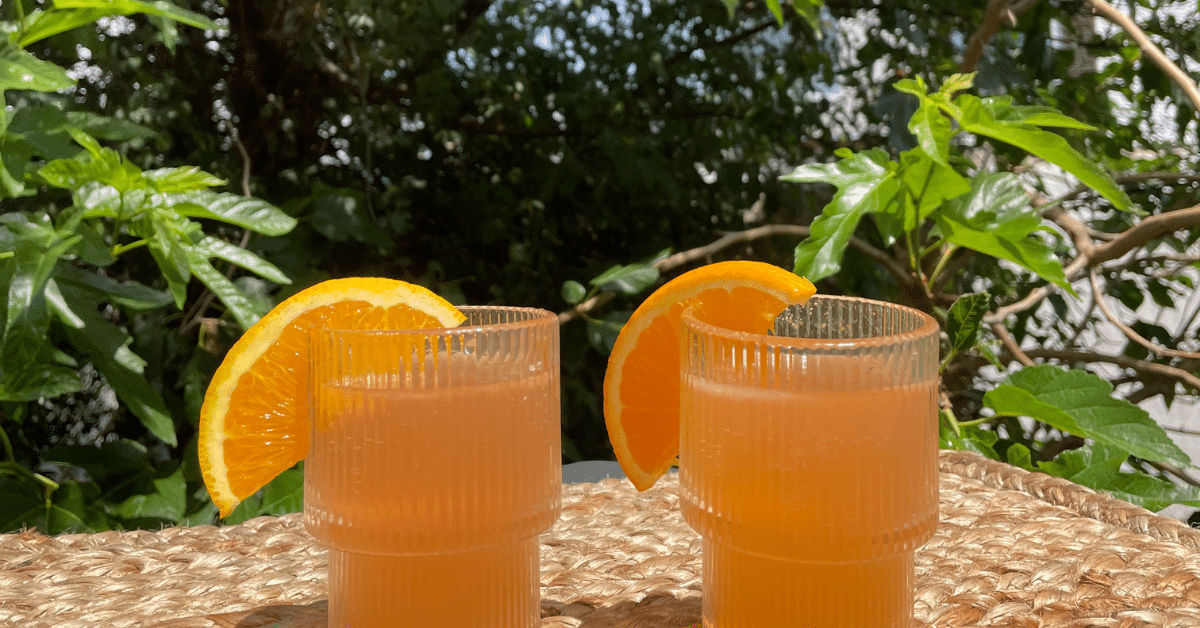
Pitta-Friendly Summer Mocktail ft. Heart-Healing ROSE Water

Blog Featured Image (1200 × 628 px)

Wondering what to sip this summer that’s not going to dampen your agni but that’s still a little indulgent and fun?

(To my down-under ladies, you can enjoy this too, especially if you have more PITTA aka fire in your constitution!)

This cooling, goddess-worthy bev is perfect for when you wanna sip something cooling but still delicious, enjoy a mocktail, or get a hydrating boost on a hot summer afternoon.

The recipe makes 1 so be sure to double or triple if making it for friends 😉

Ingredients to help soothe inner heat while gently supporting agni:

🥀Rose Water

Rosewater is mildly astringent which gives it a cooling property both topically and internally. It’s great for balancing excess heat, aka pitta dosha in the digestive system, helping to aid digestive discomfort, bloating and heartburn.

Plus there’s nothing more nourishing to the subtle heart center than ingesting rose!

(See below on how to whip up your own rose water at home.)

🍋Lemon

If you’re not-so-new to Ayurveda you’ll know that warm lemon water is a key part of a traditional Ayurvedic morning routine—this is because lemon has a powerful agni boosting effect (meaning, it’s a major digestion helper!). Lemon gives our stomach the signal to start creating digestive juices and tells our liver to produce bile, both of which can help ease indigestion.

🍁Maple Syrup

Maple syrup encompasses the “sweet” quality in Ayurveda (plus, it’s derived from actual SAP - ojas boost, anyone?). The sweet taste soothes Pitta and Vata but can be a little aggravating to Kapha, so feel free to sub in some raw honey if you’re dealing with a Kapha imbalance.

Ingredients (makes one serving):

  • 2 tablespoons of rosewater (see how to make your own below or purchase rosewater already made!)
  • Juice from 1/2 lemon
  • 1 tablespoon good quality maple syrup
  • 1 cup plain seltzer (or sub in hibiscus infusion)
  • Optional garnish: cucumber, mint, orange, strawberries, etc.!

Directions:

Step 1. Make the rose water: add 1 teaspoon rose powder to a jar or glass measuring cup. Pour 1 cup boiling water over it. Allow to sit for 30 minutes then strain with a fine mesh strainer.

Step 2. Once cooled, add 2 tablespoons of rosewater into your mocktail glass.

Step 3. Add juice from 1/2 lemon.

Step 4. Add 1 tbsp good quality maple syrup. Stir up ingredients to combine.

Step 5. Top with 1 cup plain seltzer (or alternatively a chilled hibiscus infusion if you want to avoid seltzer!)

Garnish with a few cucumber slices, mint leaves, or orange slices!

Sip and stay cool 😎

Continue Reading

How to do a Spring Cleanse

Blog Featured Image (1200 × 628 px)

Spring is the perfect time to do a gentle cleanse.

Ayurveda teaches us to mimic what is happening in the natural world. In Spring, the Earth’s core begins to heat up as fungi, bugs, insects, and bees make their way to the surface pollinating and helping to prepare the soil for the growth to come.

After many months enduring the cold and dampness of winter, it’s likely that some extra Kapha accumulation could be present. This can take the form of excess mucus in the lungs and sinuses, a possible accumulation of weight, or a feeling of lethargy or depression.

Thankfully, with the help of Ayurveda and the willingness to slightly shift up your routine you can be easing into that springtime flow in no time.

So, what does it mean to detox Ayurvedically?

Ayurveda does not suggest some kind of crazy fasting or overly-restrictive cleansing. In fact it’s quite the opposite.

An Ayurvedic cleanse is gentle.

What most of us actually need is something that can allow our body to deeply relax.

In order to “let go” of all the unwanted stuff inside of us, your body needs to know that you have the space to step away from your daily hustle and grind, to step into the parasympathetic nervous system and deeply relax.

This is why, for example, as part of an Ayurvedic cleanse, getting warm, medicated oil rubbed on you was always part of the cleansing protocol.

Blog Featured Image (1200 × 628 px) copy

For this simple cleanse I’m gonna share with you, it’s not at all about restricting food intake. 

It’s all about giving your body and digestion the space and time to deeply rest.

We have this idea in our culture that cleansing must be about suffering and penance and purification, Ayurvedic cleansing isn’t about any of those things. It’s about sweetness and love and slowing down. And saying to your body “I’m going to let you do what you need to do to come into balance.”

NOT using willpower to force our bodies to further the goals of the mind.

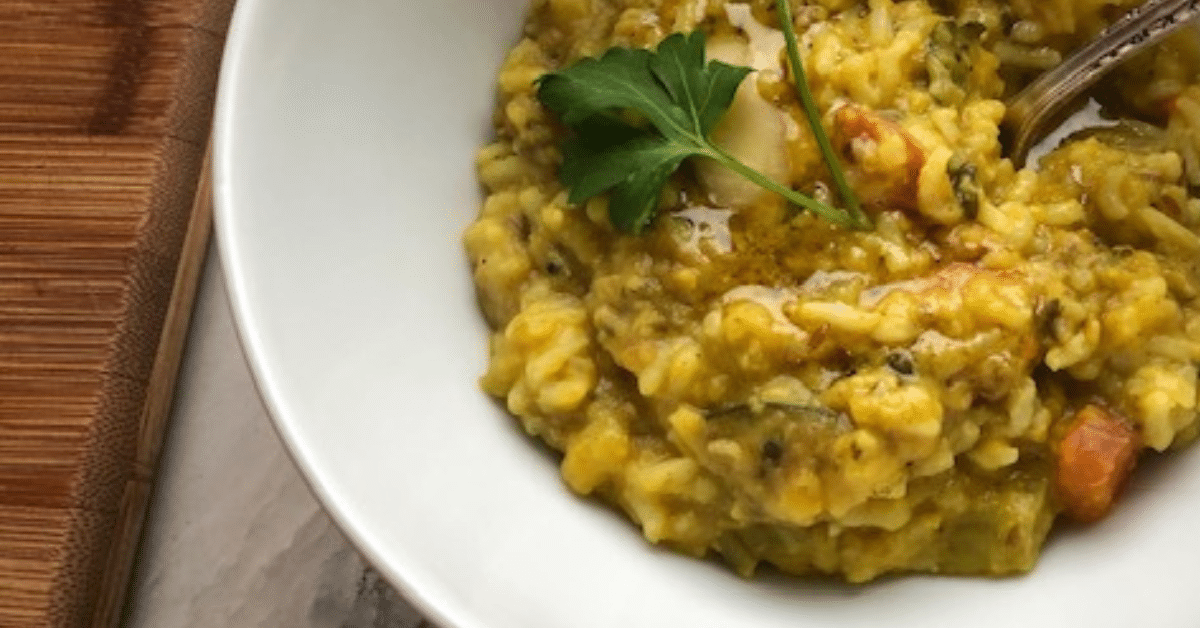
So I put together this little spring Kitchari recipe and simple cleansing protocol that’s a really easeful intro to Ayurvedic cleansing.

Plus there’s some more amazing resources below if you want to take it even deeper.

Get the Guide Here


Additional Cleansing Resources:

For Learning More About How to Do an Ayurvedic Cleanse:

Ep. 07 Spirit Sessions Podcast: Detox the Ayurveda Way

For a Guide to Spiritual Spring Cleaning:

Ep. 11 Spirit Sessions Podcast: Holy Shit, How to Become a Tantric House Witch 

For Boosting Your Elimination and Achieving “Poophoria”:

Ep. 46 Spirit Sessions Podcast: Poophoria: Getting Perfect ?!

Happy spring cleansing!

Continue Reading
  • « Go to Previous Page
  • Page 1
  • Page 2
  • Page 3
  • Page 4
  • Page 5
  • Go to Next Page »

Footer Hero Widget

theshaktischool

TheShaktiSchool

The solstice is a time to let our UP + OUT energy The solstice is a time to let our UP + OUT energy flow. It’s time to allow the higher frequencies of celebration and gratitude to pierce our hearts and bask in the abundance of light. 

Here are some simple solstice remembrances to maximize this powerful seasonal shift this weekend:

• Sun-Gaze. Take your morning meditation outside. Recognize and feel the sun’s presence. See if you can really tap into the frequency of gratitude for how the sun nurtures all life. 

• Build an Outdoor Altar. Use things from your backyard, objects that you want to infuse with your intentions, and light incense and candles. This is also a really fun activity to do with friends or family if you’re gathering to celebrate!

• Build a Bonfire. Ancient Northern and Central European pagans welcomed Midsummer with bonfires. It was thought that bonfires would boost the sun’s energy for the rest of the growing season and guarantee a good harvest for the fall.

• Indulge in Pitta-Reducing Delights. Seek out your local farmers market and pay homage to the summer harvest by using seasonal ingredients.

• Set New Goals. Take time to reflect on the themes, shifts and lessons that have shaped the past six months, and revisit the intentions you set at the winter solstice. As you look ahead, ask yourself what you want to cultivate, release or expand - physically, emotionally and spiritually.

Wishing you a day of prosperity, fertility, and new growth in ways big and small,

Katie + Team Shakti 🌞
When I was younger, connecting with my intuition w When I was younger, connecting with my intuition was more like an intentional practice of learning about it and studying it.⁠
⁠
Now my intuition is really accessible, and it’s really fast. And it’s also deeply challenging.⁠
⁠
I know very quickly the highest and best move, action-wise. So the task isn’t as much, “is this my intuition? How do I connect to my intuition?” ⁠
⁠
My intuition is already right there. And so is yours.⁠
⁠
The challenge is to actually do what it says. ⁠
⁠
Our ego, or our little self, is so used to thinking and acting like it’s in charge… But our intuition is like, “Hey lady, why don’t you NOT react and just pause instead? What if you don’t know everything? What if you really take a moment to listen?”⁠
⁠
As we age, the most important thing around intuition is this: ⁠
⁠
Do what it freaking says. ⁠
⁠
Sometimes, that’s really, really hard because our reactions are almost instant. ⁠
⁠
But here’s the thing. When you start to learn what happens when you DON’T listen to your intuition - you begin to learn that the cost is usually too much NOT to listen.⁠
⁠
When did listening to your intuition really “click” in your personal evolution or aging process? Share with me down below - I wanna hear your experience.⁠
⁠
If you want to dive even deeper into this convo, check out my latest Spirit Session Podcast episode. ⁠
⁠
🎧 Comment “245” for the link to Ep. 245 Spirit-Led Business Success for Female Entrepreneurs with Angelica Neri where we chat intuition, business, and so much more.
Here’s how to use these different herbs to balan Here’s how to use these different herbs to balance summer pitta heat: ⁠
⁠
🌹TEAS & INFUSIONS⁠
Steep dried herbs in boiling water for several hours:⁠
⁠
• Licorice⁠
• Rose⁠
• Hibiscus⁠
• Rose Hips⁠
• Marshmallow⁠
• Mint⁠
⁠
In the summer, you want to stay really hydrated, and that doesn’t mean just drinking a ton of cold ice water. It means drinking things that hold lubricants in them like licorice tea, rose tea, hibiscus tea, rose hips and marshmallow tea. All of these are cooling and damp and will help plump up the skin full of water (but not in a water-retentive sort of way).⁠
⁠
🌿 HERBS FOR ABHYANGA⁠
Choose oils infused with these herbs and plants over the summer:⁠
⁠
• Neem⁠
• Lavender⁠
• Jasmine ⁠
• Rose⁠
• Helichrysum⁠
• Frankincense⁠
⁠
Ayurveda teaches that staying hydrated and cool is really about having a daily skincare routine whether it be January or July. The cornerstone of Ayurvedic skincare is putting herbal-infused oils on your body every day. Herbal infused oils are natural skin protectants and healers.⁠
⁠
🌸 FACIAL CARE⁠
Make a hydrating facial spritzer with:⁠
⁠
• Jasmine⁠
• Rose⁠
• Lavender⁠
• Frankincense⁠
⁠
You also want to stay hydrated on the outside. This time of year, I’ve got little bottles of spritzers everywhere and I just spritz myself all the time, slightly obsessively. Keep your skin moist. Mist and spritz! ⁠
⁠
Lady, we’ve got one thing that we do here at The Shakti School, and we do it the best in the whole world: feminine-form Ayurveda. Every single year our Ayurvedic Wellness Coach training gets more magical - with more teachers, more students and more women from all over the world gathering to remember what truly matters. ⁠
⁠
🌹 Early Bird registration for our 2027 Level 1 Ayurvedic Wellness Coach Certification Training is officially open. Comment AYURVEDASCHOOL for more information.⁠
⁠
🕯️If you’ve been craving a more feminine, intuitive and nourishing approach to your wellbeing, comment WISDOM to dive into our free Women’s Wisdom + Ayurveda mini-course now.
Remember some of the qualities of pitta: hot, ligh Remember some of the qualities of pitta: hot, light, oily, sharp, intense, and mobile. 

Because of these inherent qualities, pitta-type people will do best with forms of body movement that cultivate the opposing qualities (i.e., exercising in temperate or cool weather, and exercising in a calm and steady way). 

Working out in this manner will help relieve some of the tension, intensity, heat, and irritability associated with pitta imbalance. It will also help get rid of any excess Fire (i.e., stress and acid) in the body, most specifically in the sites where heat accumulates—small intestine, liver, blood, head, and eyes. If you exercise in a way that aggravates pitta, you will actually accumulate more Fire in those body parts. 

Any body type will benefit from using the pitta-reducing routine if they are relatively healthy and it is summer.

Pitta types can tend to be overly competitive and “burn out.” Make sure to hydrate your pitta body with water or other liquids, particularly in the summer time.

🌿 Ready to explore a softer, deeper way to approach healing and women’s health? Comment WISDOM to get our free Women’s Wisdom and Ayurveda mini-course right now.
Put all of the ingredients except the zinc into a Put all of the ingredients except the zinc into a large glass mason jar. Fill a medium saucepan with a few inches of water and place that on medium heat. Loosely fit the lid on the jar and place that in the water. ⁠
⁠
Let all those ingredients melt together completely, shaking or stirring to get it all blended.⁠
⁠
Once everything is melted, take it off the heat, add in the zinc, secure the lid, shake it up and stir it well. Then pour it into whatever container you plan on keeping the sunscreen in and let it cool.⁠
⁠
This sunscreen has around 35 to 40 SPF naturally!⁠
⁠
And one more thing - if you still love conventional sunscreen and want to keep using it, just avoid any sunscreen that has oxybenzone. Oxybenzone is found in about 40% of sunscreens and it’s been banned in Japan and parts of Europe because it’s been found to be a major endocrine disruptor related to infertility, hormone imbalance and low birth rates.⁠
⁠
Remember the golden rule in Ayurveda: ⁠
⁠
We don’t put anything on our skin that we would not use in our kitchen. 🥣⁠
⁠
Enjoy your summer and take care of your skin! ✨⁠
⁠
P.S. Beautiful person - I wanna let you know that The Shakti School doors are officially open for our next Level 1 cohort starting January 2027. This is more than a certification. It’s a living field of women who become mirrors, mentors, and soul-sisters for your unfolding, and it will absolutely change your life from the inside out. Early bird registration is officially here!⁠
⁠
🌹 Comment AYURVEDASCHOOL to learn more about our yearlong Ayurvedic Health Coach Certification Training.⁠
⁠
🌿 Ready for a taste of feminine-form Ayurveda right now? Comment WISDOM and we’ll send you our free Ayurveda + Women’s Wisdom mini course.

Footer

© 2026 Shakti School

  • FAQ
  • Privacy Policy
  • Terms and Conditions
  • Advocacy
  • Find a Coach
  • Login
  • Katie's Books
  • Contact and Support

Get the Shakti Letter love, katie