• Skip to main content

The Shakti School

Feminine Form Sacred Technology

  • About
  • Blog
  • Glow-Worthy
  • Ayurveda
  • Subscribe
  • Podcast
  • Book a Call
  • Free Course
  •  

Fall

Ep. 232 Regulating the Nervous System with Somatic Ayurveda

This is a picture of Katie Silcox. The text reads, "Spirit Sessions: Find your true spiritual home with Katie Silcox."

Do you feel like your nervous system is running the show? Tune in to learn simple, nurturing Ayurvedic practices to regulate your nervous system and bring your body into balance this fall.

In this episode, Katie shares how stress and unprocessed emotions affect your body through the lens of Ayurveda. She shares grounding self-care rituals, herbal allies, foods and a guided mindfulness practice to help you regulate your nervous system and feel more at ease in your body.

This podcast is a recording of the free live webinar Katie hosted last week. Make sure you don’t miss next month’s live webinar by signing up for our newsletter here on our website! 

Registration for the 2026 class of our Divine Feminine Ayurveda School is open! If you have questions about the program, we’d love to chat with you. Click here to book your free call!

In this episode about nervous system regulation, you’ll hear:

~ Why you’re not meant to be calm and at peace all the time

~ The difference between anxiety and fear

~ What is anxiety, really?

~ The true essence of fear, anger and sadness

~ Releasing unrealistic expectations

~ What does “nervous system regulation” actually mean?

~ How we store past emotions and experiences in our body

~ What the nervous system requires for health

~ The energetics of fall

~ The relationship between vata and your nervous system

~ Fall self-care practices and remedies to balance your nervous system

~ The importance of ritual and routine in the fall

~ Nervous system regulating foods and herbs

~ A guided mindfulness practice for nervous system regulation

~ Download the accompanying e-book here!

Or Subscribe on iTunes

Connect with Katie and The Shakti School:

~ Sign up for our free mini-course about Women’s Wisdom and Ayurveda!

~ Follow The Shakti School on Instagram and Facebook

~ 2026 Chakra Yoga Nidra Retreat: Deep dive into the chakras with Katie as your guide in the Bahamas in spring 2026!

~ Read Katie’s latest book, Glow-Worthy!

Related episodes:

~ Ep. 212 Soothe Your Nervous System and Get Pumped!

~ Ep. 226 The Night My House Burned & What Truly Saved Me


Help Us Spread Our Pod Wings!

Did you love this episode about how to regulate your nervous system through ancient Ayurvedic practices? This show is a passion project that I produce for the love of sharing. If you love the show and want a free and easy way to help it grow, the most effective way you can help is to:

  1. Subscribe to the show by clicking “subscribe” in iTunes
  2. Write us a review in iTunes or your podcast player of choice
  3. Share this show with a friend right now!

It seems simple, but you’d be AMAZED to know how much it helps my little love project reach more people. iTunes’ algorithm uses ratings and reviews to know who to show our show to in their app.

Here’s the link to leave us reviews in iTunes.

From my heart to yours,

Katie
Continue Reading

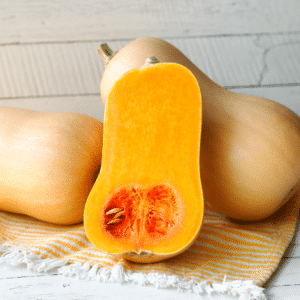
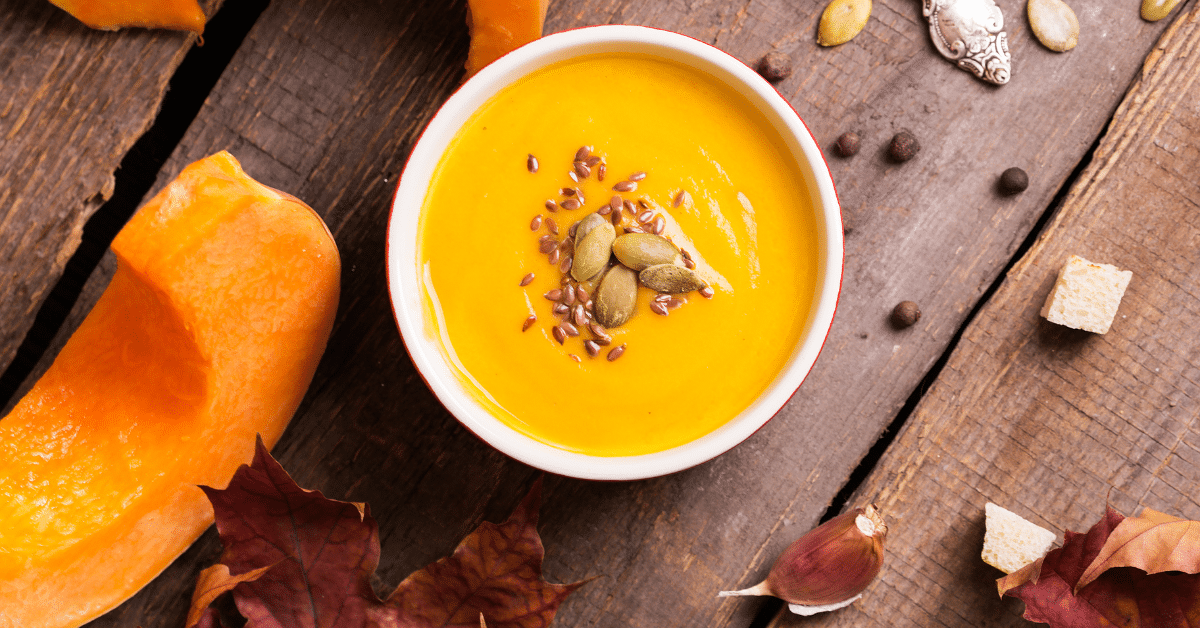
Butternut Squash and Roasted Apple Soup

Blog Featured Image (1200 × 628 px) (1)

This has to be one of my all time favorite soups to make around the fall/winter season. It’s an absolutely perfect combination of flavors: savory, sweet, and a tiny bit of spice. And it’s creamy texture makes me feel like I'm being draped in a warm cozy blanket! If this sounds like too much for a soup to live up to, believe me, it’s not. You must try it!

In Ayurveda, we love talking about food flavor combinations. As many of you reading this may know already, Fall and Winter (in the Northern Hemisphere) tend to have a more drying and cooling effect on the body. This can often affect our sleeping patterns, the quality of our skin, and possibly throw our digestion off. This soup will help to target all of your autumnal needs. With the sweetness of the butternut and apple and the spiciness of the ginger and cayenne, you will feel warm and nourished in no time.

Ingredients: 

  • 1 large butternut squash
  • 1 medium sized carrot
  • 1 medium sized turnip
  • 2-4 tablespoons ghee
  • 1 tsp cumin
  • 1 tsp cinnamon
  • 1 tsp turmeric
  • 1 tsp curry powder
  • 1 tsp cayenne pepper
  • 1 teaspoon sea salt
  • 1 teaspoon black pepper
  • 2 apples (local if possible)
  • 1 large onion, peeled and finely chopped
  • 3 cloves garlic cloves (whole)
  • 1 tbsp minced ginger
  • 4 cups vegetable stock or bone broth
  • 1 sprig fresh rosemary

Directions:

Start by cutting your butternut squash in half, scoop out the seeds and place on a baking sheet lined with parchment paper. Chop the apples, carrot, turnip and the onion (no need to cut them too small) and add them to the baking sheet. Cover everything generously with the spices (except the fresh ginger and rosemary) and the whole garlic cloves.

Bake for 30-35 minutes at 420 degrees.

Add all the ingredients and the ginger to a food processor and blend on high until smooth.

For Serving:

Heat a small amount of ghee in a pan with pumpkin seeds, a dash of cinnamon, and rosemary until lightly toasted. Top with your soup and serve with crusty sourdough bread! 🧡🥖

Continue Reading

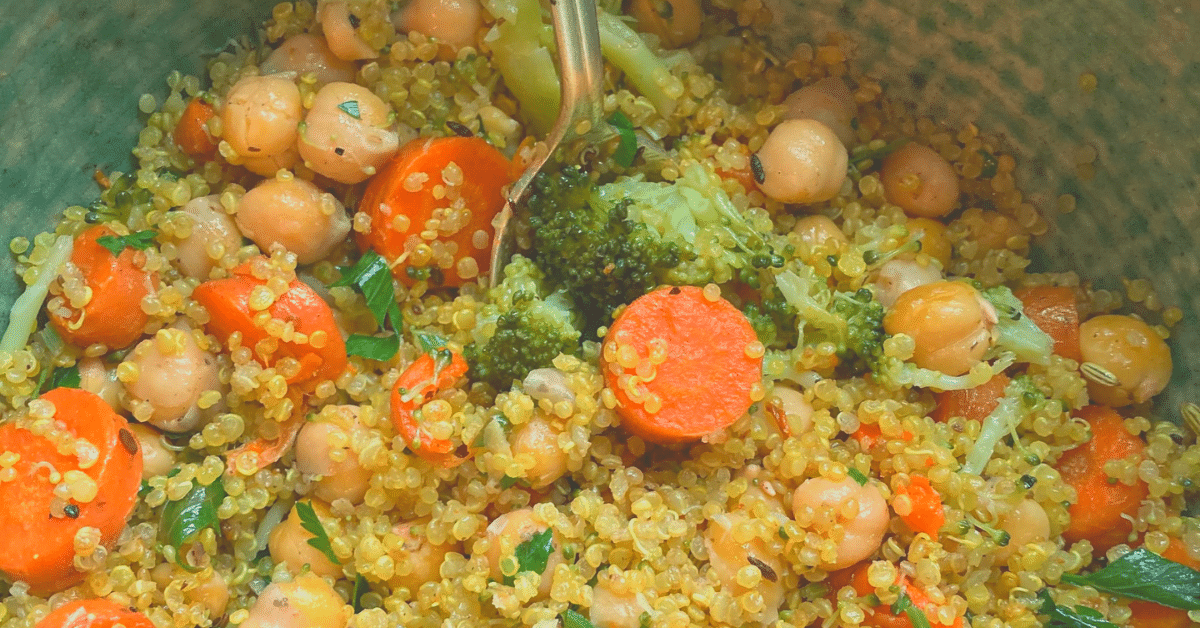
Curried Quinoa and Chickpeas

Blog Featured Image (1200 × 628 px) (1)

What I love about this meal is that it is not only easy, but it is also so satisfying and nourishing. I usually make it in the morning while I am making breakfast in order for it to be perfectly cooked by lunchtime. It saves really well too.

Ingredients:

  • 1/2 tsp cumin seeds
  • 1/2 tsp fennel
  • 1/2 tsp turmeric
  • 1/4 tsp allspice
  • 1/2 tsp salt & pepper
  • 1-2 tbsp ghee
  • 1 cup chickpeas (either canned or prepared ahead of time, *see note below)
  • 1/2 cup quinoa
  • 1-2 medium sized carrots (chopped)
  • 3/4 cups broccoli florets

*Note on chickpeas: it's best not to get in the habit of using canned legumes, however there are certain brands that carefully soak and prepare their products and I prefer to seek those out. I love Westbrae Organic Garbanzo Beans

Directions:

Get ready for the easiest meal ever. First, rinse your quinoa with water by using a fine mesh strainer.

In any type of rice cooker (see note below if you do not own a rice cooker), add the quinoa and all of the remaining ingredients. Refer to the cooking instructions on whatever brand of quinoa you have chosen for the appropriate liquid amount. For the liquid, I like to use either spring water or vegetable/bone broth. Let cook on the rice setting until it's finished.

So easy, right?

For Preparing:

My favorite way to eat this dish is by topping it with avocado, fresh herbs, juice of a lemon, and a spoonful of tahini. 

*If you do not own a rice cooker, don't worry, this dish is just as easy done in a cooking pot with a lid. Follow the same instructions, except add all ingredients to a pot. Cover with your liquid and bring to a boil. Once it's boiling, reduce heat to a simmer, cover with the lid, and allow to cook for 15 minutes. Remove from the heat and let sit for an additional 5 minutes.

Continue Reading

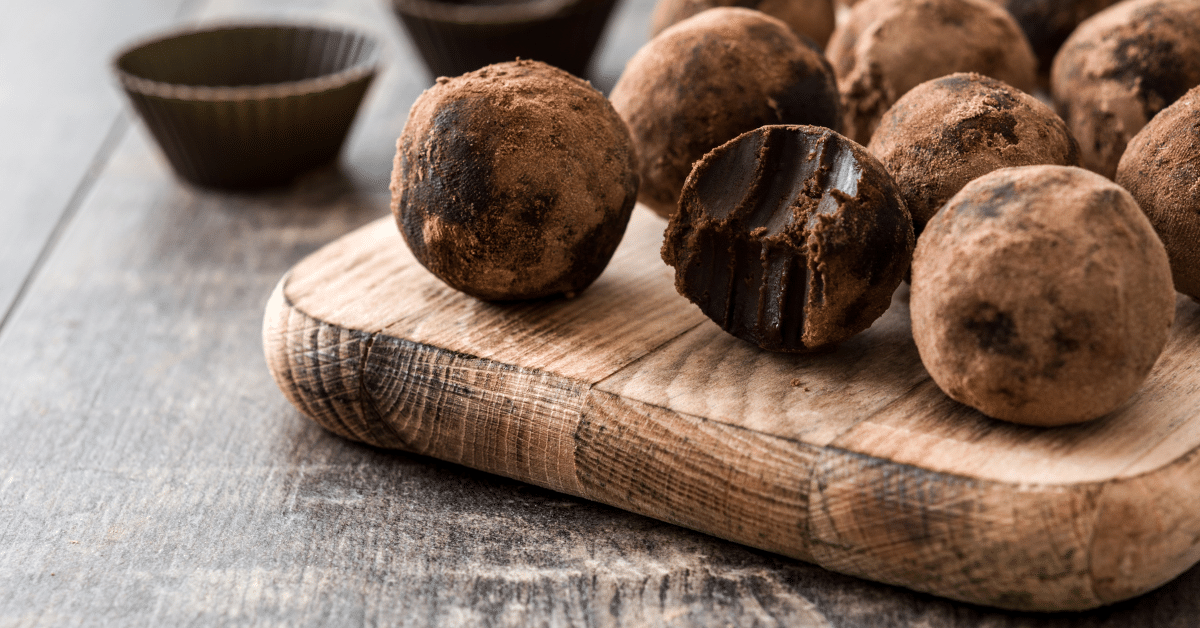
Chocolate Truffles

Blog Featured Image (1200 × 628 px) (1)

Ingredients:

  • 1 cup cup peanut or almond butter
  • 2 tbsp ghee
  • 1/2 cup coconut cream (cream only) 
  • 1 cup cocoa powder
  • 1/4 tsp vanilla
  • 2 tbsp maple syrup
  • 1/4 tsp sea salt
  • ¼ tsp ashwagandha (optional)

Directions:

In a saute pan, melt the ghee, coconut cream, and nut butter over low heat. Pour into a bowl with the remaining ingredients. Transfer to the refrigerator and let cool for about an hour. After the chocolate has cooled, roll into balls and place on a plate with parchment paper. You can get creative here: roll the balls into coconut flakes, rose powder, or whatever you feel called to! 🍫

Continue Reading

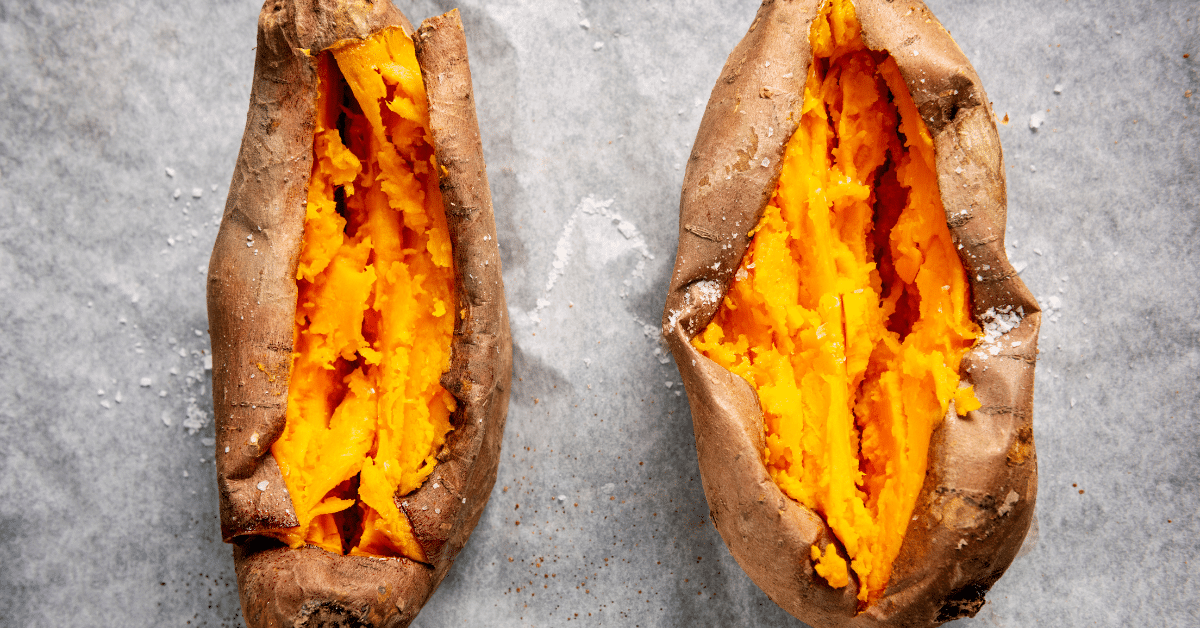
Vanilla Coconut Sweet Potato Crumble

Blog Featured Image (1200 × 628 px) (1)

As we move into the season of celebrations, we are excited to share this delicious, grounding, and sugar-free Vanilla, Coconut, Sweet Potato Crumble Recipe with you!

In Ayurveda, sweet potatoes are seen as a nourishing, sattvic food—one that promotes peace, balance, and clarity. They help to pacify vata and pitta doshas, making this dish ideal for the cooler months when we crave warmth and comfort.

This crumble combines the richness of sweet potatoes, creamy coconut, and ghee (or coconut oil), supporting your body’s digestion and immunity while indulging your senses. Topped with pecans and coconut flakes, it's a decadent, yet wholesome option that aligns perfectly with Ayurvedic principles—balancing sweetness with grounding fats and spices like cinnamon and cardamom to boost digestion without overloading on sugar.

Vanilla Coconut Sweet Potato Crumble

Ingredients for the Sweet Potato Filling:

  • 3-4 medium-sized sweet potatoes, chopped (you can peel them if you’d like, but I prefer to keep the skin on for the extra fiber!)
  • ⅓ cup full fat coconut milk
  • 3 Tbsp ghee or coconut oil
  • 2 Tbsp coconut butter
  • ¼ cup pure maple syrup
  • 1 tsp salt
  • 1 tsp cinnamon
  • 1 tsp vanilla bean

Ingredients for the Pecan Topping:

  • 2 cups pecans, chopped (or kept whole for extra decadence)
  • ½-¾ Cup unsweetened coconut flakes
  • 2 Tbsp ghee or coconut oil
  • 3 Tbsp pure maple syrup
  • 1 tsp cinnamon
  • ¼ tsp cardamom
  • pinch salt

Directions:

For the sweet potato:

  • Place sweet potatoes in a large pot, cover with water, and bring to a boil. Allow them to boil until they are completely soft (about 15 minutes). Drain and transfer to a food processor. (You can also mash/mix by hand if you do not have a food processor). Add the remaining ingredients (for the mash) to the food processor and blend until it’s smooth or has reached your desired consistency.
  • Pour mash into an 8×8 baking dish. Use a spoon to smooth out the surface.

For the topping:

  • Preheat the oven to 375 degrees. In the meantime, in a medium-sized bowl, combine all of the topping ingredients. Mix well and spread over the sweet potato mash.
  • Cover with foil and bake for 20 minutes at 375 degrees.
  • Remove foil and bake for another 20-25 minutes. Keep an eye on the pecans. If they begin to brown, cover again with the foil.

I hope this recipe nourishes both your body and soul this upcoming holiday season! 🧡

Continue Reading

Ep. 188 Your Fall Ayurvedic Kitchari Cleanse Guide

This is a picture of Katie Silcox. The text reads, "Spirit Sessions: Find your true spiritual home with Katie Silcox."

As the seasons change so do our body and spirit! According to Ayurvedic tradition, fall is a sacred time of year when we can experience deep clarity and insight into our life purpose. Through a traditional, seasonal kitchari cleanse we can align with the lightness, mobility and clarity of the fall season in order to become wiser, improve digestion and boost our immunity as we ready for winter.

Tune in to this episode to learn why we cleanse, then join Katie LIVE for our FREE Online Fall Ayurvedic Cleanse Webinar on Thursday, September 26th at 11 am Eastern Time US. You’ll learn how to do a kitchari cleanse and take home a beautiful PDF guide that includes all the recipes and information you need to complete your own Ayurvedic kitchari cleanse. We hope to see you there!

CLICK HERE TO REGISTER!

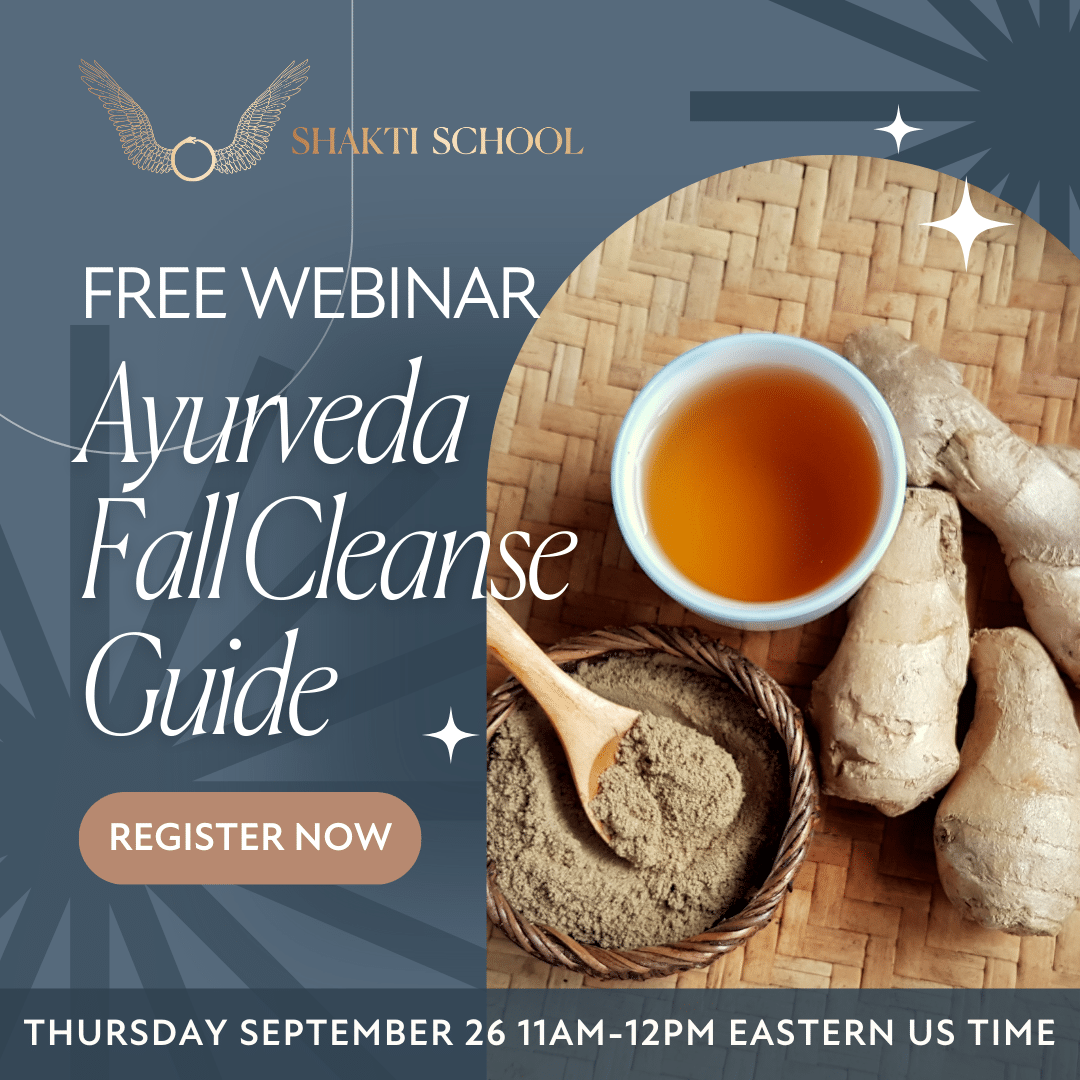
This graphic has a picture of ginger, ginger tea, and ginger powder on a dark blue background. The text reads "Free Webinar: Ayurveda Fall Cleanse Guide. Register Now." It links to a podcast episode about why we do seasonal Ayurvedic kitchari cleanses.

In this episode, you’ll hear:

~ Why fall is considered a “sacred window” in Ayurveda

~ The spiritual gifts of fall

~ How is the Ayurvedic approach to cleansing different?

~ The intention behind an Ayurvedic cleanse

~ What’s so special about kitchari?

~ What happens in your body when on a kitchari cleanse

Other links mentioned in this episode:

~ Learn more about our year-long Ayurveda School here!

~ Sign up for our free mini-course about Women’s Wisdom and Ayurveda!

~ Follow us on Instagram and Facebook

~ Katie’s latest book, Glow-Worthy is available now!

Or Subscribe on iTunes

Learn more:

  • Ayurveda Certification
  • The Shakti School Subscription

Help Us Spread Our Pod Wings!

Did you love this episode about why we do seasonal Ayurvedic kitchari cleanses? This show is a passion project that I produce for the love of sharing. If you enjoy this show and want a free and easy way to help it grow, the most effective way you can help is to:

  1. Subscribe to the show by clicking “subscribe” in iTunes
  2. Write us a review in iTunes
  3. Share this show with one friend right now!

It’s seems simple, but you’d be AMAZED to know how much it helps my little love project reach more people. iTunes’ algorithm uses ratings and reviews to know who to show our show to in their app.

Here’s the link to leave us reviews in iTunes.

Happy cleansing!

From my heart to your screen,

Katie

Continue Reading

Fall Lickable

Blog-Featured-Image-1200-×-628-px-2-min

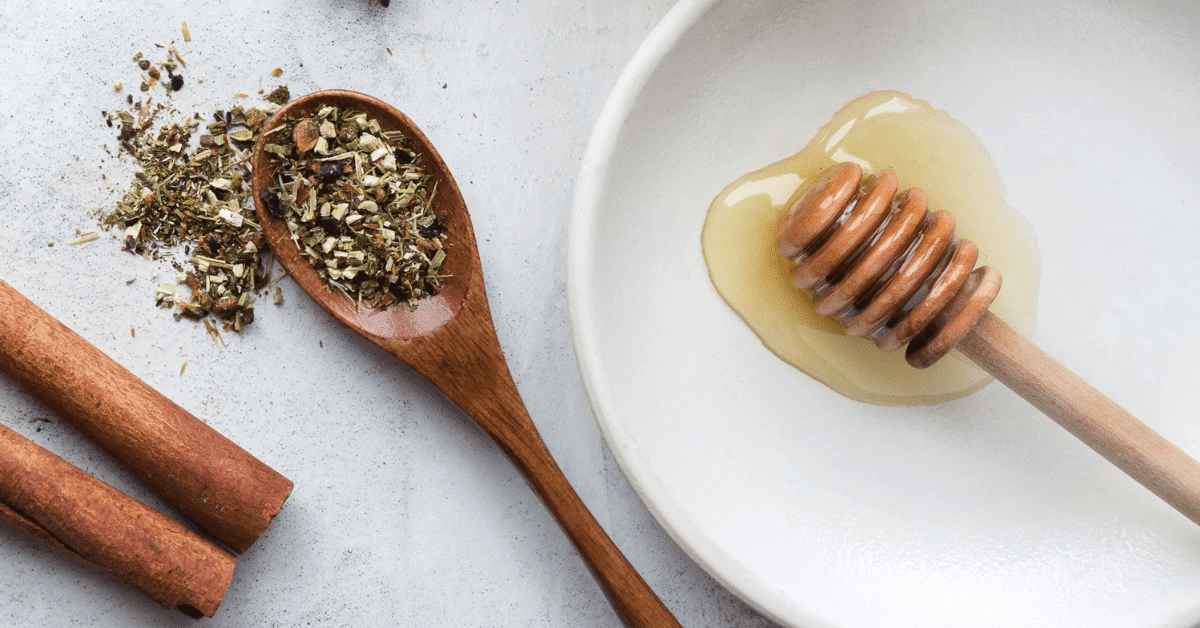
This little lickable is great for when you’ve got the ick (a.k.a. Cold and Flu season)

Add together:

  • 3 tablespoons Manuka honey 
  • 3 tablespoons Grass-fed ghee
  • 1 tsp. Turmeric powder
  • 1 tsp. Licorice powder 
  • ½ tsp. Cinnamon 
  • ¼ tsp. Cardamom 
  • A few dashes of Cayenne Pepper powder (*leave out if it’s too much heat for your system) 

Mix all together until a smooth paste. 

Lick a teaspoon a few times a day!

Continue Reading

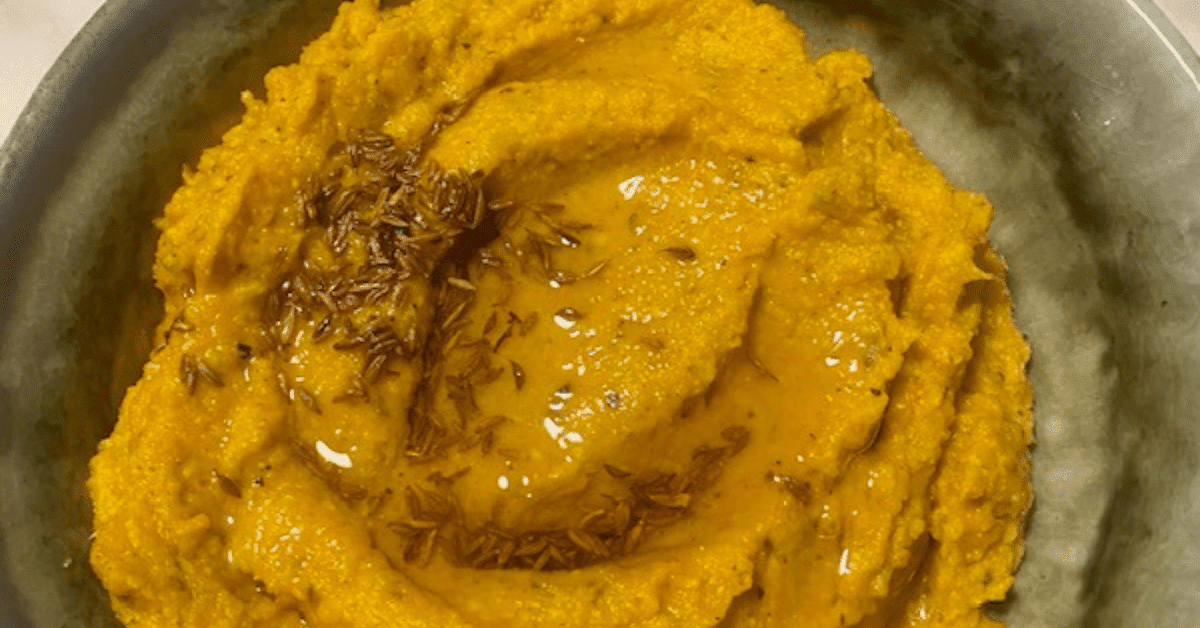
Carrot & Winter Squash Chutney Recipe

Blog-Featured-Image-1200-×-628-px-1-min

Ingredients: 

  • 1 small delicata squash or any other winter squash (acorn or butternut would work well), seeds removed and chopped
  • 2 carrots, chopped
  • 1/2 cup roasted and unsalted almonds
  • 1 small piece of fresh ginger, peeled and chopped
  • 1 tablespoon fresh lemon juice
  • 3 tablespoons olive oil or ghee
  • 1/2 teaspoon cumin seeds
  • 1/4 teaspoon asafoetida (hing) - a pinch
  • 1/4 teaspoon ajwain
  • 1/4 teaspoon ground black pepper
  • 1/4 teaspoon ground coriander
  • 1/4 teaspoon ground fennel
  • 1/4 teaspoon ground turmeric
  • 1/4 teaspoon mustard seed
  • Water
  • Salt to taste

Directions:

  1. In a large pan, add the cumin seeds and roast them for a minute or until they become fragrant. Remove and set aside.
  2. In the same pan, melt 1 tablespoon of ghee over medium heat and add chopped squash and carrots. Add 2 tablespoons of water, cover, and cook 25 minutes, or until softened all the way through. Stir occasionally and add water as needed to keep from sticking to the pan.
  3. In a food processor, combine the roasted almonds, ginger, lemon juice and 1 tablespoon of water. Blend until you have a coarse paste.
  4. Add the remaining 2 tablespoons of olive oil or ghee, ¼ cup of water and all the spices (asafoetida, black pepper, ajwain, coriander, fennel, mustard seed and turmeric) to the mixture. Once the carrots and squash are softened, remove from the pan and add to the food processor.
  5. Blend again until everything is well combined. You can adjust the consistency by adding a little water as needed.
  6. Taste the chutney and adjust the salt and seasonings according to your preference. Keep in mind that Ayurveda recommends reducing salt for Vata balancing, so be moderate.
  7. Heat a small amount of ghee in a small pan. Add the roasted cumin seeds to the ghee and let them sizzle for a few seconds. Pour this over the chutney and mix well.
Continue Reading
  • Page 1
  • Page 2
  • Go to Next Page »

Footer Hero Widget

theshaktischool

TheShaktiSchool

I love the metaphor of ojas as the body’s natura I love the metaphor of ojas as the body’s natural honey; it is the delicate and refined essence we produce from the plants and other vital essences we take in. Ojas is the force that enables us to sustain that change over time. ⁠
⁠
Think of it as your psychophysical container or shield. These days, everyone needs a little more support in the realm of ojas. ⁠
⁠
✨🍯 Ready to start building your ojas?⁠
⁠
Comment LOVE TONIC for our Ojas-Building Hot Shake recipe. This warm, spicy-sweet milk with virility-boosting herbs is amazing for building your body’s natural “honey.”
Shakti School had a BLAST getting strong, wild and Shakti School had a BLAST getting strong, wild and tough as tigresses 🐅 @raisethebar_gym - we also got soft, real and teary as can be. What a wonderful, sweaty, blessed weekend. Tag yourself in my@comments if you were there!!! 🌹💘🐍🌊🐅🚀💪🏻 @lizreynoldsvarimove
We’re adding new, juicy classes to our Level 2 A We’re adding new, juicy classes to our Level 2 Ayurvedic Health Counselor Certification: cutting-edge, East-meets-West perspectives you simply won’t find anywhere else. 🧬🌿🌹⁠
⁠
In Level 2, we go deeper into the pathways of dis-ease and how imbalance becomes illness… hands-on diagnostic tools like pulse, tongue and eye assessment, advanced dosha-pacifying therapies and sattva cultivation, Ayurvedic counseling and case management, herbology and classical preparations and so much more. ⁠
⁠
And this coming year, we are beyond honored to introduce a powerful new class: Ayurveda + Inflammation with Dr. Shivani Gupta, which will dive deep into the potent power of turmeric.⁠
⁠
🌼 Turmeric, the sacred root that stains everything it touches, has been revered for centuries as a protector of blood, joints and radiance. In this Level 2 class, Dr. Shivani will teach how this superstar spice can help calm inflammation, balance hormones and restore energy, blending classical Ayurvedic wisdom with functional medicine.⁠
⁠
Dr. Shivani is an Ayurvedic practitioner, turmeric researcher and bridge-builder between ancient medicine and modern science. With a Master’s in Ayurvedic Sciences and a PhD focused on turmeric, she is the author of the upcoming book The Inflammation Code, host of the Fusionary Health Podcast, and creator of the Emmy-nominated show Vibrant Health. For over 20 years, she’s helped women and families build practical, lasting wellness routines that truly work in real life.⁠
⁠
If your heart is whispering that your journey into feminine-form Ayurveda isn’t quite complete… here’s your nudge to listen.⁠
⁠
Level 2 begins April 21st. Join us to deepen your expertise and embody Ayurveda and Tantra at an entirely new level. We’re welcoming you in. 🌸
🌱 Here’s your cheat sheet to understanding th 🌱 Here’s your cheat sheet to understanding this potent seasonal threshold in Ayurveda.

This shift from early to late winter is a dance between staying deeply warm and beginning to gently circulate what’s been stored. We’re still tending the cold - protecting agni, nourishing tissues and guarding against depletion - but now we also start to stir stagnant kapha with movement, spices and a little more lightness. 

It’s less about extreme detox and more about skillful transition: build warmth, invite lightness and honor gentle movement. 🌀

Ready to learn even more? 🦋 Comment WISDOM and get our free Women’s Wisdom & Ayurveda course right now.
🫀In Ayurveda, the lymph is part of Rasa Dhatu, 🫀In Ayurveda, the lymph is part of Rasa Dhatu, the first of the seven tissues and the foundation of nourishment, immunity and emotional resilience.⁠
⁠
Physiologically, lymph and blood plasma act as a first line of defense against allergens and pathogens. Energetically, rasa reflects how well we “process” life - how easily experiences move through us instead of stagnating or wounding us.⁠
⁠
Unlike blood, which is pumped by the heart, lymph moves through a valve system and relies on movement to circulate. That’s where practices like dry brushing (garshana) and Abhyanga come in. They gently stimulate flow, helping to “pump” this vital fluid and clear stagnation.⁠
⁠
When rasa flows, we feel clearer, lighter and more resilient, inside and out.⁠
⁠
💦 Comment LYMPH and I’ll send you my podcast episode full of feminine-form Ayurvedic wisdom for activating this powerful, protective system.

Footer

© 2026 Shakti School

  • FAQ
  • Privacy Policy
  • Terms and Conditions
  • Advocacy
  • Find a Coach
  • Login
  • Katie's Books
  • Contact and Support

Get the Shakti Letter love, katie