• Skip to main content

The Shakti School

Feminine Form Sacred Technology

  • About
  • Blog
  • Glow-Worthy
  • Ayurveda
  • Subscribe
  • Podcast
  • Book a Call
  • Free Course
  •  

[email protected]

Chocolate Truffles

Blog Featured Image (1200 × 628 px) (1)

Ingredients:

  • 1 cup cup peanut or almond butter
  • 2 tbsp ghee
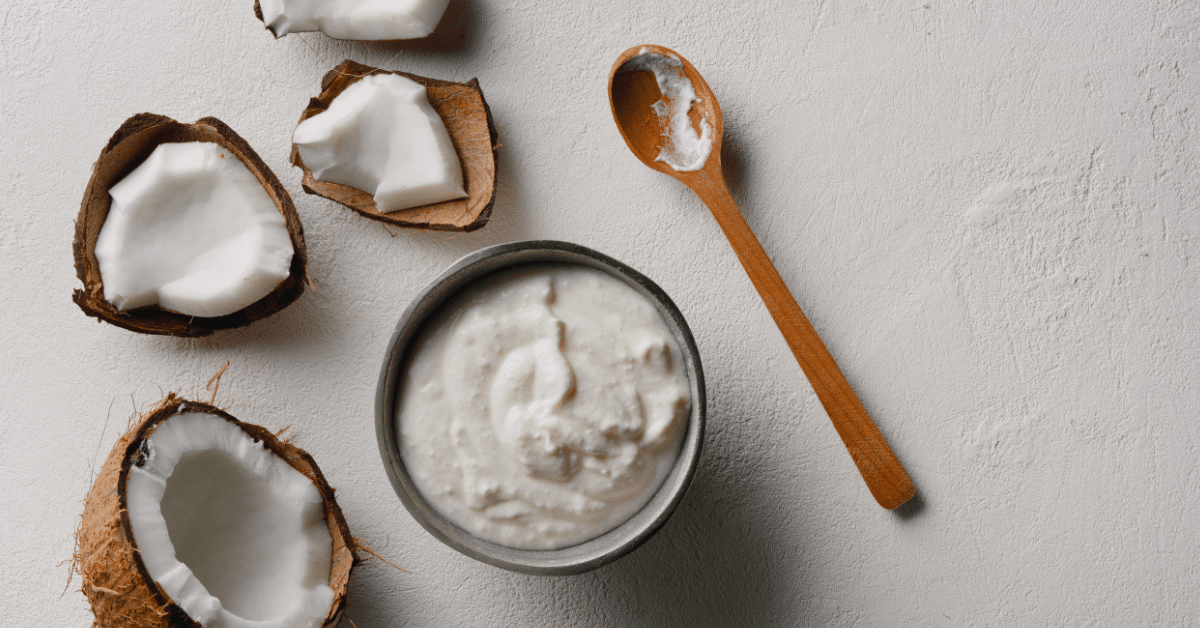
  • 1/2 cup coconut cream (cream only) 
  • 1 cup cocoa powder
  • 1/4 tsp vanilla
  • 2 tbsp maple syrup
  • 1/4 tsp sea salt
  • ¼ tsp ashwagandha (optional)

Directions:

In a saute pan, melt the ghee, coconut cream, and nut butter over low heat. Pour into a bowl with the remaining ingredients. Transfer to the refrigerator and let cool for about an hour. After the chocolate has cooled, roll into balls and place on a plate with parchment paper. You can get creative here: roll the balls into coconut flakes, rose powder, or whatever you feel called to! 🍫

Continue Reading

Vanilla Coconut Sweet Potato Crumble

Blog Featured Image (1200 × 628 px) (1)

As we move into the season of celebrations, we are excited to share this delicious, grounding, and sugar-free Vanilla, Coconut, Sweet Potato Crumble Recipe with you!

In Ayurveda, sweet potatoes are seen as a nourishing, sattvic food—one that promotes peace, balance, and clarity. They help to pacify vata and pitta doshas, making this dish ideal for the cooler months when we crave warmth and comfort.

This crumble combines the richness of sweet potatoes, creamy coconut, and ghee (or coconut oil), supporting your body’s digestion and immunity while indulging your senses. Topped with pecans and coconut flakes, it's a decadent, yet wholesome option that aligns perfectly with Ayurvedic principles—balancing sweetness with grounding fats and spices like cinnamon and cardamom to boost digestion without overloading on sugar.

Vanilla Coconut Sweet Potato Crumble

Ingredients for the Sweet Potato Filling:

  • 3-4 medium-sized sweet potatoes, chopped (you can peel them if you’d like, but I prefer to keep the skin on for the extra fiber!)
  • ⅓ cup full fat coconut milk
  • 3 Tbsp ghee or coconut oil
  • 2 Tbsp coconut butter
  • ¼ cup pure maple syrup
  • 1 tsp salt
  • 1 tsp cinnamon
  • 1 tsp vanilla bean

Ingredients for the Pecan Topping:

  • 2 cups pecans, chopped (or kept whole for extra decadence)
  • ½-¾ Cup unsweetened coconut flakes
  • 2 Tbsp ghee or coconut oil
  • 3 Tbsp pure maple syrup
  • 1 tsp cinnamon
  • ¼ tsp cardamom
  • pinch salt

Directions:

For the sweet potato:

  • Place sweet potatoes in a large pot, cover with water, and bring to a boil. Allow them to boil until they are completely soft (about 15 minutes). Drain and transfer to a food processor. (You can also mash/mix by hand if you do not have a food processor). Add the remaining ingredients (for the mash) to the food processor and blend until it’s smooth or has reached your desired consistency.
  • Pour mash into an 8×8 baking dish. Use a spoon to smooth out the surface.

For the topping:

  • Preheat the oven to 375 degrees. In the meantime, in a medium-sized bowl, combine all of the topping ingredients. Mix well and spread over the sweet potato mash.
  • Cover with foil and bake for 20 minutes at 375 degrees.
  • Remove foil and bake for another 20-25 minutes. Keep an eye on the pecans. If they begin to brown, cover again with the foil.

I hope this recipe nourishes both your body and soul this upcoming holiday season! 🧡

Continue Reading

Holistic Sun Protection and Summer Skincare Tips

This is a picture of a woman in a light white blouse holding her hand up to sheild her face from the sun. It links to a blog post about sun protection and summer skin care tips.

We are entering the late-summer season here in Virginia, and this can be a complicated time for skincare! On one hand, your skin requires more moisture from being dried out due to heat factors, which might also be making you sweat more, which oils up your skin. Throw sun exposure in there and you have a recipe for confusion and potential skin damage.

Don’t let the humidity fool you, even if you live in the tropics, air humidity cannot completely protect your skin from the drying effects of the sun (and the AC). Whatever your skin type, these sun protection and summer skincare protocols will help keep your skin in tip-top shape for the long haul.

Sun Protection From the Inside

Don’t Forget to Drink Water. Skin health starts with deep hydration. 

  • Aim to drink about 2 cups of water an hour. I recommend adding Trace Minerals, electrolytes, or one of these hydrating herbs to your water. These products changed the hydration game for me. 
  • Add a little Aloe Vera juice in the morning to your smoothie or drinking water for more cooling and hydration.
  • Avoiding diuretics like coffee will also help keep you hydrated. If it’s hot outside and the days are long, you might not even need coffee for that morning boost. Experiment with skipping it when the weather is warm. Instead, try drinking an energizing juice with vitamin C to give you a refreshing alkalizing boost in the morning.

Eat for the Sun. Make sure you’re getting Zinc and D3 in your diet. I recommend a liquid D3 supplement under the tongue for maximum absorption. Now you might be thinking: won’t I get vitamin D from the sun? Nope. What we get from the sun are the building blocks so that our body can produce vitamin D. And those special rays that help your body make vitamin D are only out when the sun is at a 30+ degree angle from where you are on Earth. You can use the app DMinder to find out when that vitamin D window is where you are in the world. 

What’s also important to keep in mind is that vitamin D3 offers skin protection and most people are low in Vitamin D3. It’s one of the only vitamins I recommend supplementing with regularly.

Some foods that also provide sun protection from oxidative damage are: polypodium leucotomos (a fern native to South America that you can find in some oral sun supplements), blueberries, carrots, watermelon, aloe, coconut oil, grapes, olive oil, avocados, sweet red peppers, sweet potatoes, sunflower seeds, guava, pomegranate.

Practice. Ayurveda teaches us that when the element of Fire is elevated, like during summer, we not only get physically hot and burnt out, but we’re also prone to heat-based emotions that are intense and sharp, like anger. Sitali breathing is a cooling breath exercise that's perfect for taking it down a notch. Sitala reduces Pitta dosha. I like doing this after a workout while I’m stretching, or when I’m lying down enjoying a face mask.

How to do Sitali Breathing

  • Close your eyes, breathe with awareness in your diaphragm for several minutes, then open the mouth and pucker your lips into an O shape.
  • Curl your tongue lengthwise and project it out of the mouth about 3/4 of an inch.
  • Inhale deeply across the tongue and into the mouth as if drinking through a straw. Notice how your breath feels cooler? Focus on that cool sensation on the tongue.
  • Withdraw the tongue and close the mouth, exhaling completely through the nostrils.
Blog Featured Image (1200 × 628 px) (1) copy

On your Skin

Exfoliate. Powdered coconut milk is a great exfoliant. If your skin is oiler, you can also try chickpea flour, almond flour or powdered honey.

Less is more. Avoid foundation and heavy blush and bronzer if you can, especially if you live in an area that’s already heavy (humid), in addition to being hot. Instead, reach for beautifying serums that have hyaluronic acid, vitamin C and polyphenols. Let your serum dry and then add a lightweight cream or oil. This summer I’ve been using Hanacure’s Nano Emulsion Cream. It’s lightweight enough that it doesn’t clog my pores or cause oiliness, but nourishing enough that it doesn’t leave my skin feeling exposed either. I like layering this under a nice face oil at night.

Cleanse. My skin dries out too easily for me to do mud masks year-round, but when I’m hot, humid and sweaty, my skin actually likes that drying effect that a mud mask provides. Here’s how to do one: Once a week, mix bentonite clay and a little activated charcoal with apple cider vinegar until you get a nice muddy consistency and slather on your face. You can even bring it down your neck and décollete to your breasts and underarms for a detoxing lymphatic mask. Let it completely dry and then rinse it off in the shower. Follow with a hydrating serum, lightweight cream or nourishing oil.

You can also try our Amalaki summer face mask recipe.

Nourish. My favorite summer oils are Rosehip seed oil and Carrot seed oil because they are light. Carrot seed oil also has the benefit of providing a little sun protection.

Protect. 1) Wear a hat & 2) Find a natural mineral sunscreen with zinc oxide and titanium dioxide. Be mindful not to over use sunscreen because it does reduce your body’s ability to make vitamin D3, which ironically you need for skin sun protection. I only wear sunscreen on places that have the most potential for damage: face, décollete, shoulders, upper arms, back of hands, around armpit and behind knees and elbows. I like using Life Extension Shade Factor Mineral Sunscreen in SPF 30.

Mist. This, hands down, is my favorite thing. Misting your face three to six times a day helps keep your skin moisturized (and is the most overlooked but important skincare routine!) and cools you off. Any natural face mister will work, it just requires purified water. Some have floral essence, aloe vera, essential oils and vitamin E; but unless my skin is burnt, I prefer the plain ones best, like the Evian Facial Spray (the fine mist this one emits is perfect). It’ll make you feel like a bougie old French woman (bonjour!), but a little goes a long way and your skin will show the difference. One bottle of Evian spray lasts me 6 months and I’m never found without one.

We hope you love these skincare and sun protection tips! For more practices, techniques and simple recipes for feeling both beautiful inside and out, check out our virtual Ayurvedic spa day workshop here. 

Continue Reading

Amalaki Summer Face Mask Recipe

This is a picture of a plant called Amalaki. It links to an Amalaki summer face mask recipe.

Amalaki (aka Indian Gooseberry, aka Amla) is COOLING. It’s great for pitta tendency people who get overly heated (think menstrual-related acne or loose stool), especially this time of year.⁣⁠ Try this Amalaki summer face mask recipe to cool and cleanse your skin during the hot summer months!
⁣⁣⁠
This herb is also a potent external medicine for hair and skin. Amalaki is a well-known rejuvenate as it gently cleanses the colon, beautifies hair and skin and is an all-around tonic for the organs. In India it's known as a super-food, youth-enhancer!⁣ It's also one of the fruits in Ayurveda's digestive formula, Triphala.⁠
⁠
We recommend getting your amalaki powder through Banyan Botanicals who we know and love! Use code KATIES15 for a discount.⁣

Amalaki Summer Face Mask Recipe:

  1. Chop up finely a sprig of washed parsley (the parsley is optional!)
  2. Crush it up in a mortar and pestle until the juice is coming out (the bottom of the clean jar on a chopping board can suffice if you don’t have one).
  3. Add 2 teaspoons of Amalaki (Amla) powder and hot water to make a wet paste with the crushed parsley.
  4. Add a teaspoon of Manuka honey to the still warm mixture and blend them all together into a paste.
  5. The crushed parsley won’t spread consistently but this doesn’t matter as the hot water will have dispersed its compounds into the paste.
  6. You want your face mask to be the consistency of yogurt, easy to spread but not too watery/runny.

Application Instructions:

  • Apply the paste while it's still warm to freshly cleansed, damp skin.
  • Lie down in your room with mask on for 20-30mins.
  • Wash off with warm water and apply your favorite moisturizer!

This summer face mask recipe is great for blemishes but it may dry out your skin if left on too long or if used during dry months or during dry skin cycles. Use this in humid environments, in the high summer season or if you have oily skin.

If you want to take your summer self-care routine to the next level try sipping on a cooling summer herbal tea or our Rose Water Mocktail while mixing up this summer face mask recipe!

Happy at-home Ayurveda facial-ing! 😎

Continue Reading

Herbal Teas for Plump, Hydrated Skin

This is a picture of herbs and tea in a class. It links to a blog post about Ayurvedic herbal teas for hydrated skin

Maintaining hydrated skin in the summer (and as we age) is an inside job! However, drinking a ton of water will only do so much if your tissues aren’t actually nourished and rejuvenated from within. The demulcent herbs in these herbal teas actually hold lubricants that will plump up the skin full of water (in a youthfulness-boosting way, not a water retention way!) to give you glowing, hydrated skin! 💦

See below for our favorite demulcent herbal teas for deeply hydrated skin:

❤️ Licorice is an anti-aging, nourishment-boosting, ultimate rejuvenation herb (aka a rasayana). Its sweet, cool, and moisturizing effects help rejuvenate and hydrate all 7 tissues. We use this licorice power from Banyan Botanicals. You can use code KATIES15 for a special 15% discount on all of Banyan Botanicals' awesome products!

🌹 Rose helps to balance Sadhaka Pitta (one of the Pitta subdoshas), cooling excess heat in the blood before it erupts in our skin and balancing emotions so they don’t disturb our hearts. On those extra hot days, try our cooling Rose Water Mocktail.

🌺 Hibiscus is soothing and purifying. Its sweet, astringent and cooling properties support healthy, hydrated skin and a clear complexion.

🥀 Rose hips are sour, astringent, and warming which helps reduce vata. Rose hips contain many vitamins that make them beneficial for all skin types and are associated with anti-aging. We love these rose petals from our friends at Paavani Ayurveda.

🏵️ Last but not least, marshmallow root helps store water which helps our skin remain plump and lush. It helps rebuild our body’s water element and also boosts our hair’s lustrousness and growth!

Two other great Ayurvedic practices for glowing, hydrated skin are dry brushing and Abhyanga. Both of these practices increase blood and lymph circulation through self-massage. Learn more about these skin-health-boosting practices in our blog post, Why You Should Dry Brush (or do Abhyanga).

Continue Reading

Ayurvedic Mint, Pistachio and Cilantro Chutney Recipe

This is a picture of a bowl of green chutney. It links to a Ayurvedic Mint, Pistachio and Cilantro Chutney recipe blog post.

This Ayurvedic mint, pistachio and cilantro chutney recipe makes a tasty side or topping rich in herbs and spices that support digestion, detoxification and overall health.

Ayurvedic Mint, Pistachio and Cilantro Chutney Recipe

Ingredients:

  • 1 cup fresh cilantro leaves (finely chopped)
  • 1/2 cup fresh mint leaves (finely chopped)
  • 1/4 cup unsalted pistachios (soaked for 1-2 hours)
  • 1 small green chili (optional, adjust to your heat preference)
  • 1 tablespoon fresh ginger (grated)
  • 1/2 teaspoon cumin seeds (lightly roasted)
  • 1/2 teaspoon fennel seeds (optional, for cooling effect)
  • 1 tablespoon lemon or lime juice (freshly squeezed)
  • 1/2 teaspoon rock salt (or to taste)
  • 1/4 teaspoon black salt (optional for a tangy flavor)
  • 1 tablespoon coconut or olive oil (optional for added smoothness)
  • 2-3 tablespoons water (adjust consistency as needed)

Optional Additions to this Ayurvedic Mint, Pistachio and Cilantro Chutney Recipe:

  • 1/4 teaspoon *turmeric powder: Adds anti-inflammatory properties.
  • 1/2 teaspoon jaggery or raw honey: For balancing Vata and Pitta doshas, adds a touch of sweetness.

*Use code KATIES15 for a special 15% discount on all Banyan Botanical products.⁣

Instructions:

  1. Soak the Pistachios: Soak the pistachios in warm water for about 1-2 hours. This makes them easier to blend and helps release their oils.
  2. Toast the Spices (Optional): In a small pan, lightly toast cumin and fennel seeds until fragrant. Allow them to cool slightly.
  3. Blend Ingredients: In a blender or food processor, add soaked pistachios, cilantro, mint, green chili (if using), ginger, roasted cumin, fennel seeds, rock salt, black salt, lemon or lime juice, and turmeric (if using). Blend until smooth. Add water gradually to reach your desired consistency.
  4. Adjust Seasoning: Taste and adjust salt, lemon juice, or jaggery/honey as needed.
  5. Optional Oil: Add coconut or olive oil for a richer texture. Blend again for a few seconds to incorporate.
  6. Serve: Serve fresh with meals or as a dip. Store in an airtight container in the fridge for up to 3 days.

Ayurvedic Considerations for this Ayurvedic Mint, Pistachio and Cilantro Chutney Recipe:

  • Vata Dosha: Reduce green chili and use a small amount of oil and jaggery/honey to ground Vata.
  • Pitta Dosha: Skip or reduce the chili and black salt, use more mint for cooling, and add fennel seeds to soothe Pitta.
  • Kapha Dosha: Skip the oil, use lime juice instead of lemon, and add more chili and ginger for heat and stimulation.

This chutney could be a great addition to an Ayurvedic spring cleanse or our Instant Pot Kitchari.

Enjoy making this flavorful mint, pistachio and cilantro chutney recipe and pairing it with your meals! 🌱

Continue Reading

Replacing Rules with Rituals and Learning To Truly Care for Myself

By Greer Christos

Blog Featured Image (1200 × 628 px)

I remember the first time I heard Katie say, "In Ayurveda, HOW we eat, is as, if not more important to what we eat.”

BOOM!

My entire body dropped knee length into the mud.

Held, supported... feeling like no matter how much I leaned to one side, mama earth’s wet, warm body had me. I would no longer be pushed over by external forces.

Of course, I wasn’t literally standing in a muddy pond, but I may as well have been.

I thought of alllllll of the times over all of the decades (3 in total!) I had been “battling” with what I should / shouldn’t eat, and “why” I should / shouldn’t be eating what I was.

I reflected on the synchronicities that had played out in the month prior to me going from “Ayur-whaaa?” to signing up to Shakti School Level 1 (& subsequently Level 2) & how the ease of what I was now receiving and truly ‘inner-standing’ (as opposed to ‘understanding) was one of those moments in time where everything shifts.

Despite thousands of hours of self-inquiry, talk-therapy, plant medicine, western-based psychology approaches, new-age/quantum activations, shamanic healings, (insert every healing modality you have heard of), I was still - STILL - struggling with letting go of the eternal-internal narrative of “why” am I STILL over eating and struggling with food addiction?

And whilst the above modalities & experiences had definitely helped with my chronic use of alcohol, drugs and general disassociation from my deeper needs & truth: the “food” thing still had me. And so, when Katie spoke those words in that sweet Southern accent of hers, it l a n d e d.

Yes in my mind, but more so in my body: and even more, in my Sacred heart.

It’s as if the burden of resisting food/bingeing (that I had become so used to carrying around and struggling to keep up above my head so I could continue searching for a way to be able to put it down), simply jumped out of my hands, arms & shoulders and vanished.

And so, for the next few months, I paid particular attention to HOW I was eating.
I stared to notice how I could rush my eating…
How I could hide…

How I could gobble & swallow almost whole…
How I would unconsciously tense my hands under the table when I was wanting a second serve but afraid of being judged…
How I would kid & shame myself about what I had eaten...
And on, and on, and on.

I also dived deeper back in to Geneen Roth’s work which was also really supportive, but what made it HEALING was the synergy of this increased awareness with my gradual, yet consistent and expanding devotion to practicing Dinacharya.

Up until being introduced to dinacharya, I had definitely gone through regular (but not necessarily consistent) waves of, what I had thought of was “self-care” but was actually a regime of exercise, meditation or other physical/mental/energetic practices. These periods had been helpful, activating, inspiring ~ for sure ~ but none of them lasting.

Yet something happened over the following two years, and I started to notice how as I cared for myself in this new way, I started to slow down, drop in, & gain a sense of ‘me’ on a day to day basis.

I would notice the days my skin was dryer, my tongue had more ama, my neti wouldn’t flow, and I would want to head straight to a cacao instead of my lemon-ginger water first thing.

I’d also notice the days I felt luscious, my tongue clear, my neti streamed effortlessly, and I’d embrace a full liter of warm fluids before anything else...

The practices were really great. They really were – and yet, after a while, I started to notice that even though these self-care practices were very nurturing, over time, they started to feel like “have-to’s”.

On the mornings I would have the time & space (I.e. when my 3 children would sleep in), it was wonderful. But sometimes they would wake early, or I would sleep in, & I would become subtly stressed that I wouldn’t have time to ‘get it all done’.

And I started to catch myself ‘rushing’ through my dinacharya. What had started as ritual, was gradually becoming a regime that, if I didn’t “tick off” would produce a subtle tension in my body & mind.
What started as an “ahhhhh” (insert relax tone of voice) was gradually becoming an “eeehhhhhhh” (insert rushed tone of voice).

And then it HIT me!!!

Just like food, HOW I practice my dinacharya is AS, if not MORE important than “what I do” for my dinacharya. And THAT, changed everything.

I suddenly realized that I don’t need to do it all. Sure, it’s great when I can. But if I find myself rushing, then I slow. If I find myself going on autopilot, I pause. I drop in to my body, & I open my heart, and ask,

“What is it I really need right this morning? In this moment?”

HOW could I love myself FULLY right, here, now?

Quite often, it’s just one or two practices done mindfully, heartfully.

S l o w l y.

And, perhaps unsurprisingly, it’s been since I’ve shifted HOW I self-care, that my relationship with food has truly healed.

Sure, sometimes I catch myself rushing, not fully chewing, etc. etc., but it happens so much less often. And when it does, I catch myself sooner, so there’s less fallout/casualties, and as I start my mornings in this slow & oh-so-yummy tempo,that echoes through my day which slows me down in all areas. And because I’m not rushing, I’ve got clarity of thought. I’m more patient with my kids. I can open more in my love-making.

And life, 
Once again,
Becomes Sacred.

About Greer

Greer is a Feminine Embodiment Guide, Conscious Relationship Coach, & Ayurvedic Wellness Counselor. Greer specializes in supporting women rise from depletion & overwhelm to reclaim their juicy, authentic self & cultivate sacred ritual as a way of life.

She currently resides in Tasmania, Australia where she’s raising her young family. She works alongside her husband Aaron in their business Tantra for Parents; offering a range of online & in-person workshops, Ceremonies, mentorships & retreats. You can find more info at her website at www.tantraforparents.com.


Continue Reading

Pitta-Friendly Summer Mocktail ft. Heart-Healing ROSE Water

Blog Featured Image (1200 × 628 px)

Wondering what to sip this summer that’s not going to dampen your agni but that’s still a little indulgent and fun?

(To my down-under ladies, you can enjoy this too, especially if you have more PITTA aka fire in your constitution!)

This cooling, goddess-worthy bev is perfect for when you wanna sip something cooling but still delicious, enjoy a mocktail, or get a hydrating boost on a hot summer afternoon.

The recipe makes 1 so be sure to double or triple if making it for friends 😉

Ingredients to help soothe inner heat while gently supporting agni:

🥀Rose Water

Rosewater is mildly astringent which gives it a cooling property both topically and internally. It’s great for balancing excess heat, aka pitta dosha in the digestive system, helping to aid digestive discomfort, bloating and heartburn.

Plus there’s nothing more nourishing to the subtle heart center than ingesting rose!

(See below on how to whip up your own rose water at home.)

🍋Lemon

If you’re not-so-new to Ayurveda you’ll know that warm lemon water is a key part of a traditional Ayurvedic morning routine—this is because lemon has a powerful agni boosting effect (meaning, it’s a major digestion helper!). Lemon gives our stomach the signal to start creating digestive juices and tells our liver to produce bile, both of which can help ease indigestion.

🍁Maple Syrup

Maple syrup encompasses the “sweet” quality in Ayurveda (plus, it’s derived from actual SAP - ojas boost, anyone?). The sweet taste soothes Pitta and Vata but can be a little aggravating to Kapha, so feel free to sub in some raw honey if you’re dealing with a Kapha imbalance.

Ingredients (makes one serving):

  • 2 tablespoons of rosewater (see how to make your own below or purchase rosewater already made!)
  • Juice from 1/2 lemon
  • 1 tablespoon good quality maple syrup
  • 1 cup plain seltzer (or sub in hibiscus infusion)
  • Optional garnish: cucumber, mint, orange, strawberries, etc.!

Directions:

Step 1. Make the rose water: add 1 teaspoon rose powder to a jar or glass measuring cup. Pour 1 cup boiling water over it. Allow to sit for 30 minutes then strain with a fine mesh strainer.

Step 2. Once cooled, add 2 tablespoons of rosewater into your mocktail glass.

Step 3. Add juice from 1/2 lemon.

Step 4. Add 1 tbsp good quality maple syrup. Stir up ingredients to combine.

Step 5. Top with 1 cup plain seltzer (or alternatively a chilled hibiscus infusion if you want to avoid seltzer!)

Garnish with a few cucumber slices, mint leaves, or orange slices!

Sip and stay cool 😎

Continue Reading
  • « Go to Previous Page
  • Page 1
  • Page 2
  • Page 3
  • Page 4
  • Page 5
  • Page 6
  • Go to Next Page »

Footer Hero Widget

theshaktischool

TheShaktiSchool

Ayurveda views premenstrual symptoms as the manife Ayurveda views premenstrual symptoms as the manifestation of a doshic imbalance. Menstrual symptoms can reflect imbalance in any of the doshas, but typically, the premenstrual period is linked to vata and pitta dosha—things can get too dry, too heated or too emotional.⁠
⁠
It’s especially important to tend to vata dosha during the luteal phase, the couple of weeks that precede your bleed. Tending to vata during this time means grounding, stabilizing and soothing the nervous system. ⁠
⁠
Here are some Ayurvedic recommendations for your luteal phase:⁠
⁠
🍠 Eating For Your Luteal Phase⁠
⁠
• Root vegetables - Carrots, parsnips, beets and sweet potatoes are deeply nourishing and grounding, helping to counter vata anxiety ⁠
• Ghee and healthy fats - Supports healthy hormones and nutrient absorption⁠
• Steamed greens - Leafy greens offer vital nutrients and their bitterness and astringent qualities counter pitta’s heat⁠
• Warm, cooked grains - Steady nourishment for smooth digestion and steady agni⁠
• Soups and stews - Supports digestion and the nervous system at the same time—also beneficial for kapha types and kapha imbalances⁠
⁠
🌿 Supportive Herbs & Spices⁠
⁠
• Turmeric - Helps support the body’s detoxification pathways, aiding hormone regulation⁠
• Ginger - Kindles agni and steadies digestion⁠
• Ashwagandha - Provides essential nervous system steadiness through emotional waves⁠
• Shatavari - Supports women’s hormonal balance; is cooling and moistening⁠
• Brahmi - An Ayurvedic herb known for supporting mental ease and balance⁠
• Cumin - Digestive aid soothing vata (aka goodbye gassiness!)⁠
• Fennel - Cooling digestive support that helps reduce both vata and pitta ⁠
• Coriander - Pitta-reducing to help mitigate irritability and excess heat⁠
• Sesame Seeds - Contain essential minerals and fatty acids that promote hormonal balance⁠
• Fenugreek - Anti-inflammatory qualities may help ease menstrual discomfort⁠
• Mint - Helps to cool and aid digestion, balancing both pitta and vata⁠
⁠
🥀 Save for your next grocery trip during your luteal phase! And if you’re ready for more, comment WISDOM to access our free Divine Feminine Ayurveda course now.
Are you ready to embrace another year of healing, Are you ready to embrace another year of healing, spirit and transformation that fits seamlessly into your busy life? ⁠
⁠
We've gotten started with a couple amazing classes, alongside a beautiful community of women, that are waiting for you as soon as you sign up!⁠
⁠
Level 2 is so special because it’s a much smaller group - this means more opportunity to get to know your cohort (aka Ayurveda best-gal-pals) and the teachers. A more intimate group really gives Level 2 a distinct feel that we absolutely love. And of course, the opportunity to take your studies to the next level!⁠
⁠
Our 2026 Level 2 classes are now in session, and you can start immediately! The first couple of classes of the year are in the Shakti classroom now, waiting for you. Don't miss this opportunity to integrate all that you learned in Level 1 and go deeper into your practice.⁠
⁠
The doors will soon close until 2027... if you've been considering deepening your learning, connecting with an incredible community and supporting your own healing, join us today. 🦋🗝️
Ayurveda doesn’t separate the body into isolated Ayurveda doesn’t separate the body into isolated systems. When you support digestion, you support hormones. When you calm inflammation, you calm the mind. These herbs are working on multiple layers at once, gently guiding the body back into balance.

Here are some foundational herbal helpers to keep in mind for common imbalances:

🫚 For digestion:
• Triphala cleanses, tones the gut and supports elimination
• Trikatu is hot, sharp and activating, cutting through ama
• Hing is pungent and penetrating, breaking up gas and stagnation
• Ginger is warming, helping digestion come online
• Ajwain is a carminative, clearing bloating from the digestive tract

🌿 For inflammation:
• Turmeric moves through the blood, helping clear heat and stagnation
• Guduchi is cooling, restorative and calming
• Amalaki is rejuvenative and cooling, supporting the blood and skin
• Licorice is sweet and soothing, coating irritated tissues and calming the gut and lungs
• Aloe vera is cooling and moistening, pulling heat out of the system

🌀For the nervous system:
• Ashwagandha is grounding, stabilizing and supports the stress response
• Shankhpushpi is calming, clarifying and helps ease anxiety
• Jatamansi helps settle excess vata and support emotional regulation

🧠For mental clarity:
• Brahmi is light and sattvic, clearing mental fog and supporting memory and focus
• Gotu kola supports circulation to the brain, helping create steady, grounded clarity
• Saffron is subtle and uplifting, supporting mood and perception
• Tulsi clears the mind and invigorates the respiratory system, increasing alertness
• Rosemary is aromatic and stimulating, helping wake up the mind and sharpen concentration

🌹 If you’re ready to dive deeper into this work, comment WISDOM for our free Women’s Wisdom and Ayurveda mini-course. 

✨ Calling all Level 1 Graduates - the first classes of our Level 2 Ayurvedic Health Counselor Training are waiting for you inside the virtual classroom and this is the final call to get in the door. Comment “LEVEL2” (one word) to learn more.
Happy Mother’s Day to the mothers, the ones who Happy Mother’s Day to the mothers, the ones who long to be mothers, the ones navigating complicated or tender relationships with their mothers, and the ones learning to mother themselves in new ways. 🌺⁠
⁠
Today we’re honoring the mothers of Team Shakti—the women who shaped us, held us, challenged us and loved us. When we asked our team to describe their mothers, these are just a few of the words that surfaced: generous, earth-conscious, devoted, vibrant, kind, thoughtful, adventurous, loving, supportive.⁠
⁠
We’re also honoring the universal, inner threads that are woven through this holiday and offer something that we can each lean into, no matter our personal stories: the archetype of the Divine Mother. The Inner Mother who lives in all of us.⁠
⁠
Reconnecting with this archetype allows us to become better mothers to ourselves, more compassionate in how we show up for others, and to begin healing the ancestral cords we carry from the lineage of women who came before us.⁠
⁠
Today we are honoring all of it. The love, the complexity and the becoming. Happy Mother’s Day from Katie & Team Shakti! 💐💚✨🌸 Spread the love with us - share a photo of your mom or your stories and make sure to tag us so that we can reshare it!
We are currently being overloaded with pollen over We are currently being overloaded with pollen over here on the East Coast and it’s got me thinking about how we can all navigate allergy season with a little more support…

Allergies are a typical imbalance associated with Kapha season in Ayurveda (late-winter/early spring in the Northern Hemisphere). 💐

Ayurveda understands that allergies are the result of an outer allergen aggravating one of the doshas. Spring seasonal allergies are usually more Kapha-related, since Kapha dominates the environment this time of year. 

An excess of Kapha dosha = sluggishness, mucous and water retention. (Read: classic allergy symptoms). 🤧

🐝 This is the formula for aiding your Kapha seasonal allergies: 
👉🏽 Heat things up + boost circulation + clear and CLEANSE your bodies’ pathways.

Allergies don’t have to be your destiny. Reducing the effects of allergies comes down to boosting agni + reducing ama +  supporting immunity. 

Save this for allergy rescue. And let us know what makes the biggest difference for you this time of year. 🫡🌸

Footer

© 2026 Shakti School

  • FAQ
  • Privacy Policy
  • Terms and Conditions
  • Advocacy
  • Find a Coach
  • Login
  • Katie's Books
  • Contact and Support

Get the Shakti Letter love, katie