• Skip to main content

The Shakti School

Feminine Form Sacred Technology

  • About
  • Blog
  • Glow-Worthy
  • Ayurveda
  • Subscribe
  • Podcast
  • Book a Call
  • Calendar
  •  

[email protected]

Rose + Mint Sun Tea

Blog Featured Image (1200 × 628 px) (1)

For this recipe, just let the sun do the steeping. 🌞 Steep dried rose petals and fresh mint in a glass jar under direct sunlight for a few hours. (No need to measure perfectly - just add what you’ve got on hand!) Sip room temperature or slightly chilled throughout the day to stay hydrated and soothe Pitta. What do you get? A cooling, heart-opening, Pitta-pacifying potion that’s as beautiful as it is nourishing.⁠
⁠
Here’s a little bit about how these plant allies help support us during the warmer months of the year…⁠
⁠
🌹 Rose - The ultimate flower of the Divine Feminine:⁠
⁠
• Cools the heat of both the body and our emotions (hi, Pitta spiciness 😅)⁠
• Soothes the heart and uplifts mood with its subtle, floral sweetness⁠
• Some studies have demonstrated that rose also has the potential to support the reproductive and nervous systems, and even impact dopamine levels⁠
⁠
🌿 Mint - The crisp, clarifying herb we all need in summer:⁠
⁠
• Helps to clear excess heat and inflammation from the gut and skin⁠
• Stimulates digestion without aggravating Pitta (exactly what we want!)⁠
• Awakens the mind while calming overactive fire in the head + heart 🔥⁠

Sip this floral elixir all day long to stay hydrated, radiant and keep your Pitta chilled out. Your inner fire goddess will thank you. 🧘🏼‍♀️

Continue Reading

Homemade Coconut Yogurt

Blog Featured Image (1200 × 628 px) (1)

Coconut Yogurt is so delicious and easy to make. It is one of my favorite things to top onto mung daal (if using for savory dishes, exclude the vanilla and maple syrup) or to eat with berries and nuts! Plus, it helps keep the digestive system in check. I especially love it around the early spring/summer months. ⁠
⁠
Add coconut milk, probiotic capsules, vanilla bean and maple syrup to your shopping list—it’s the perfect time to make this cool, sweet recipe! 🥄

Ingredients: 

  • 1 14-ounce can of full fat coconut milk or 1 can of heavy coconut whipping cream
  • 2 capsules of your favorite probiotics
  • 1 tbsp vanilla bean powder
  • 1 tbsp maple syrup (optional)
  • Dash of sea salt

Instructions:

  • Add the coconut milk to a food processor or blender and blend until it is all one consistency. Pour into a glass jar.
  • Empty your probiotic capsules into the yogurt and stir until smooth.
  • Cover the jar with a cheesecloth and a rubber band to secure.
  • Let the yogurt sit on your countertop for at least 24 hours (up to 48 hours is okay).
  • Once the yogurt has reached a thick consistency, add the remaining ingredients and store in the refrigerator. Yogurt will get thicker while it is in the refrigerator as well.
Continue Reading

Butternut Squash and Roasted Apple Soup

Blog Featured Image (1200 × 628 px) (1)

This has to be one of my all time favorite soups to make around the fall/winter season. It’s an absolutely perfect combination of flavors: savory, sweet, and a tiny bit of spice. And it’s creamy texture makes me feel like I'm being draped in a warm cozy blanket! If this sounds like too much for a soup to live up to, believe me, it’s not. You must try it!

In Ayurveda, we love talking about food flavor combinations. As many of you reading this may know already, Fall and Winter (in the Northern Hemisphere) tend to have a more drying and cooling effect on the body. This can often affect our sleeping patterns, the quality of our skin, and possibly throw our digestion off. This soup will help to target all of your autumnal needs. With the sweetness of the butternut and apple and the spiciness of the ginger and cayenne, you will feel warm and nourished in no time.

Ingredients: 

  • 1 large butternut squash
  • 1 medium sized carrot
  • 1 medium sized turnip
  • 2-4 tablespoons ghee
  • 1 tsp cumin
  • 1 tsp cinnamon
  • 1 tsp turmeric
  • 1 tsp curry powder
  • 1 tsp cayenne pepper
  • 1 teaspoon sea salt
  • 1 teaspoon black pepper
  • 2 apples (local if possible)
  • 1 large onion, peeled and finely chopped
  • 3 cloves garlic cloves (whole)
  • 1 tbsp minced ginger
  • 4 cups vegetable stock or bone broth
  • 1 sprig fresh rosemary

Directions:

Start by cutting your butternut squash in half, scoop out the seeds and place on a baking sheet lined with parchment paper. Chop the apples, carrot, turnip and the onion (no need to cut them too small) and add them to the baking sheet. Cover everything generously with the spices (except the fresh ginger and rosemary) and the whole garlic cloves.

Bake for 30-35 minutes at 420 degrees.

Add all the ingredients and the ginger to a food processor and blend on high until smooth.

For Serving:

Heat a small amount of ghee in a pan with pumpkin seeds, a dash of cinnamon, and rosemary until lightly toasted. Top with your soup and serve with crusty sourdough bread! 🧡🥖

Continue Reading

Curried Quinoa and Chickpeas

Blog Featured Image (1200 × 628 px) (1)

What I love about this meal is that it is not only easy, but it is also so satisfying and nourishing. I usually make it in the morning while I am making breakfast in order for it to be perfectly cooked by lunchtime. It saves really well too.

Ingredients:

  • 1/2 tsp cumin seeds
  • 1/2 tsp fennel
  • 1/2 tsp turmeric
  • 1/4 tsp allspice
  • 1/2 tsp salt & pepper
  • 1-2 tbsp ghee
  • 1 cup chickpeas (either canned or prepared ahead of time, *see note below)
  • 1/2 cup quinoa
  • 1-2 medium sized carrots (chopped)
  • 3/4 cups broccoli florets

*Note on chickpeas: it's best not to get in the habit of using canned legumes, however there are certain brands that carefully soak and prepare their products and I prefer to seek those out. I love Westbrae Organic Garbanzo Beans

Directions:

Get ready for the easiest meal ever. First, rinse your quinoa with water by using a fine mesh strainer.

In any type of rice cooker (see note below if you do not own a rice cooker), add the quinoa and all of the remaining ingredients. Refer to the cooking instructions on whatever brand of quinoa you have chosen for the appropriate liquid amount. For the liquid, I like to use either spring water or vegetable/bone broth. Let cook on the rice setting until it's finished.

So easy, right?

For Preparing:

My favorite way to eat this dish is by topping it with avocado, fresh herbs, juice of a lemon, and a spoonful of tahini. 

*If you do not own a rice cooker, don't worry, this dish is just as easy done in a cooking pot with a lid. Follow the same instructions, except add all ingredients to a pot. Cover with your liquid and bring to a boil. Once it's boiling, reduce heat to a simmer, cover with the lid, and allow to cook for 15 minutes. Remove from the heat and let sit for an additional 5 minutes.

Continue Reading

Chocolate Truffles

Blog Featured Image (1200 × 628 px) (1)

Ingredients:

  • 1 cup cup peanut or almond butter
  • 2 tbsp ghee
  • 1/2 cup coconut cream (cream only) 
  • 1 cup cocoa powder
  • 1/4 tsp vanilla
  • 2 tbsp maple syrup
  • 1/4 tsp sea salt
  • ¼ tsp ashwagandha (optional)

Directions:

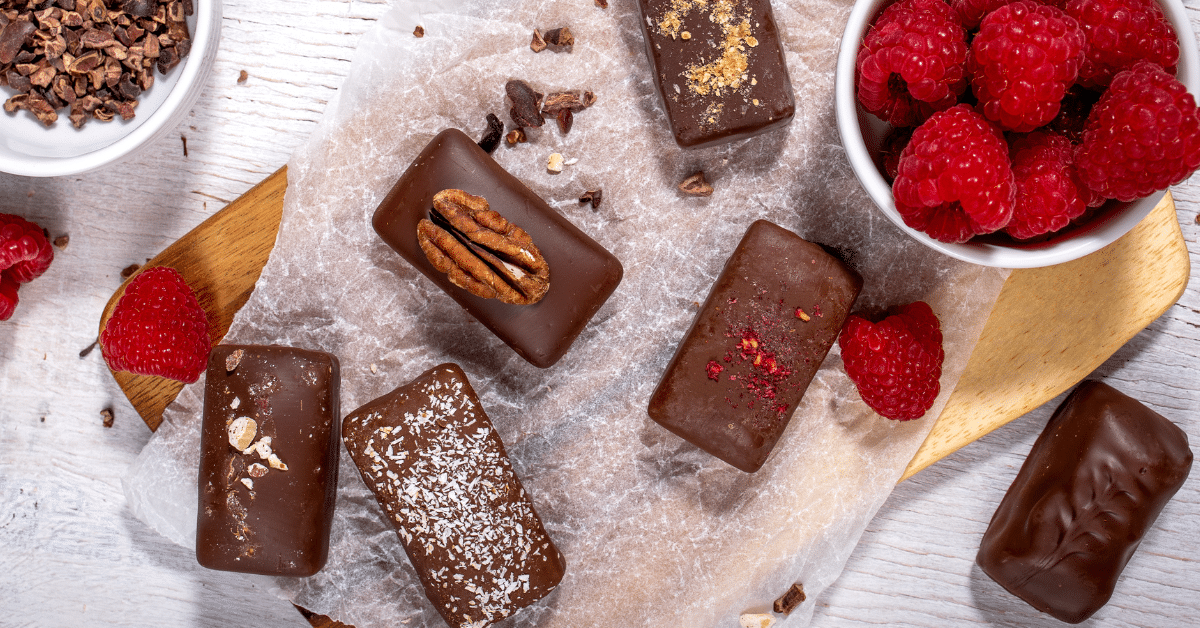
In a saute pan, melt the ghee, coconut cream, and nut butter over low heat. Pour into a bowl with the remaining ingredients. Transfer to the refrigerator and let cool for about an hour. After the chocolate has cooled, roll into balls and place on a plate with parchment paper. You can get creative here: roll the balls into coconut flakes, rose powder, or whatever you feel called to! 🍫

Continue Reading

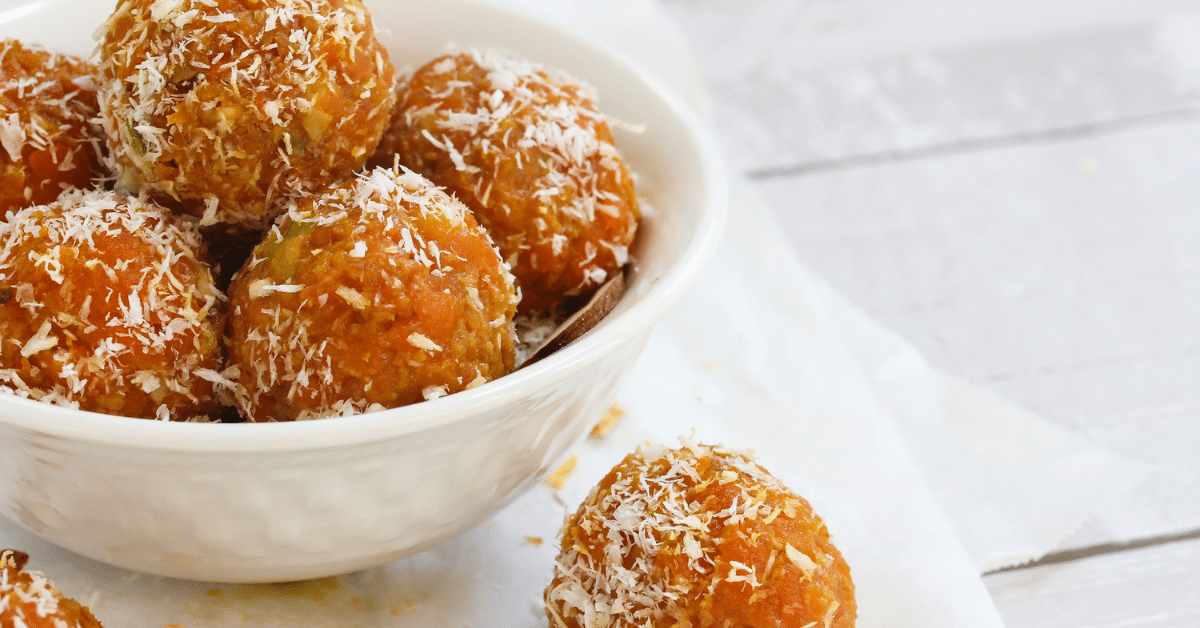
Vanilla Coconut Sweet Potato Crumble

Blog Featured Image (1200 × 628 px) (1)

As we move into the season of celebrations, we are excited to share this delicious, grounding, and sugar-free Vanilla, Coconut, Sweet Potato Crumble Recipe with you!

In Ayurveda, sweet potatoes are seen as a nourishing, sattvic food—one that promotes peace, balance, and clarity. They help to pacify vata and pitta doshas, making this dish ideal for the cooler months when we crave warmth and comfort.

This crumble combines the richness of sweet potatoes, creamy coconut, and ghee (or coconut oil), supporting your body’s digestion and immunity while indulging your senses. Topped with pecans and coconut flakes, it's a decadent, yet wholesome option that aligns perfectly with Ayurvedic principles—balancing sweetness with grounding fats and spices like cinnamon and cardamom to boost digestion without overloading on sugar.

Vanilla Coconut Sweet Potato Crumble

Ingredients for the Sweet Potato Filling:

  • 3-4 medium-sized sweet potatoes, chopped (you can peel them if you’d like, but I prefer to keep the skin on for the extra fiber!)
  • ⅓ cup full fat coconut milk
  • 3 Tbsp ghee or coconut oil
  • 2 Tbsp coconut butter
  • ¼ cup pure maple syrup
  • 1 tsp salt
  • 1 tsp cinnamon
  • 1 tsp vanilla bean

Ingredients for the Pecan Topping:

  • 2 cups pecans, chopped (or kept whole for extra decadence)
  • ½-¾ Cup unsweetened coconut flakes
  • 2 Tbsp ghee or coconut oil
  • 3 Tbsp pure maple syrup
  • 1 tsp cinnamon
  • ¼ tsp cardamom
  • pinch salt

Directions:

For the sweet potato:

  • Place sweet potatoes in a large pot, cover with water, and bring to a boil. Allow them to boil until they are completely soft (about 15 minutes). Drain and transfer to a food processor. (You can also mash/mix by hand if you do not have a food processor). Add the remaining ingredients (for the mash) to the food processor and blend until it’s smooth or has reached your desired consistency.
  • Pour mash into an 8×8 baking dish. Use a spoon to smooth out the surface.

For the topping:

  • Preheat the oven to 375 degrees. In the meantime, in a medium-sized bowl, combine all of the topping ingredients. Mix well and spread over the sweet potato mash.
  • Cover with foil and bake for 20 minutes at 375 degrees.
  • Remove foil and bake for another 20-25 minutes. Keep an eye on the pecans. If they begin to brown, cover again with the foil.

I hope this recipe nourishes both your body and soul this upcoming holiday season! 🧡

Continue Reading

Holistic Sun Protection and Summer Skincare Tips

This is a picture of a woman in a light white blouse holding her hand up to sheild her face from the sun. It links to a blog post about sun protection and summer skin care tips.

We are entering the late-summer season here in Virginia, and this can be a complicated time for skincare! On one hand, your skin requires more moisture from being dried out due to heat factors, which might also be making you sweat more, which oils up your skin. Throw sun exposure in there and you have a recipe for confusion and potential skin damage.

Don’t let the humidity fool you, even if you live in the tropics, air humidity cannot completely protect your skin from the drying effects of the sun (and the AC). Whatever your skin type, these sun protection and summer skincare protocols will help keep your skin in tip-top shape for the long haul.

Sun Protection From the Inside

Don’t Forget to Drink Water. Skin health starts with deep hydration. 

  • Aim to drink about 2 cups of water an hour. I recommend adding Trace Minerals, electrolytes, or one of these hydrating herbs to your water. These products changed the hydration game for me. 
  • Add a little Aloe Vera juice in the morning to your smoothie or drinking water for more cooling and hydration.
  • Avoiding diuretics like coffee will also help keep you hydrated. If it’s hot outside and the days are long, you might not even need coffee for that morning boost. Experiment with skipping it when the weather is warm. Instead, try drinking an energizing juice with vitamin C to give you a refreshing alkalizing boost in the morning.

Eat for the Sun. Make sure you’re getting Zinc and D3 in your diet. I recommend a liquid D3 supplement under the tongue for maximum absorption. Now you might be thinking: won’t I get vitamin D from the sun? Nope. What we get from the sun are the building blocks so that our body can produce vitamin D. And those special rays that help your body make vitamin D are only out when the sun is at a 30+ degree angle from where you are on Earth. You can use the app DMinder to find out when that vitamin D window is where you are in the world. 

What’s also important to keep in mind is that vitamin D3 offers skin protection and most people are low in Vitamin D3. It’s one of the only vitamins I recommend supplementing with regularly.

Some foods that also provide sun protection from oxidative damage are: polypodium leucotomos (a fern native to South America that you can find in some oral sun supplements), blueberries, carrots, watermelon, aloe, coconut oil, grapes, olive oil, avocados, sweet red peppers, sweet potatoes, sunflower seeds, guava, pomegranate.

Practice. Ayurveda teaches us that when the element of Fire is elevated, like during summer, we not only get physically hot and burnt out, but we’re also prone to heat-based emotions that are intense and sharp, like anger. Sitali breathing is a cooling breath exercise that's perfect for taking it down a notch. Sitala reduces Pitta dosha. I like doing this after a workout while I’m stretching, or when I’m lying down enjoying a face mask.

How to do Sitali Breathing

  • Close your eyes, breathe with awareness in your diaphragm for several minutes, then open the mouth and pucker your lips into an O shape.
  • Curl your tongue lengthwise and project it out of the mouth about 3/4 of an inch.
  • Inhale deeply across the tongue and into the mouth as if drinking through a straw. Notice how your breath feels cooler? Focus on that cool sensation on the tongue.
  • Withdraw the tongue and close the mouth, exhaling completely through the nostrils.
Blog Featured Image (1200 × 628 px) (1) copy

On your Skin

Exfoliate. Powdered coconut milk is a great exfoliant. If your skin is oiler, you can also try chickpea flour, almond flour or powdered honey.

Less is more. Avoid foundation and heavy blush and bronzer if you can, especially if you live in an area that’s already heavy (humid), in addition to being hot. Instead, reach for beautifying serums that have hyaluronic acid, vitamin C and polyphenols. Let your serum dry and then add a lightweight cream or oil. This summer I’ve been using Hanacure’s Nano Emulsion Cream. It’s lightweight enough that it doesn’t clog my pores or cause oiliness, but nourishing enough that it doesn’t leave my skin feeling exposed either. I like layering this under a nice face oil at night.

Cleanse. My skin dries out too easily for me to do mud masks year-round, but when I’m hot, humid and sweaty, my skin actually likes that drying effect that a mud mask provides. Here’s how to do one: Once a week, mix bentonite clay and a little activated charcoal with apple cider vinegar until you get a nice muddy consistency and slather on your face. You can even bring it down your neck and décollete to your breasts and underarms for a detoxing lymphatic mask. Let it completely dry and then rinse it off in the shower. Follow with a hydrating serum, lightweight cream or nourishing oil.

You can also try our Amalaki summer face mask recipe.

Nourish. My favorite summer oils are Rosehip seed oil and Carrot seed oil because they are light. Carrot seed oil also has the benefit of providing a little sun protection.

Protect. 1) Wear a hat & 2) Find a natural mineral sunscreen with zinc oxide and titanium dioxide. Be mindful not to over use sunscreen because it does reduce your body’s ability to make vitamin D3, which ironically you need for skin sun protection. I only wear sunscreen on places that have the most potential for damage: face, décollete, shoulders, upper arms, back of hands, around armpit and behind knees and elbows. I like using Life Extension Shade Factor Mineral Sunscreen in SPF 30.

Mist. This, hands down, is my favorite thing. Misting your face three to six times a day helps keep your skin moisturized (and is the most overlooked but important skincare routine!) and cools you off. Any natural face mister will work, it just requires purified water. Some have floral essence, aloe vera, essential oils and vitamin E; but unless my skin is burnt, I prefer the plain ones best, like the Evian Facial Spray (the fine mist this one emits is perfect). It’ll make you feel like a bougie old French woman (bonjour!), but a little goes a long way and your skin will show the difference. One bottle of Evian spray lasts me 6 months and I’m never found without one.

We hope you love these skincare and sun protection tips! For more practices, techniques and simple recipes for feeling both beautiful inside and out, check out our virtual Ayurvedic spa day workshop here. 

Continue Reading

Amalaki Summer Face Mask Recipe

This is a picture of a plant called Amalaki. It links to an Amalaki summer face mask recipe.

Amalaki (aka Indian Gooseberry, aka Amla) is COOLING. It’s great for pitta tendency people who get overly heated (think menstrual-related acne or loose stool), especially this time of year.⁣⁠ Try this Amalaki summer face mask recipe to cool and cleanse your skin during the hot summer months!
⁣⁣⁠
This herb is also a potent external medicine for hair and skin. Amalaki is a well-known rejuvenate as it gently cleanses the colon, beautifies hair and skin and is an all-around tonic for the organs. In India it's known as a super-food, youth-enhancer!⁣ It's also one of the fruits in Ayurveda's digestive formula, Triphala.⁠
⁠
We recommend getting your amalaki powder through Banyan Botanicals who we know and love! Use code KATIES15 for a discount.⁣

Amalaki Summer Face Mask Recipe:

  1. Chop up finely a sprig of washed parsley (the parsley is optional!)
  2. Crush it up in a mortar and pestle until the juice is coming out (the bottom of the clean jar on a chopping board can suffice if you don’t have one).
  3. Add 2 teaspoons of Amalaki (Amla) powder and hot water to make a wet paste with the crushed parsley.
  4. Add a teaspoon of Manuka honey to the still warm mixture and blend them all together into a paste.
  5. The crushed parsley won’t spread consistently but this doesn’t matter as the hot water will have dispersed its compounds into the paste.
  6. You want your face mask to be the consistency of yogurt, easy to spread but not too watery/runny.

Application Instructions:

  • Apply the paste while it's still warm to freshly cleansed, damp skin.
  • Lie down in your room with mask on for 20-30mins.
  • Wash off with warm water and apply your favorite moisturizer!

This summer face mask recipe is great for blemishes but it may dry out your skin if left on too long or if used during dry months or during dry skin cycles. Use this in humid environments, in the high summer season or if you have oily skin.

If you want to take your summer self-care routine to the next level try sipping on a cooling summer herbal tea or our Rose Water Mocktail while mixing up this summer face mask recipe!

Happy at-home Ayurveda facial-ing! 😎

Continue Reading
  • « Go to Previous Page
  • Page 1
  • Page 2
  • Page 3
  • Page 4
  • Interim pages omitted …
  • Page 6
  • Go to Next Page »

Footer Hero Widget

theshaktischool

TheShaktiSchool

The nervous system is the sacred home of Vata dosh The nervous system is the sacred home of Vata dosha - the energy of movement, change and communication within the body. When Vata is balanced, prana (life force) flows freely and we feel calm, creative and centered. But when life moves too fast (like too much screen time, coffee, cold food, rushing or stress) Vata becomes disturbed, and the nervous system forgets how to rest.⁠
⁠
This is when we feel anxious, ungrounded or exhausted—living from the sympathetic (fight/flight) side of the nervous system instead of our parasympathetic (rest/digest) home base. ⁠
⁠
Ayurveda offers simple, embodied ways to bring Vata and the nervous system back into balance through food, breath, movement and lifestyle routines.⁠
⁠
Join me for a free live webinar: Healing the Nervous System with Somatic Ayurveda, where you’ll learn how to reduce Vata and restore calm through body, breath, herbs and feminine-form practices.⁠
⁠
💛 Comment SOMATIC below to get the link to join us for this free live class.
When I lost my home in a fire, there was one simpl When I lost my home in a fire, there was one simple breath practice that absolutely saved me. This breath practice helps us move the heavy energy of grief through our body instead of holding it inside. 

Grief lives in the lungs according to Ayurveda, and this one powerful way to start moving that energy right now.

I’ll be teaching the full practice in our FREE class next Tuesday, Nov. 11th at 11am ET—Healing the Nervous System with Somatic Ayurveda.

Comment SOMATIC for the link to register. 🌬️💗
Ayurveda sees each phase of the menstrual cycle as Ayurveda sees each phase of the menstrual cycle as a unique expression of energy, emotion and physiology. 🌙

During your menstrual and follicular phases, your body is calling for grounding and rebuilding. 

Think: ghee, sea salt, olives, nut butters and omega-3 rich foods (or fish oil). Add in sweet and mineral-rich tastes like maple syrup, miso and shatavari to restore vitality and replenish ojas—your body’s deep reserves of vitality and strength.

As you shift into your ovulatory and luteal phases, focus on gentle detox and calm. Herbs like aloe, ashwagandha, gotu kola and lady’s mantle help balance hormones and the nervous system. Add warming spices like ginger and turmeric, while raw honey and mint can help keep your energy steady and heart open.

Ayurveda teaches us that when we eat with our cycle, we return to harmony with nature itself. 🌿

✨ Ready to go deeper into Feminine-Form Ayurveda and learn how to calm your nervous system through food, breath and movement? Join our free upcoming class Healing the Nervous System with Somatic Ayurveda. Comment SOMATIC for the link to join us!
As the air turns crisp and the days grow shorter, As the air turns crisp and the days grow shorter, the air + ether elements continue to bring cold, dry and mobile qualities that can leave us depleted if we don’t stay nourished. We balance these autumn qualities with warmth, oiliness and sweetness.

(If you’re in the Southern Hemisphere, reverse it! Think cooling + lightening foods to balance the seasonal heat.)

Here are some cozy Ayurvedic allies for November:

🌿 Mulled cider: Aromatic spices like cinnamon, clove and orange peel warm the air and soothe the senses.

🧅 Leeks: Gentle on digestion, great for gut health and pacify Vata with their sweetness and oiliness.

🥩 Grass-fed beef: Replenishes strength and ojas (vital energy) when eaten in moderation and with adequate agni.

🌼 Golden milk: Anti-inflammatory, grounding and perfect for sleep and nervous system calm.

🍒 Cranberry sauce: Astringent yet rejuvenating for rasa dhatu (body’s fluids); balances rich foods.

🥣 Soaked + spiced porridge: Builds warmth and steady energy; balances dryness and irregular appetite.

🌰 Nutmeg: A sleep tonic and digestive soother that grounds excess movement in the mind.

🌿 Licorice root: Moistening and rejuvenating for the lungs and adrenals; supports emotional balance.

🍯 Raw honey: A rasayana (rejuvenative) that boosts immunity when used in moderation.

💜 Fresh figs: Gently laxative and nourishing; build ojas while supporting healthy elimination.

🌿 Ashwagandha: Builds resilience, calms anxiety and restores nervous system vitality.

🍊 Persimmons: Moistening and sweet; harmonize digestion and bring beauty to the skin.

🎃 Winter squashes: Earthy, sweet, grounding and easy to digest.

🫖 Cumin, coriander + fennel tea: Supports digestion, detox and internal warmth.

💧 Warm water: The simplest Ayurvedic remedy for kindling agni (digestive fire).

🍯 Date syrup: Iron-rich and deeply strengthening; balances Vata’s depletion and supports the blood.

💛 Want to learn more about calming your nervous system through Ayurvedic nutrition, breath and somatic tools?

Join us for our free upcoming class, Healing the Nervous System: Somatic Ayurveda.

Comment SOMATIC for the link to save your spot. 🌬️
Pumpkin is one of Ayurveda’s most grounding and Pumpkin is one of Ayurveda’s most grounding and nourishing autumn foods—sweet, soft and soothing to both Vata and Pitta. 🍂 It strengthens digestion, helps calms the nervous system and reminds us that nourishment can be both delicious and deeply healing.⁠
⁠
🥧 Comment PIE below to get our Plant-Based Pumpkin Pie recipe and bring both nourishment AND sweetness to your holiday table.

Footer

© 2025 Shakti School

  • FAQ
  • Privacy Policy
  • Terms and Conditions
  • Advocacy
  • Find a Coach
  • Login
  • Katie's Books
  • Contact and Support

Get the Shakti Letter love, katie