• Skip to main content

The Shakti School

Feminine Form Sacred Technology

  • About
  • Blog
  • Glow-Worthy
  • Ayurveda
  • Subscribe
  • Podcast
  • Book a Call
  • Free Course
  •  

dessert

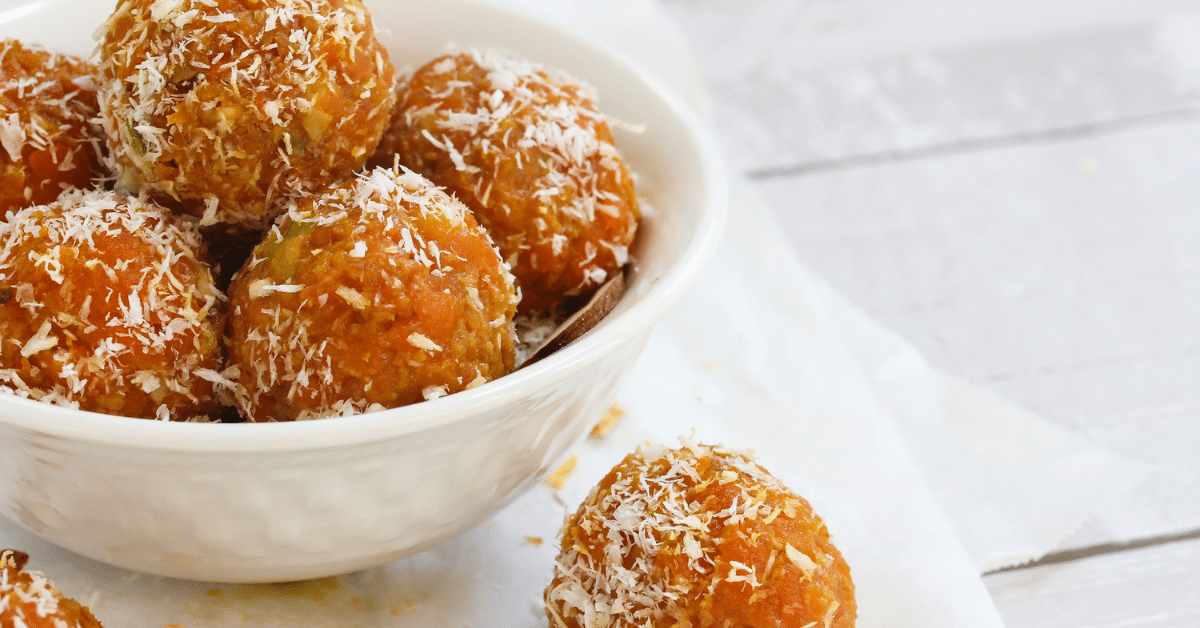
Sacred Cycle Sweets

Blog Featured Image (1200 × 628 px) (1)

Cooling, grounding and hormone-nourishing, these Sacred Cycle Sweets weave together shatavari, fennel and cardamom to support women’s cycles while offering a naturally sweet treat for body and spirit.

Here's How to Make My Sacred Cycle Sweets:

Ingredients (makes ~10):

  • 1 cup shredded coconut
  • ½ cup cashews, soaked 2 hrs
  • 6 Medjool dates
  • 1 tsp shatavari powder
  • 1 tsp cardamom
  • ½ tsp fennel powder
  • 1 tsp vanilla extract
  • Pinch pink salt
  • 1 tbsp coconut oil

Instructions:

  • Blend cashews + coconut into a paste.
  • Add dates, shatavari, spices + vanilla. Process until dough forms.
  • Roll into balls, coat with extra coconut. Refrigerate.
Continue Reading

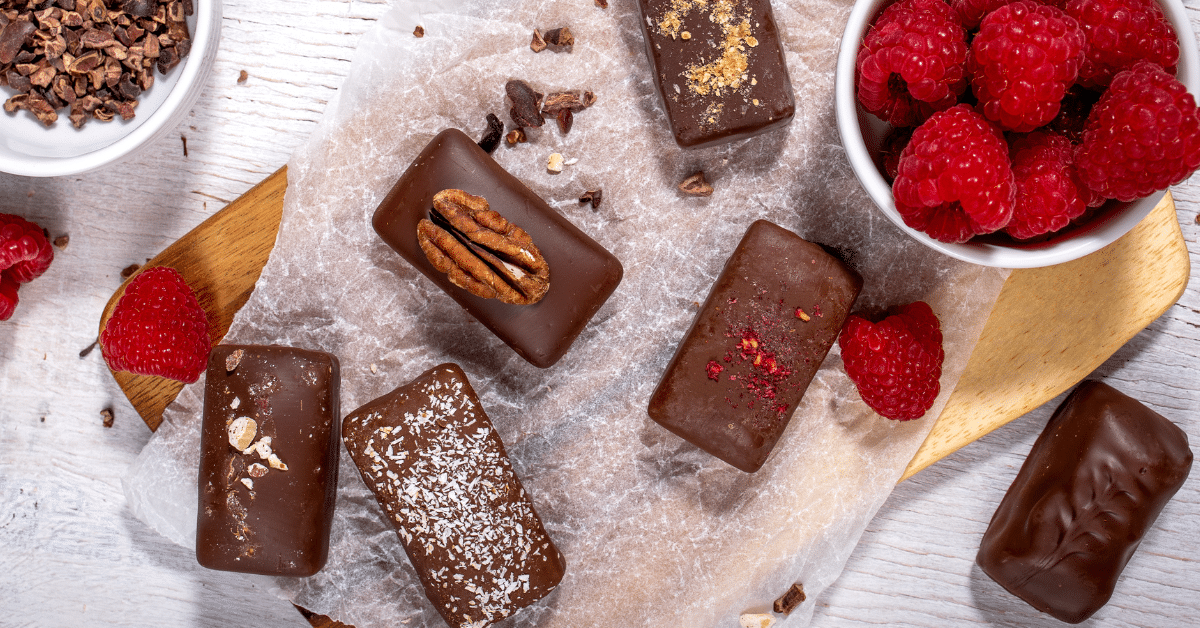
Raspberry Oat Hormone Bars

Blog Featured Image (1200 × 628 px) (1)

Sweet, tart and chocolatey comfort! These bars blend magnesium-rich nuts, fiber-filled oats, and antioxidant raspberries to steady mood, ease PMS cravings, and nourish your hormones the Ayurvedic way.

Here's How to Make Them:

Ingredients (makes ~12 bars):

Base:

  • 1 cup rolled oats (ground to flour)
  • ½ cup walnuts or almonds (magnesium powerhouse)
  • 1 cup Medjool dates, pitted
  • 2 tbsp almond butter
  • Pinch sea salt

Raspberry Layer:

  • 1½ cups fresh or frozen raspberries
  • 2 tbsp chia seeds
  • 1 tbsp maple syrup
  • ½ tsp vanilla

Chocolate Topping:

  • ½ cup dark chocolate chips (at least 70%)
  • 1 tbsp coconut oil
  • Sprinkle of cinnamon

Instructions:

  1. Process oats, nuts, dates, almond butter + salt until dough forms. Press into pan.
  2. In a saucepan, simmer raspberries, chia, maple + vanilla for 10 minutes until jammy. Spread over base.
  3. Melt chocolate + coconut oil, stir in cinnamon, and pour over raspberry layer.
  4. Chill until firm, slice into bars.
Continue Reading

The Pumpkin Pie You Want To Eat

The Sugar Timeline, celebratory events, and why we eat more when we’re together
(Recipe included)

Processed with VSCO with e2 preset

The Holidays can be frustrating when it comes to making healthy food choices.

This should be a special time of year when your energy is centered around celebration, togetherness, and joy and where the focus is to spend quality time with the people you love most. Instead it often includes frustration around food decision making, and the fear of uneasy digestion. On Thanksgiving especially, it's common knowledge that we overeat and typically we overeat sugar.

In North America (and all around the globe) the use of sweets in celebratory events has been a historical tradition. Though the cultivation of sugar dates back to 8,000BC, we see the use of sugar in celebratory event as early as 2,400 BC (!) where there is evidence of beekeeping and the collection honey for honey cakes found at a religious temples near present day Cairo, Egypt. (Hippocrates Health Institute-The Sugar Timeline)

We also see this in the Hindu/Yoga tradition where bringing sweets to the temple as an offering to the God’s is commonly practiced. Traditionally, before industrial sugar cane manufacturing, sweets were more of a luxury item and were considered “Sattvic,” or pure. Of course, this is in reference to sugar in the form of dates and honey which aren’t nearly as taxing on the body as the chemically refined sugar we most commonly use today. As sugar cane evolved into the chemically refined substance that we know all too well now, it became more accessible and affordable and unfortunately we see a direct correlation to the rise of Alzheimer's, diabetes and obesity. Instead of sugar being used a sacred treat, or offering, it became readily available to everyone, all the time, in unnatural states and in absurd quantities.

So, how do we go back to making sugar sacred?

It all comes back to eating whole foods and preparing food at home. For most Americans, having access to healthy ingredients and the time to prepare food at home is a luxury. If we all made an effort to only eat sugar when we could prepare our own sweet treats, it would likely lead to much healthier options (no matter if you’re cooking with white sugar or not). The act of cooking for others truly is sacred and the Thanksgiving holiday is a perfect time to make food that is celebratory, healthy, and sweet. 

What about when it comes to overeating? 

It’s interesting to note that a food study in the Journal of the Academy of Nutrition and Dietetics in 2013 concluded that people tend to eat more calorically dense food and more volumes of food—depending on the information they’re given about what other people are eating. Similarly, the same study showed that we even synchronize our bites, the same way we subconsciously mirror someone else’s posture or body language, without ever realizing it. Simply becoming aware of this fact is enough to make you think differently and possibly act differently when you sit down at the Thanksgiving table. If you are able to be more aware when you’re eating it not only will help you to make more thoughtful choices about your meal, but it could actually help those you are eating with to make more thoughtful choices about what they are eating as well.

Now, let’s go back to celebrating. 

Now that we’ve established that we all love the occasional sweet treat and we want to celebrate with some sort of sacred sugary dessert,  it’s important to choose something that is still balanced and nourishing, not something that is loaded with white flour & white sugar. This is especially important when you want your energy to be sustained through those long evening chats with cousin Kristie. So, how can we be sure a healthy option shows up to the Thanksgiving table? Bring it yourself!

If you want your family to be blown away, show up to the holiday dinner party with this amazing (and healthy) Pumpkin Pie ! ! !  It’s not going to spike your blood sugar, it’s going to make everyone in the room happy, and eating it might even be a sacred act.

The Pumpkin Pie You Want To Eat

For the Crust:

  • 2 cups pitted dates
  • 2 cups raw nuts (I used half pecans, half walnuts)
  • 1/4 cup unsweetened coconut flakes
  • 1 tbsp of coconut oil
  • 1/2 tsp pumpkin pie spice
  • ½ tsp cinnamon
  • A dash of salt

For the Filling :

  • 2 cans of pumpkin puree
  • ½ cup of cashews (previously soaked)
  • 1/4 cup melted coconut oil
  • 3-5 tablespoons maple syrup
  • 1 teaspoon cinnamon
  • 1/2 teaspoon each of nutmeg, ginger and cloves
  • pinch sea salt
  • 1/2 tsp vanilla extract
Pumkin Pie

Directions:

For the crust: pulse the nuts & coconut flakes in a food processor until they're crumbs, add the dates and the remaining ingredients and process until it begins to stick together. Press into a pie dish and put in the fridge (or freezer) to harden.

For the filling: blend all of the ingredients until smooth, adding however much of the spices you like. Pour into your crust and freeze overnight until it's set. The next day transfer to the fridge to let it thaw out. Take it out of the refrigerator 15-20 min prior to serving.

IMG_3220

*Top with your favorite homemade whipped cream!

(It’s best to use an organic Grass-Fed Heavy whipping cream or you can try this recipe below for a vegan coconut whipped cream).

Vegan Coconut Whipped Cream: 

1 can coconut cream or full fat coconut milk (Cream tends to work better)

3 TBSP of organic powdered sugar (optional)

1 tsp vanilla extract

*Place the can of coconut cream into the refrigerator and leave it there overnight

*The next day, take it out and carefully open it

*Scoop  out only the cream into the bowl of an electric mixer, leaving the coconut water behind.

*Start with a slow speed and gradually increase speed until you achieve a whipped cream consistency

*Once you have whipped cream consistency, Add your powdered sugar and vanilla

*Whisk again until it’s mixed in !


Enjoy !

Continue Reading

Footer Hero Widget

theshaktischool

TheShaktiSchool

Ayurveda teaches that this time of year asks us to Ayurveda teaches that this time of year asks us to anchor, simplify and choose what nourishes the soul. Presence over hurry, peace over worry, faith over doubt, love over ego. ⁠
⁠
A seasonal reminder that our inner alignment is the deepest wellness practice.⁠
⁠
Repost from @animamundiherbals
Let’s talk about the fabric of your inhalation! Let’s talk about the fabric of your inhalation! Last day to get early bird pricing on our year long certification in NOW!
Sometimes the most spiritual thing you can do is o Sometimes the most spiritual thing you can do is observe your family like a wildlife biologist with your therapist on speed dial. 🔍☎️ Sending your heart steadiness, grace, gratefulness (and strong AGNI! 🔥) today.

P.S. If you’ve had your eye on 2026 Level 1 Shakti Ayurveda School we’re currently running a limited-time Gratitude Sale ONLY through Monday. This is the lowest tuition rate that will be offered and it’s only for a few days – comment GRATITUDE below for the details and sign-up link! 🧡🥧
I’ve been thinking about this phrase we toss aro I’ve been thinking about this phrase we toss around facetiously: “Thanks for nothing.” 

We lace our voice with resentment and the subtle (or not so subtle) middle finger to whatever didn’t go our way. 

But lately, I’ve been reclaiming it. Sanctifying it. 

Turning it into a quiet little prayer: Thank you. I am here. I am grateful for no reason. 

Science keeps confirming what the mystics have whispered for millennia: gratitude literally changes us.

Studies from UCLA and Harvard show that consistent gratitude practices calm the amygdala, boost dopamine and serotonin, expand heart-rate variability and even strengthen immune function. 

In other words: saying “thank you” rewires the nervous system and ushers the whole body into a different frequency. 

But here’s where it gets counter-intuitive: 

Most of us only practice gratitude for the shiny things - the wins at work, blessings in our bank account, the relationships feeling good… 

But what about the heartbreaks? 
The long nights in the dark? 
The relationships that stretched us, cracked us and forced us to grow? 
The strange, sacred mandala of our lives — the shadowy petals included? 

This is where “Thanks for nothing” becomes a holy prayer. 

Because sometimes the “nothings” (the thing that didn’t happen, the door that didn’t open, the expectation that didn’t get met) is the quiet architecture of our becoming something GREATER. 

More heartful. More real. 

Sometimes what appears as an absence is actually a deep cosmic protection. The chaos is the curriculum. 

So today, I’m practicing a new kind of gratitude: 

Thanks for the heartbreak that humbled me. 
Thanks for the silence that made me listen deeper. 
Thanks for the plans that fell apart, so I could fall into myself. 
Thanks for the nothing that was actually everything. 

This isn’t spiritual bypass. It’s radical spiritual bravery. 

It’s choosing to bow to the full freaking thing. The yummy parts and the ones with biting teeth. 

It’s remembering that we don’t need perfect circumstances to cultivate a loving, grounded physiology. 

So, friend…Happy Thanksgiving. 

Thanks for nothing. 
And thanks for everything.
These acts may seem small, but they are powerful A These acts may seem small, but they are powerful Ayurvedic rituals for dropping into your heart and cultivating gratitude for the Earth, our relationships and our food. 🌿 ⁠
⁠
🤲🏼 Offer gratitude. Give thanks to Big Mama Nature and feel that She is providing you with nourishment through the sacrifice of other plants and animals.⁠
⁠
🍲 Feed someone else first. First feeding others is a sign of our gratitude to the Big Mama who is feeding us. If you are single, make some extra food for a neighbor, water the plants or feed the birds.⁠
⁠
🍽️ Set the table. Even if you are eating alone, laying down a beautiful tablecloth, placemats and cloth napkins tells your unconscious, "Eating is sacred."⁠
⁠
📵 Be present. Eating while web-surfing, watching TV, texting or driving dampens the digestive fire.⁠
⁠
🥄 Chew slowly. Chew mindfully. Feel grateful for where you are now in your life.⁠
⁠
🧘🏼‍♀️ Eat in a good mood: Our mood carries power into the food we eat. If we eat while we are angry or sad, or any other negative mood state, that mood will be transmitted into the food we eat, and deeper into the body and mind.⁠
⁠
Save for your quick reminders on how to ritualize eating this week. 🍽💗🍂

Footer

© 2025 Shakti School

  • FAQ
  • Privacy Policy
  • Terms and Conditions
  • Advocacy
  • Find a Coach
  • Login
  • Katie's Books
  • Contact and Support

Get the Shakti Letter love, katie