• Skip to main content

The Shakti School

Feminine Form Sacred Technology

  • About
  • Blog
  • Glow-Worthy
  • Ayurveda
  • Subscribe
  • Podcast
  • Book a Call
  • Free Course
  •  

Recipe

Curried Quinoa and Chickpeas

Blog Featured Image (1200 × 628 px) (1)

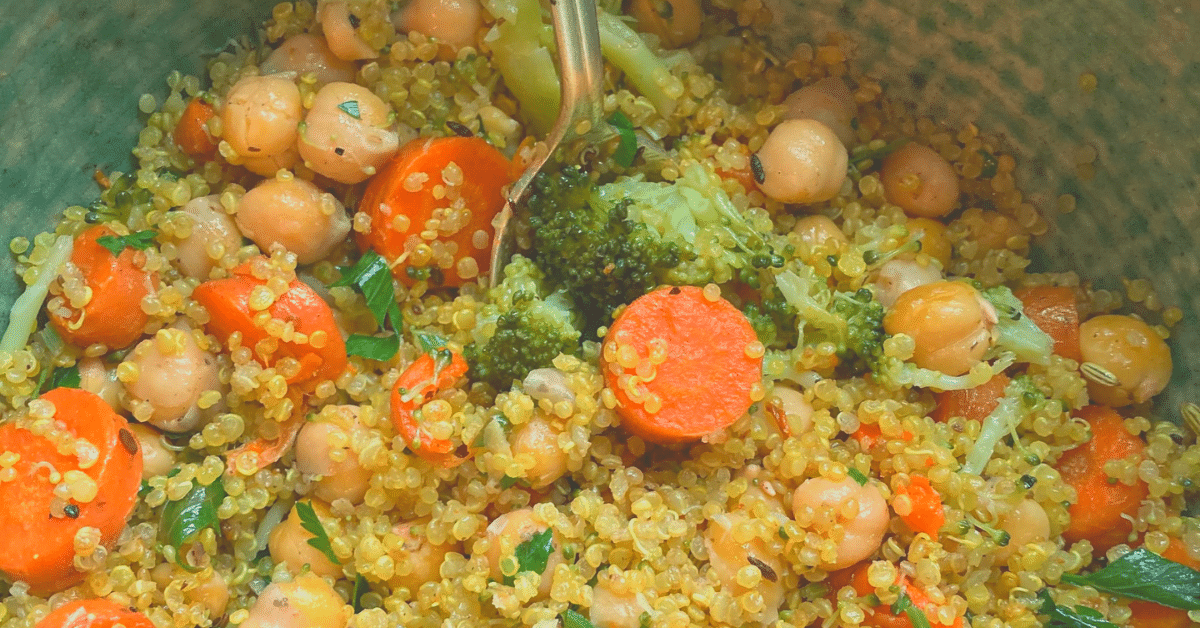
What I love about this meal is that it is not only easy, but it is also so satisfying and nourishing. I usually make it in the morning while I am making breakfast in order for it to be perfectly cooked by lunchtime. It saves really well too.

Ingredients:

  • 1/2 tsp cumin seeds
  • 1/2 tsp fennel
  • 1/2 tsp turmeric
  • 1/4 tsp allspice
  • 1/2 tsp salt & pepper
  • 1-2 tbsp ghee
  • 1 cup chickpeas (either canned or prepared ahead of time, *see note below)
  • 1/2 cup quinoa
  • 1-2 medium sized carrots (chopped)
  • 3/4 cups broccoli florets

*Note on chickpeas: it's best not to get in the habit of using canned legumes, however there are certain brands that carefully soak and prepare their products and I prefer to seek those out. I love Westbrae Organic Garbanzo Beans

Directions:

Get ready for the easiest meal ever. First, rinse your quinoa with water by using a fine mesh strainer.

In any type of rice cooker (see note below if you do not own a rice cooker), add the quinoa and all of the remaining ingredients. Refer to the cooking instructions on whatever brand of quinoa you have chosen for the appropriate liquid amount. For the liquid, I like to use either spring water or vegetable/bone broth. Let cook on the rice setting until it's finished.

So easy, right?

For Preparing:

My favorite way to eat this dish is by topping it with avocado, fresh herbs, juice of a lemon, and a spoonful of tahini. 

*If you do not own a rice cooker, don't worry, this dish is just as easy done in a cooking pot with a lid. Follow the same instructions, except add all ingredients to a pot. Cover with your liquid and bring to a boil. Once it's boiling, reduce heat to a simmer, cover with the lid, and allow to cook for 15 minutes. Remove from the heat and let sit for an additional 5 minutes.
Continue Reading

Chocolate Truffles

Blog Featured Image (1200 × 628 px) (1)

Ingredients:

  • 1 cup cup peanut or almond butter
  • 2 tbsp ghee
  • 1/2 cup coconut cream (cream only) 
  • 1 cup cocoa powder
  • 1/4 tsp vanilla
  • 2 tbsp maple syrup
  • 1/4 tsp sea salt
  • ¼ tsp ashwagandha (optional)

Directions:

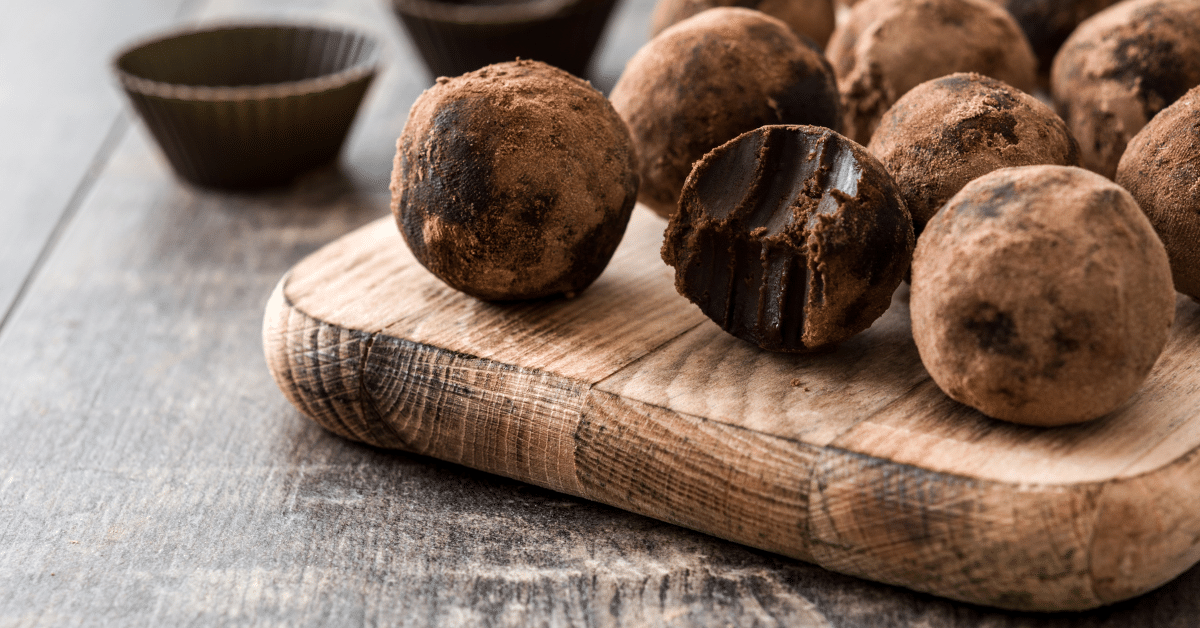
In a saute pan, melt the ghee, coconut cream, and nut butter over low heat. Pour into a bowl with the remaining ingredients. Transfer to the refrigerator and let cool for about an hour. After the chocolate has cooled, roll into balls and place on a plate with parchment paper. You can get creative here: roll the balls into coconut flakes, rose powder, or whatever you feel called to! 🍫

Continue Reading

Vanilla Coconut Sweet Potato Crumble

Blog Featured Image (1200 × 628 px) (1)

As we move into the season of celebrations, we are excited to share this delicious, grounding, and sugar-free Vanilla, Coconut, Sweet Potato Crumble Recipe with you!

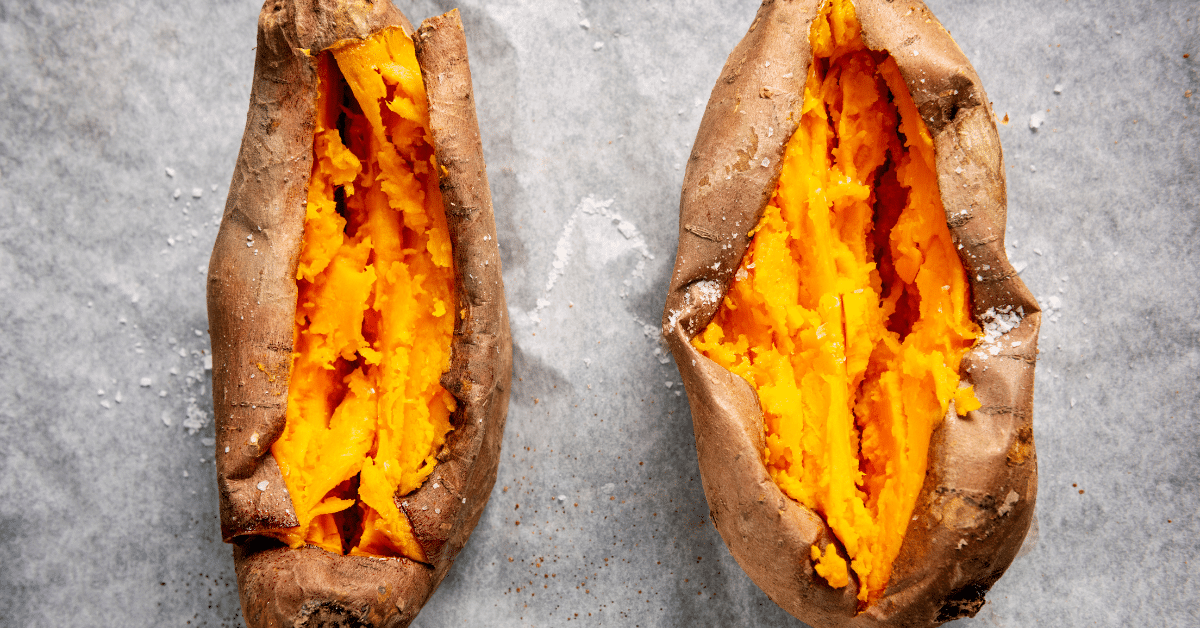
In Ayurveda, sweet potatoes are seen as a nourishing, sattvic food—one that promotes peace, balance, and clarity. They help to pacify vata and pitta doshas, making this dish ideal for the cooler months when we crave warmth and comfort.

This crumble combines the richness of sweet potatoes, creamy coconut, and ghee (or coconut oil), supporting your body’s digestion and immunity while indulging your senses. Topped with pecans and coconut flakes, it's a decadent, yet wholesome option that aligns perfectly with Ayurvedic principles—balancing sweetness with grounding fats and spices like cinnamon and cardamom to boost digestion without overloading on sugar.

Vanilla Coconut Sweet Potato Crumble

Ingredients for the Sweet Potato Filling:

  • 3-4 medium-sized sweet potatoes, chopped (you can peel them if you’d like, but I prefer to keep the skin on for the extra fiber!)
  • ⅓ cup full fat coconut milk
  • 3 Tbsp ghee or coconut oil
  • 2 Tbsp coconut butter
  • ¼ cup pure maple syrup
  • 1 tsp salt
  • 1 tsp cinnamon
  • 1 tsp vanilla bean

Ingredients for the Pecan Topping:

  • 2 cups pecans, chopped (or kept whole for extra decadence)
  • ½-¾ Cup unsweetened coconut flakes
  • 2 Tbsp ghee or coconut oil
  • 3 Tbsp pure maple syrup
  • 1 tsp cinnamon
  • ¼ tsp cardamom
  • pinch salt

Directions:

For the sweet potato:

  • Place sweet potatoes in a large pot, cover with water, and bring to a boil. Allow them to boil until they are completely soft (about 15 minutes). Drain and transfer to a food processor. (You can also mash/mix by hand if you do not have a food processor). Add the remaining ingredients (for the mash) to the food processor and blend until it’s smooth or has reached your desired consistency.
  • Pour mash into an 8×8 baking dish. Use a spoon to smooth out the surface.

For the topping:

  • Preheat the oven to 375 degrees. In the meantime, in a medium-sized bowl, combine all of the topping ingredients. Mix well and spread over the sweet potato mash.
  • Cover with foil and bake for 20 minutes at 375 degrees.
  • Remove foil and bake for another 20-25 minutes. Keep an eye on the pecans. If they begin to brown, cover again with the foil.

I hope this recipe nourishes both your body and soul this upcoming holiday season! 🧡

Continue Reading

Amalaki Summer Face Mask Recipe

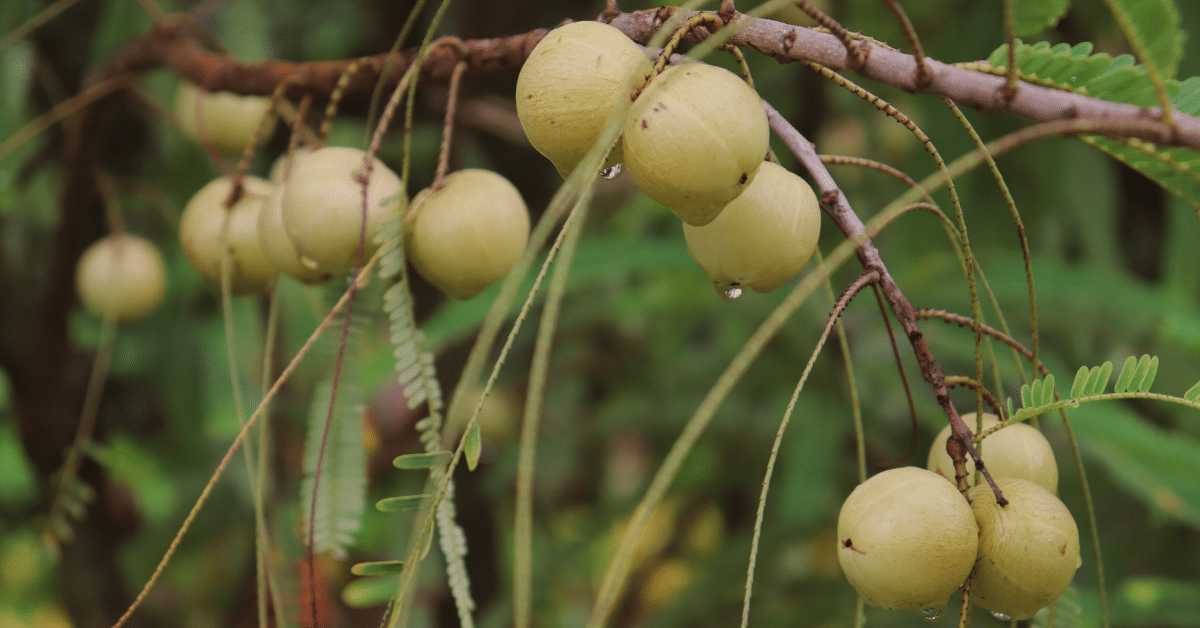
This is a picture of a plant called Amalaki. It links to an Amalaki summer face mask recipe.

Amalaki (aka Indian Gooseberry, aka Amla) is COOLING. It’s great for pitta tendency people who get overly heated (think menstrual-related acne or loose stool), especially this time of year.⁣⁠ Try this Amalaki summer face mask recipe to cool and cleanse your skin during the hot summer months!
⁣⁣⁠
This herb is also a potent external medicine for hair and skin. Amalaki is a well-known rejuvenate as it gently cleanses the colon, beautifies hair and skin and is an all-around tonic for the organs. In India it's known as a super-food, youth-enhancer!⁣ It's also one of the fruits in Ayurveda's digestive formula, Triphala.⁠
⁠
We recommend getting your amalaki powder through Banyan Botanicals who we know and love! Use code KATIES15 for a discount.⁣

Amalaki Summer Face Mask Recipe:

  1. Chop up finely a sprig of washed parsley (the parsley is optional!)
  2. Crush it up in a mortar and pestle until the juice is coming out (the bottom of the clean jar on a chopping board can suffice if you don’t have one).
  3. Add 2 teaspoons of Amalaki (Amla) powder and hot water to make a wet paste with the crushed parsley.
  4. Add a teaspoon of Manuka honey to the still warm mixture and blend them all together into a paste.
  5. The crushed parsley won’t spread consistently but this doesn’t matter as the hot water will have dispersed its compounds into the paste.
  6. You want your face mask to be the consistency of yogurt, easy to spread but not too watery/runny.

Application Instructions:

  • Apply the paste while it's still warm to freshly cleansed, damp skin.
  • Lie down in your room with mask on for 20-30mins.
  • Wash off with warm water and apply your favorite moisturizer!

This summer face mask recipe is great for blemishes but it may dry out your skin if left on too long or if used during dry months or during dry skin cycles. Use this in humid environments, in the high summer season or if you have oily skin.

If you want to take your summer self-care routine to the next level try sipping on a cooling summer herbal tea or our Rose Water Mocktail while mixing up this summer face mask recipe!

Happy at-home Ayurveda facial-ing! 😎

Continue Reading

Herbal Teas for Plump, Hydrated Skin

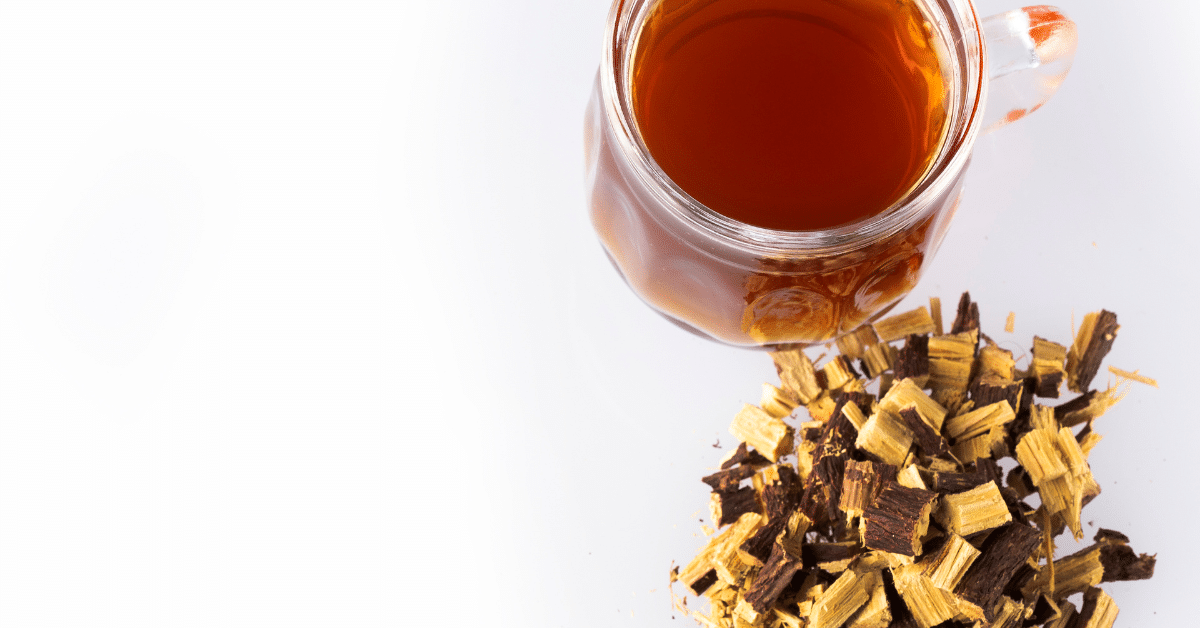
This is a picture of herbs and tea in a class. It links to a blog post about Ayurvedic herbal teas for hydrated skin

Maintaining hydrated skin in the summer (and as we age) is an inside job! However, drinking a ton of water will only do so much if your tissues aren’t actually nourished and rejuvenated from within. The demulcent herbs in these herbal teas actually hold lubricants that will plump up the skin full of water (in a youthfulness-boosting way, not a water retention way!) to give you glowing, hydrated skin! 💦

See below for our favorite demulcent herbal teas for deeply hydrated skin:

❤️ Licorice is an anti-aging, nourishment-boosting, ultimate rejuvenation herb (aka a rasayana). Its sweet, cool, and moisturizing effects help rejuvenate and hydrate all 7 tissues. We use this licorice power from Banyan Botanicals. You can use code KATIES15 for a special 15% discount on all of Banyan Botanicals' awesome products!

🌹 Rose helps to balance Sadhaka Pitta (one of the Pitta subdoshas), cooling excess heat in the blood before it erupts in our skin and balancing emotions so they don’t disturb our hearts. On those extra hot days, try our cooling Rose Water Mocktail.

🌺 Hibiscus is soothing and purifying. Its sweet, astringent and cooling properties support healthy, hydrated skin and a clear complexion.

🥀 Rose hips are sour, astringent, and warming which helps reduce vata. Rose hips contain many vitamins that make them beneficial for all skin types and are associated with anti-aging. We love these rose petals from our friends at Paavani Ayurveda.

🏵️ Last but not least, marshmallow root helps store water which helps our skin remain plump and lush. It helps rebuild our body’s water element and also boosts our hair’s lustrousness and growth!

Two other great Ayurvedic practices for glowing, hydrated skin are dry brushing and Abhyanga. Both of these practices increase blood and lymph circulation through self-massage. Learn more about these skin-health-boosting practices in our blog post, Why You Should Dry Brush (or do Abhyanga).

Continue Reading

Ayurvedic Mint, Pistachio and Cilantro Chutney Recipe

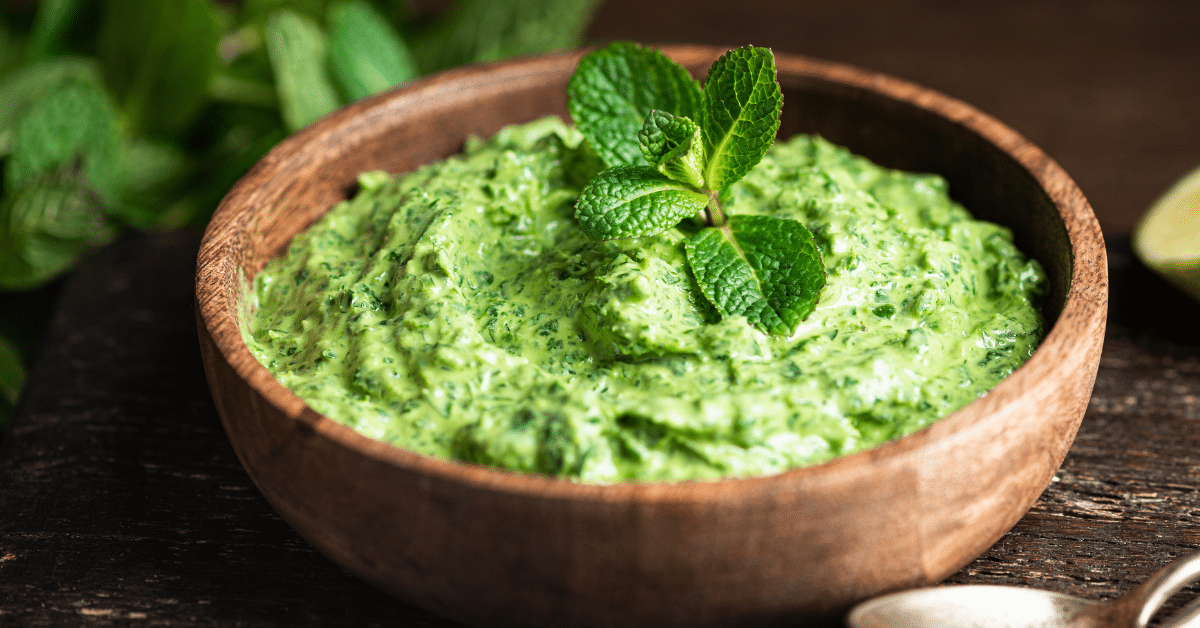
This is a picture of a bowl of green chutney. It links to a Ayurvedic Mint, Pistachio and Cilantro Chutney recipe blog post.

This Ayurvedic mint, pistachio and cilantro chutney recipe makes a tasty side or topping rich in herbs and spices that support digestion, detoxification and overall health.

Ayurvedic Mint, Pistachio and Cilantro Chutney Recipe

Ingredients:

  • 1 cup fresh cilantro leaves (finely chopped)
  • 1/2 cup fresh mint leaves (finely chopped)
  • 1/4 cup unsalted pistachios (soaked for 1-2 hours)
  • 1 small green chili (optional, adjust to your heat preference)
  • 1 tablespoon fresh ginger (grated)
  • 1/2 teaspoon cumin seeds (lightly roasted)
  • 1/2 teaspoon fennel seeds (optional, for cooling effect)
  • 1 tablespoon lemon or lime juice (freshly squeezed)
  • 1/2 teaspoon rock salt (or to taste)
  • 1/4 teaspoon black salt (optional for a tangy flavor)
  • 1 tablespoon coconut or olive oil (optional for added smoothness)
  • 2-3 tablespoons water (adjust consistency as needed)

Optional Additions to this Ayurvedic Mint, Pistachio and Cilantro Chutney Recipe:

  • 1/4 teaspoon *turmeric powder: Adds anti-inflammatory properties.
  • 1/2 teaspoon jaggery or raw honey: For balancing Vata and Pitta doshas, adds a touch of sweetness.

*Use code KATIES15 for a special 15% discount on all Banyan Botanical products.⁣

Instructions:

  1. Soak the Pistachios: Soak the pistachios in warm water for about 1-2 hours. This makes them easier to blend and helps release their oils.
  2. Toast the Spices (Optional): In a small pan, lightly toast cumin and fennel seeds until fragrant. Allow them to cool slightly.
  3. Blend Ingredients: In a blender or food processor, add soaked pistachios, cilantro, mint, green chili (if using), ginger, roasted cumin, fennel seeds, rock salt, black salt, lemon or lime juice, and turmeric (if using). Blend until smooth. Add water gradually to reach your desired consistency.
  4. Adjust Seasoning: Taste and adjust salt, lemon juice, or jaggery/honey as needed.
  5. Optional Oil: Add coconut or olive oil for a richer texture. Blend again for a few seconds to incorporate.
  6. Serve: Serve fresh with meals or as a dip. Store in an airtight container in the fridge for up to 3 days.

Ayurvedic Considerations for this Ayurvedic Mint, Pistachio and Cilantro Chutney Recipe:

  • Vata Dosha: Reduce green chili and use a small amount of oil and jaggery/honey to ground Vata.
  • Pitta Dosha: Skip or reduce the chili and black salt, use more mint for cooling, and add fennel seeds to soothe Pitta.
  • Kapha Dosha: Skip the oil, use lime juice instead of lemon, and add more chili and ginger for heat and stimulation.

This chutney could be a great addition to an Ayurvedic spring cleanse or our Instant Pot Kitchari.

Enjoy making this flavorful mint, pistachio and cilantro chutney recipe and pairing it with your meals! 🌱

Continue Reading

Pitta-Friendly Summer Mocktail ft. Heart-Healing ROSE Water

Blog Featured Image (1200 × 628 px)

Wondering what to sip this summer that’s not going to dampen your agni but that’s still a little indulgent and fun?

(To my down-under ladies, you can enjoy this too, especially if you have more PITTA aka fire in your constitution!)

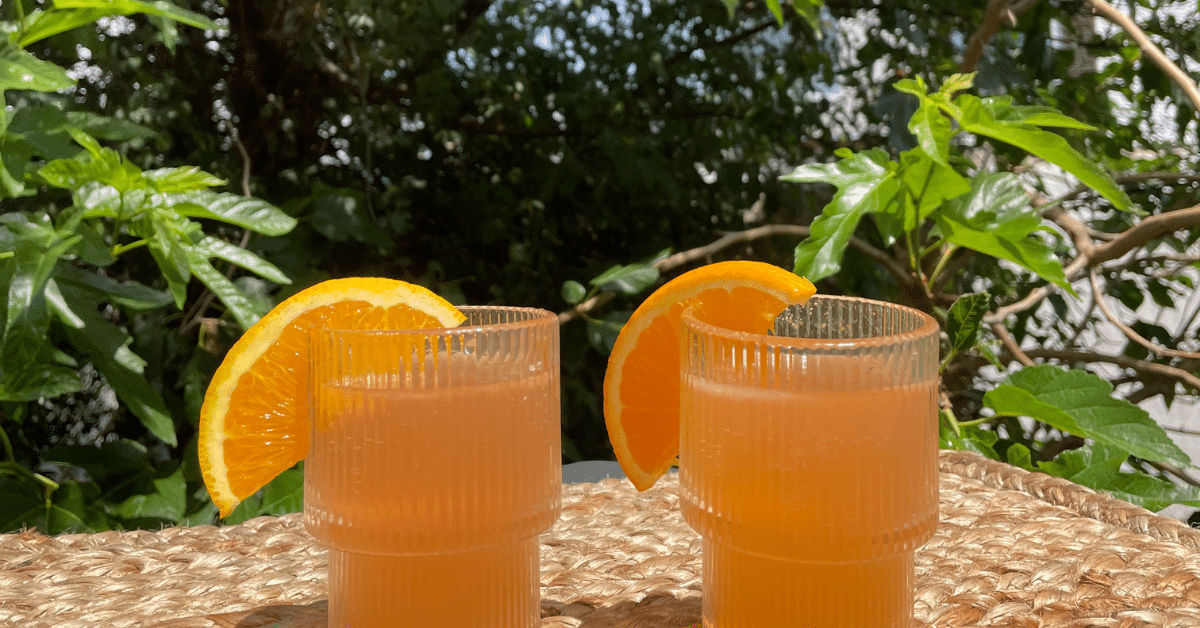
This cooling, goddess-worthy bev is perfect for when you wanna sip something cooling but still delicious, enjoy a mocktail, or get a hydrating boost on a hot summer afternoon.

The recipe makes 1 so be sure to double or triple if making it for friends 😉

Ingredients to help soothe inner heat while gently supporting agni:

🥀Rose Water

Rosewater is mildly astringent which gives it a cooling property both topically and internally. It’s great for balancing excess heat, aka pitta dosha in the digestive system, helping to aid digestive discomfort, bloating and heartburn.

Plus there’s nothing more nourishing to the subtle heart center than ingesting rose!

(See below on how to whip up your own rose water at home.)

🍋Lemon

If you’re not-so-new to Ayurveda you’ll know that warm lemon water is a key part of a traditional Ayurvedic morning routine—this is because lemon has a powerful agni boosting effect (meaning, it’s a major digestion helper!). Lemon gives our stomach the signal to start creating digestive juices and tells our liver to produce bile, both of which can help ease indigestion.

🍁Maple Syrup

Maple syrup encompasses the “sweet” quality in Ayurveda (plus, it’s derived from actual SAP - ojas boost, anyone?). The sweet taste soothes Pitta and Vata but can be a little aggravating to Kapha, so feel free to sub in some raw honey if you’re dealing with a Kapha imbalance.

Ingredients (makes one serving):

  • 2 tablespoons of rosewater (see how to make your own below or purchase rosewater already made!)
  • Juice from 1/2 lemon
  • 1 tablespoon good quality maple syrup
  • 1 cup plain seltzer (or sub in hibiscus infusion)
  • Optional garnish: cucumber, mint, orange, strawberries, etc.!

Directions:

Step 1. Make the rose water: add 1 teaspoon rose powder to a jar or glass measuring cup. Pour 1 cup boiling water over it. Allow to sit for 30 minutes then strain with a fine mesh strainer.

Step 2. Once cooled, add 2 tablespoons of rosewater into your mocktail glass.

Step 3. Add juice from 1/2 lemon.

Step 4. Add 1 tbsp good quality maple syrup. Stir up ingredients to combine.

Step 5. Top with 1 cup plain seltzer (or alternatively a chilled hibiscus infusion if you want to avoid seltzer!)

Garnish with a few cucumber slices, mint leaves, or orange slices!

Sip and stay cool 😎

Continue Reading

Herbal Sleepytime Mocktail

Blog Featured Image (1200 × 628 px)

We had to put our Shakti-fied twist on the Sleepy Mocktail 🍹This herbal sleepy time tonic is the perfect nighttime bev for getting your beauty rest! 💤⁣
⁣
Adding passionflower and ashwaghanda, which have both linked with stress relief, give this mocktail some extra relaxation oomf 💪🏼⁣
⁣
Passionflower has also been linked with gamma-aminobutyric acid (GABA) in the brain, and GABA reduces activity in the central nervous system which can support relaxation and sleep.⁣
⁣
Here’s what you’re gonna need:⁣
⁣
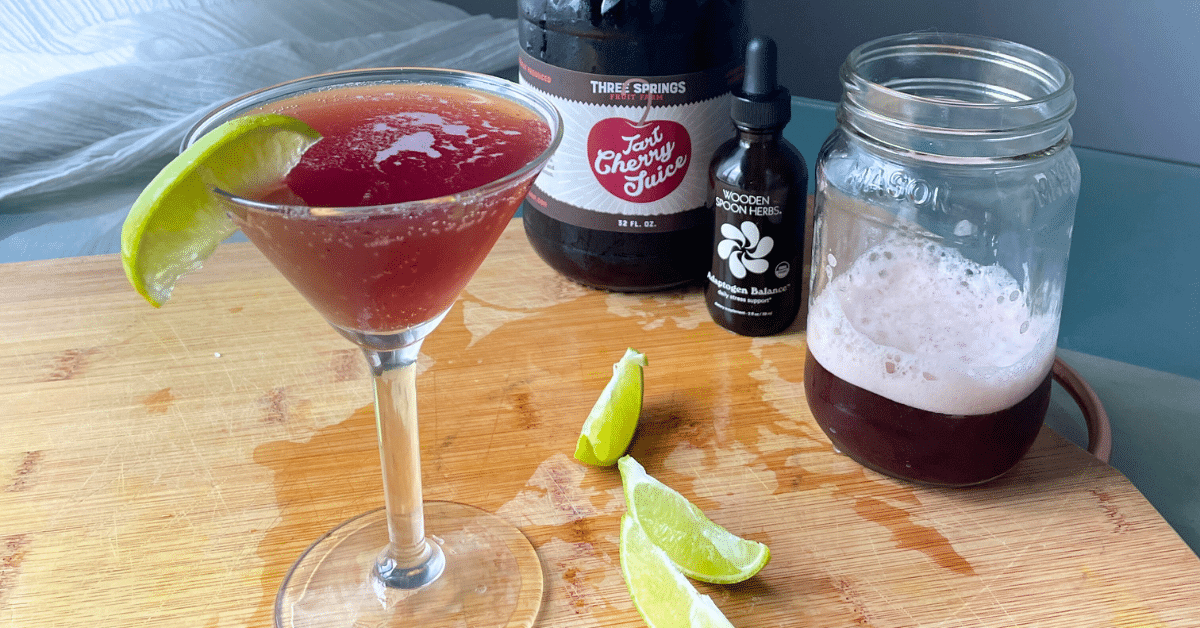
~ ½ cup passion flower tea infusion (make this ahead of time- add one teabag or 1 tsp of loose passion flower to 1 cup boiling water. Let steep for about 15mins (you can also make this in bulk and leave in the fridge to have on hand all week 😉)⁣
⁣~ ½ cup tart cherry juice⁣
⁣~ Magnesium powder (one serving according to your powder’s instructions!)⁣
⁣~ 1-2 droppers full ashwaghanda (or 1/2 tsp powder)⁣
⁣~ A pinch of mineral salt and squeeze of lime⁣
⁣
Add all ingredients and shake or blend!⁣
⁣
🍒Ayurveda Rebel Version: add a splash of sparkling water (we won’t tell if you won’t 🤫)⁣
⁣
🌬Vata-friendly Version: warm cherry juice slightly (or mix into your warm tea infusion to warm it up) and forgo the sparkling water. Enjoy 😉

Continue Reading
  • « Go to Previous Page
  • Page 1
  • Page 2
  • Page 3
  • Page 4
  • Page 5
  • Go to Next Page »

Footer Hero Widget

theshaktischool

TheShaktiSchool

Love really is a frequency, and it extends far bey Love really is a frequency, and it extends far beyond the romantic cliches. 💗 One of the most sacred forms of love is the love between friends.⁠
⁠
We felt the love big time in this beautiful Galentine’s giveaway with Herbal Face Food.⁠
⁠
Our two BFF winners, Ashton Miller + Alexa Frear reminded us what this month of love is really about: ⁠
⁠
“My name is Ashton Miller and my best gal pal is Alexa Frear. We met on a work trip and there was something about her soul that drew me in. She’s truly my soul sister! ” ❤️⁠
⁠
We’re so honored that we got to gift these two friends an incredibly indulgent and luxurious skin-loving bundle in collaboration with @herbalfacefood. 🪽🦋⁠
⁠
If you missed your chance to enter, you can still experience the magic. ⁠
⁠
Shop @herbalfacefood with our code THESHAKTISCHOOL for 30% off—or visit the link in our bio.⁠
⁠
🌹 Make sure you’re on the Shakti mailing list so you don’t miss future giveaways like this one. ⁠
⁠
💌 Comment MAIL to make sure you receive the next Shakti Newsletter.
Late winter in the Northern Hemisphere is a kapha- Late winter in the Northern Hemisphere is a kapha-vata crossover season - still cold, but increasingly damp and heavy as the water and earth elements begin to rise. Ayurveda teaches this is the moment to stay warm while gently stimulating circulation and clearing stagnation, so we don’t carry winter’s sluggishness into spring.⁠
⁠
Southern Hemisphere beauties, you’re in late summer/early fall, so follow hydrating and grounding Ayurveda guidance instead of late-winter protocols (tons more on our blog for you, the link is in our bio 😉).⁠
⁠
The sweet spot right now is warm and slightly bitter foods and gently stimulating lifestyle rhythms. Kindle agni, move your lymph and lighten up, without depleting your nervous system.⁠
⁠
Late Winter Self-Care Checklist:⁠
⁠
• Dress warmly even on milder days to prevent mucus and stagnation.⁠
• Get adequate sleep but avoid heavy oversleeping.⁠
• Prep for an Ayurvedic cleanse - it’s a great time to “clean out” your body, mind, home or closet!⁠
• Start dreaming up spring projects and creative plans.⁠
• Add more aerobic movement (walking, dance, fluid yoga, cycling).⁠
• Prioritize daily sunlight and fresh air for natural vitamin D.⁠
• Dry brush (only if vata is balanced) and/or practice warm abhyanga.⁠
• Sip tulsi tea to support immunity and clarity.⁠
• Leafy greens, radishes, broccoli, basmati rice and well-cooked legumes are allies.⁠
• Favor warming spices like mustard seed, garlic, cinnamon, cloves and black pepper.⁠
• Fenugreek is your friend - warming, bitter and drying.⁠
• Ginger is warming and activating helping kindle agni while steadying vata.⁠
• Consider chyavanprash for deep rejuvenation.⁠
• Hydrate with warm water and keep skin plump with a gentle mist.⁠
⁠
Ready to live in rhythm with the seasons and your cyclical nature?⁠
⁠
✨ Comment WISDOM and get our free Women’s Wisdom + Ayurveda mini-course and start learning right now.
💻 Did you know that we have a monthly subscript 💻 Did you know that we have a monthly subscription membership with LIVE lectures with Katie each month?⁠
⁠
Spirit Sessions is the culmination of 20 years of research, leadership and practice in yoga, meditation, spirituality, archetypal psychology, nervous-system based healing, attachment theory, Ayurveda (and more).⁠
⁠
This offering is for ANYONE in search of expansion, clarity and a deep connection with the Divine. With me as your guide, you’ll learn how to start a spiritual practice, or connect more deeply to the God of your own understanding through the practice you already have.⁠
⁠
If you are ready to dive deep into your spiritual life and true healing, this is the time to join. Our next live workshop is on Thursday, March 5th from 10-12pm Eastern US Time. ⁠
⁠
Here are some of our past workshop highlights (along with many more!)⁠
⁠
~ The Yoga of Dreams and Psyche⁠
⁠
~ Ayurvedic Herbs and Gardening⁠
⁠
~ Ayurveda for the Men in Your Life⁠
⁠
~ Yogini Bootcamp⁠
⁠
~ Deep Microbiome: Digestion, Hormones, and The Ecology of Spirit with Dr. Scott Blossom⁠
⁠
~ The Healing Power of Sound and Touch with Dr. David Rabin⁠
⁠
~ Astrology for Healers with Master Astrologer, Jill Loftis⁠
⁠
PLUS a full series on the Chakras and so much more. 💎 ⁠
⁠
🌺 Join us in the subscription for $28/month and cancel anytime—our next workshop is coming up on March 5th. Comment MEMBERSHIP for more information.⁠
⁠
🌟We are currently working our way through the Koshas (what Tantra teaches are our subtle energy “sheaths” or layers). Our March workshop will focus on Vijnanamaya Kosha. Join now and get access to all prior workshops.
Vata wife energy: new idea every five minutes, fiv Vata wife energy: new idea every five minutes, five tabs open in her brain, impromptu dance performances when you least expect it. 🌀

Kapha partner energy: fully seated, fully hydrated, nervous system signalling, “You can’t faze me.” 🌊

When these two get together?

✨ Chaos that’s lovingly buffered by the most stable force on the planet.

To all the kapha partners out there - thank you for being our stable, loving ground. 🌿💙✨
I love the metaphor of ojas as the body’s natura I love the metaphor of ojas as the body’s natural honey; it is the delicate and refined essence we produce from the plants and other vital essences we take in. Ojas is the force that enables us to sustain that change over time. ⁠
⁠
Think of it as your psychophysical container or shield. These days, everyone needs a little more support in the realm of ojas. ⁠
⁠
✨🍯 Ready to start building your ojas?⁠
⁠
Comment LOVE TONIC for our Ojas-Building Hot Shake recipe. This warm, spicy-sweet milk with virility-boosting herbs is amazing for building your body’s natural “honey.”

Footer

© 2026 Shakti School

  • FAQ
  • Privacy Policy
  • Terms and Conditions
  • Advocacy
  • Find a Coach
  • Login
  • Katie's Books
  • Contact and Support

Get the Shakti Letter love, katie