• Skip to main content

The Shakti School

Feminine Form Sacred Technology

  • About
  • Blog
  • Glow-Worthy
  • Ayurveda
  • Subscribe
  • Podcast
  • Book a Call
  • Free Course
  •  

Recipe

Sacred Cycle Sweets

Blog Featured Image (1200 × 628 px) (1)

Cooling, grounding and hormone-nourishing, these Sacred Cycle Sweets weave together shatavari, fennel and cardamom to support women’s cycles while offering a naturally sweet treat for body and spirit.

Here's How to Make My Sacred Cycle Sweets:

Ingredients (makes ~10):

  • 1 cup shredded coconut
  • ½ cup cashews, soaked 2 hrs
  • 6 Medjool dates
  • 1 tsp shatavari powder
  • 1 tsp cardamom
  • ½ tsp fennel powder
  • 1 tsp vanilla extract
  • Pinch pink salt
  • 1 tbsp coconut oil

Instructions:

  • Blend cashews + coconut into a paste.
  • Add dates, shatavari, spices + vanilla. Process until dough forms.
  • Roll into balls, coat with extra coconut. Refrigerate.
Continue Reading

Raspberry Oat Hormone Bars

Blog Featured Image (1200 × 628 px) (1)

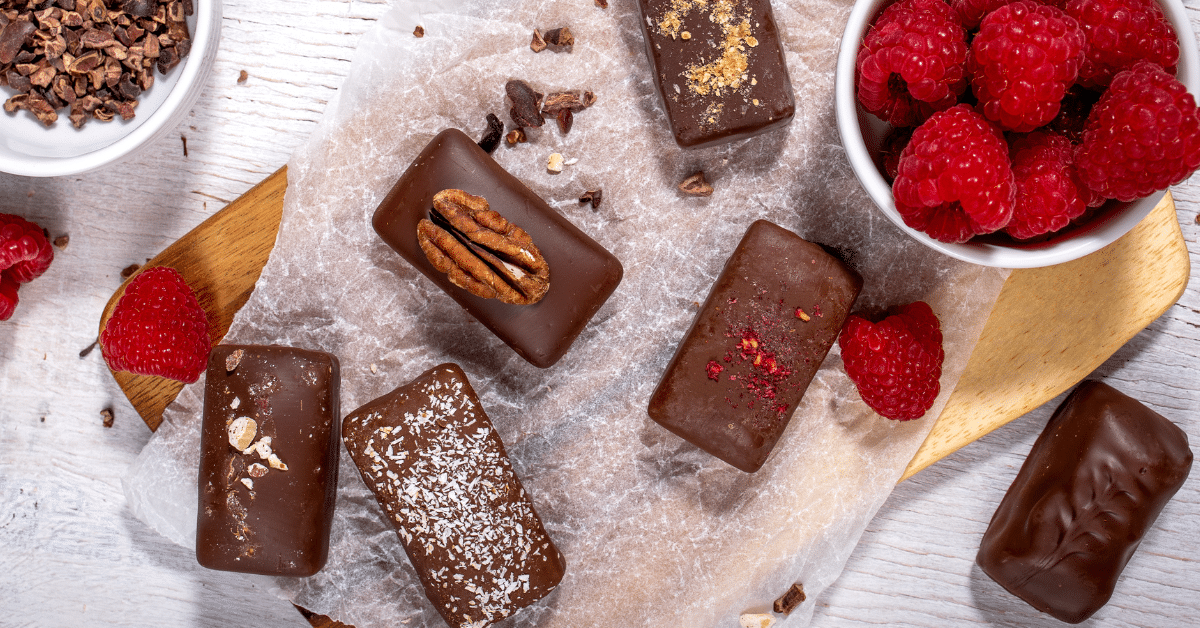
Sweet, tart and chocolatey comfort! These bars blend magnesium-rich nuts, fiber-filled oats, and antioxidant raspberries to steady mood, ease PMS cravings, and nourish your hormones the Ayurvedic way.

Here's How to Make Them:

Ingredients (makes ~12 bars):

Base:

  • 1 cup rolled oats (ground to flour)
  • ½ cup walnuts or almonds (magnesium powerhouse)
  • 1 cup Medjool dates, pitted
  • 2 tbsp almond butter
  • Pinch sea salt

Raspberry Layer:

  • 1½ cups fresh or frozen raspberries
  • 2 tbsp chia seeds
  • 1 tbsp maple syrup
  • ½ tsp vanilla

Chocolate Topping:

  • ½ cup dark chocolate chips (at least 70%)
  • 1 tbsp coconut oil
  • Sprinkle of cinnamon

Instructions:

  1. Process oats, nuts, dates, almond butter + salt until dough forms. Press into pan.
  2. In a saucepan, simmer raspberries, chia, maple + vanilla for 10 minutes until jammy. Spread over base.
  3. Melt chocolate + coconut oil, stir in cinnamon, and pour over raspberry layer.
  4. Chill until firm, slice into bars.
Continue Reading

How to Make the Perfect Summer Salad

Blog Featured Image (1200 × 628 px) (1)

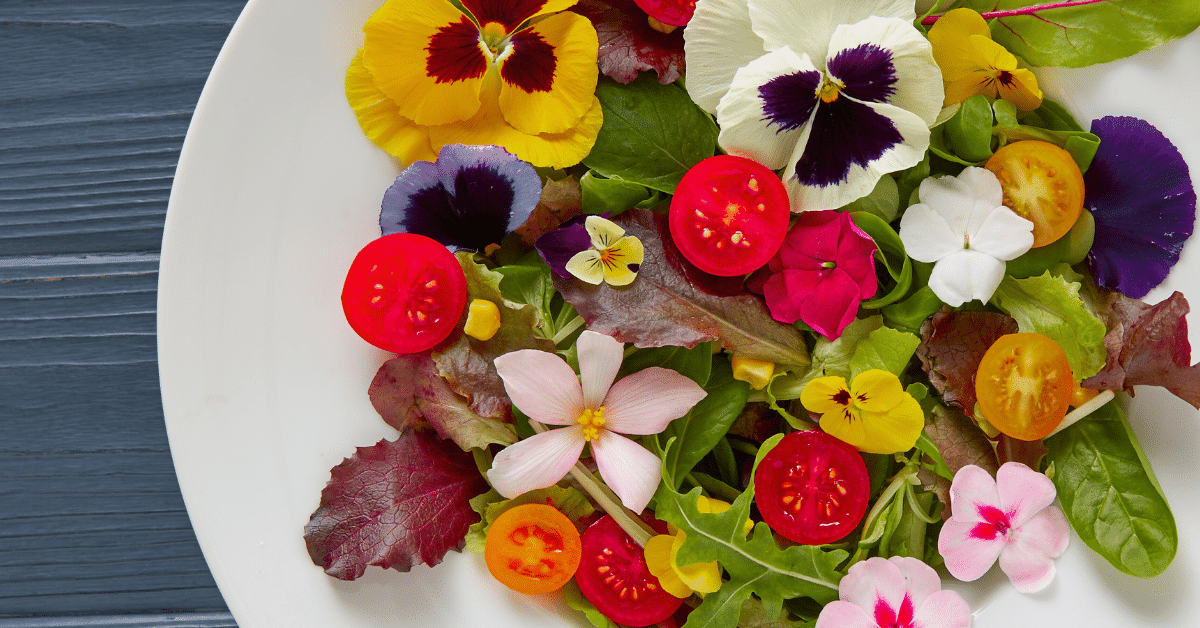
Summertime is the time for salad—the possibilities are endless. 🌺🌱🍅 In the Virginia summers, greens grow in abundance, fruit starts popping off and there are edible flowers galore! It’s one of my favorite times of the year. ⁠

Of course Ayurveda suggests not over consuming raw food, but there are plenty of ways around this. Salads are appropriate in the hot summer months and if your digestive system is a little sluggish, you can always pair your greens with a cooked element or additional spices to support your specific needs. ⁠
⁠
I love going to the farmer’s market in the summer and seeing what creations I can make with the various colors and shapes of the vegetables. Making food should feel like an art (of course it’s not always going to feel easy), but it is an act of creativity that can really serve you well. ⁠
⁠
When it comes to making salads you can get really creative. Just simply think of what flavors and textures you love most and create a salad from that. For me, I love crunch, I love FAT and I love citrus. I usually end up making a big bowl of greens, some sort of seed sautéed in ghee, avocado, radishes and all of it topped with a lemon vinaigrette. I often will always add some sort of protein source. Grilled chicken, fried tempeh and hard boiled (farm fresh eggs) are all my favorite go-to forms of protein.

Here's How to Make my Perfect Summer Salad:
Salad Ingredients:

  • ½ cup cooked quinoa
  • 1 ½ cups summer greens (mix of your choice-diced)
  • 1 tbsp lightly toasted pumpkin seeds
  • ½ cup summer cherry tomatoes (halved)
  • 1 handful of summer sprouts
  • Optional protein add ons: ¼ cup cooked chickpeas or grilled chicken

Dressing Ingredients:

  • 1 tbsp vegan mayo
  • ¼ cup fresh mint & parsley mix (diced)
  • Salt and pepper to taste
  • 1 tbsp apple cider vinegar

Directions:

Assemble all of your salad ingredients into a bowl (except the sprouts) organizing however you would like. Whisk dressing ingredients in a bowl using a fork (adding more or less apple cider vinegar depending on preference). Generously pour dressing over the salad. Garnish with fresh edible flowers and sprouts!

Enjoy! 🥬🌱🍅🌼

Continue Reading

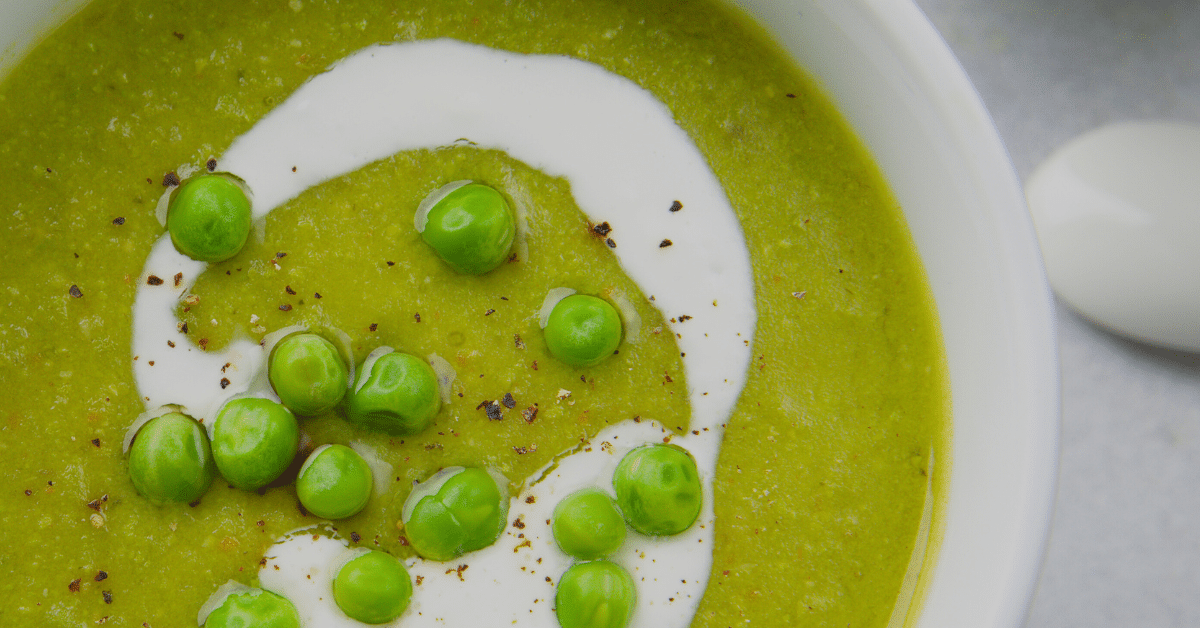
Simple Spring Pea Soup

Blog Featured Image (1200 × 628 px) (1)

One of the keys to good digestion in Ayurveda is keeping things SIMPLE. Less complicated meals give our digestive fire a chance to rest and truly metabolize the fuel we’re feeding the fire. ⁠
⁠
Peas are light, astringent and slightly drying—aka they help balance kapha’s natural heaviness and tendency to hold onto all the things (mucus, water, emotional clutter... you name it). Plus, they're packed with protein and fiber without being overly dense.⁠
⁠
On top of that, soup is basically kapha’s best friend. It’s warm, light AND easy to digest. Broth and veggie-based soups are the perfect go-to option for spring dinners that aren’t too heavy! Enjoy! 🌿

Ingredients:

  • 2 teaspoons sunflower or olive oil
  • 4 spring onions, finely minced
  • 1 leek, chopped
  • 1 cup vegetable or chicken stock
  • 1½ cups fresh peas, shelled
  • 1 teaspoon lemon juice
  • Salt and pepper to taste

Directions:

In a small saucepan, sauté the spring onions and leek over medium-low heat for about 2 minutes, until translucent. Add the stock and bring to a boil. Add the peas and cook until bright green and slightly tender. (This depends on their size, but should only take a few moments.)

Using a blender, purée the soup until very smooth. Add the lemon juice and season with salt and pepper to taste. Drizzle a little extra-virgin olive oil on top or add a dab of yogurt for garnish. Serve warm or chilled.

Continue Reading

Beet & Chickpea Hummus

Blog Featured Image (1200 × 628 px) (1)

To further support you during this kapha season, I want to offer up one of my go-to recipes for one of my favorite grounding veggies: the beet! ⁠
⁠
Beets are loaded with health benefits and when I eat them regularly I feel like I have some sort of super strength. ⁠
⁠
Their rich color is a key indicator of their richness in antioxidants and anti-inflammatory effects on the body. ⁠
⁠
In Ayurveda, beets can be eaten in abundance by all doshas as long as they are prepared appropriately. Vata & pitta individuals can tolerate cooked beets more so than kapha. If you are prone to have more kapha, try adding a little extra mustard seed and black pepper to your beets. ⁠
⁠
Other benefits of beets include: ⁠
⁠
🫜 Improves circulation ⁠
⁠🫜 Supports healthy skin⁠
⁠🫜 High in iron ⁠
⁠🫜 Good for liver detoxification ⁠
⁠🫜 Cleanses the blood ⁠
⁠🫜 Good for the brain ⁠
⁠
I love making all sorts of dishes with beets. I’ve added beets to chocolate cakes, roasted them for salads, hummus and dressings, and have even added them to smoothies. The possibilities are endless when it comes to the beet! ⁠

Now let's get into the recipe:

Ingredients: 

  • 1-2 beets (already roasted or boiled)
  • 1 can of chickpeas drained (or you can use 1 cup freshly cooked/drained chickpeas)
  • 1 juiced lemon
  • 1 tsp salt
  • 1 tsp pepper
  • 2 large cloves garlic
  • 3 Tbsp tahini (if you’re looking for an even more kapha-friendly version, you can use sunflower seed butter)
  • ¼ water
  • Olive oil for topping

Directions:

  • Add all the ingredients to a food processor (except for the olive oil). Blend until smooth (you may need to add more water to reach the desired consistency).
  • Top with a drizzle of olive oil, a little parsley or some sesame seeds!⁠

Save this recipe for the next time you need to spice up your dinner rotation or add some color to your plate. 😉🫜🌺🌿

Continue Reading

Rose + Mint Sun Tea

Blog Featured Image (1200 × 628 px) (1)

For this recipe, just let the sun do the steeping. 🌞 Steep dried rose petals and fresh mint in a glass jar under direct sunlight for a few hours. (No need to measure perfectly - just add what you’ve got on hand!) Sip room temperature or slightly chilled throughout the day to stay hydrated and soothe Pitta. What do you get? A cooling, heart-opening, Pitta-pacifying potion that’s as beautiful as it is nourishing.⁠
⁠
Here’s a little bit about how these plant allies help support us during the warmer months of the year…⁠
⁠
🌹 Rose - The ultimate flower of the Divine Feminine:⁠
⁠
• Cools the heat of both the body and our emotions (hi, Pitta spiciness 😅)⁠
• Soothes the heart and uplifts mood with its subtle, floral sweetness⁠
• Some studies have demonstrated that rose also has the potential to support the reproductive and nervous systems, and even impact dopamine levels⁠
⁠
🌿 Mint - The crisp, clarifying herb we all need in summer:⁠
⁠
• Helps to clear excess heat and inflammation from the gut and skin⁠
• Stimulates digestion without aggravating Pitta (exactly what we want!)⁠
• Awakens the mind while calming overactive fire in the head + heart 🔥⁠

Sip this floral elixir all day long to stay hydrated, radiant and keep your Pitta chilled out. Your inner fire goddess will thank you. 🧘🏼‍♀️

Continue Reading

Homemade Coconut Yogurt

Blog Featured Image (1200 × 628 px) (1)

Coconut Yogurt is so delicious and easy to make. It is one of my favorite things to top onto mung daal (if using for savory dishes, exclude the vanilla and maple syrup) or to eat with berries and nuts! Plus, it helps keep the digestive system in check. I especially love it around the early spring/summer months. ⁠
⁠
Add coconut milk, probiotic capsules, vanilla bean and maple syrup to your shopping list—it’s the perfect time to make this cool, sweet recipe! 🥄

Ingredients: 

  • 1 14-ounce can of full fat coconut milk or 1 can of heavy coconut whipping cream
  • 2 capsules of your favorite probiotics
  • 1 tbsp vanilla bean powder
  • 1 tbsp maple syrup (optional)
  • Dash of sea salt

Instructions:

  • Add the coconut milk to a food processor or blender and blend until it is all one consistency. Pour into a glass jar.
  • Empty your probiotic capsules into the yogurt and stir until smooth.
  • Cover the jar with a cheesecloth and a rubber band to secure.
  • Let the yogurt sit on your countertop for at least 24 hours (up to 48 hours is okay).
  • Once the yogurt has reached a thick consistency, add the remaining ingredients and store in the refrigerator. Yogurt will get thicker while it is in the refrigerator as well.
Continue Reading

Butternut Squash and Roasted Apple Soup

Blog Featured Image (1200 × 628 px) (1)

This has to be one of my all time favorite soups to make around the fall/winter season. It’s an absolutely perfect combination of flavors: savory, sweet, and a tiny bit of spice. And it’s creamy texture makes me feel like I'm being draped in a warm cozy blanket! If this sounds like too much for a soup to live up to, believe me, it’s not. You must try it!

In Ayurveda, we love talking about food flavor combinations. As many of you reading this may know already, Fall and Winter (in the Northern Hemisphere) tend to have a more drying and cooling effect on the body. This can often affect our sleeping patterns, the quality of our skin, and possibly throw our digestion off. This soup will help to target all of your autumnal needs. With the sweetness of the butternut and apple and the spiciness of the ginger and cayenne, you will feel warm and nourished in no time.

Ingredients: 

  • 1 large butternut squash
  • 1 medium sized carrot
  • 1 medium sized turnip
  • 2-4 tablespoons ghee
  • 1 tsp cumin
  • 1 tsp cinnamon
  • 1 tsp turmeric
  • 1 tsp curry powder
  • 1 tsp cayenne pepper
  • 1 teaspoon sea salt
  • 1 teaspoon black pepper
  • 2 apples (local if possible)
  • 1 large onion, peeled and finely chopped
  • 3 cloves garlic cloves (whole)
  • 1 tbsp minced ginger
  • 4 cups vegetable stock or bone broth
  • 1 sprig fresh rosemary

Directions:

Start by cutting your butternut squash in half, scoop out the seeds and place on a baking sheet lined with parchment paper. Chop the apples, carrot, turnip and the onion (no need to cut them too small) and add them to the baking sheet. Cover everything generously with the spices (except the fresh ginger and rosemary) and the whole garlic cloves.

Bake for 30-35 minutes at 420 degrees.

Add all the ingredients and the ginger to a food processor and blend on high until smooth.

For Serving:

Heat a small amount of ghee in a pan with pumpkin seeds, a dash of cinnamon, and rosemary until lightly toasted. Top with your soup and serve with crusty sourdough bread! 🧡🥖

Continue Reading
  • Page 1
  • Page 2
  • Page 3
  • Interim pages omitted …
  • Page 5
  • Go to Next Page »

Footer Hero Widget

theshaktischool

TheShaktiSchool

Who would have thought warm water, a regular bedti Who would have thought warm water, a regular bedtime, tongue scraping and a little oil massage were what your gut (and nervous system!) was longing for this whole time… 🤠💩✨

Ayurveda returns us to what is simple: when you tend your agni and nervous system first thing in the morning, the whole body starts to move and flow differently. 

Ancient rituals = very modern glow! 🔥

Ready to learn the rhythms (aka the ancient protocols) that actually support your digestion and vitality? 

🦋 Comment WISDOM and we’ll send you the free Women’s Wisdom + Ayurveda mini-course so that you can start resetting - mind, body and soul - right now.
Ayurveda understands nervous system balance throug Ayurveda understands nervous system balance through the lens of Vata dosha, the subtle force of movement that governs the nerves, mind and sensory flow. When Vata is high, we see anxiety, poor sleep, tension and overwhelm; the goal is to warm, oil, nourish and rhythmically soothe the system so the body can return to safety and coherence. 🌀

Herbs:

• 🥛 Warm Milk with Nutmeg is a gentle sedative that calms Vata; nutmeg supports GABA activity and sleep onset� • 🌿 Ashwagandha is a classic Vata tonic; clinically shown to lower cortisol and improve stress resilience� • 🌱 Kapikacchu nourishes the nervous system and supports dopamine pathways for mood stability� • 🧠 Brahmi is a cooling, sattvic brain tonic; supports memory while reducing mental overactivity� • 🌙 Jatamansi is deeply grounding herb that quiets excess Vata and supports restorative sleep� • 🌼 Chamomile is mildly warming and relaxing; shown to support parasympathetic tone� • ☕ Cinnamon, Clove and/or Ginger Tea these spices improve circulation and reduce Vata
 • ✨ Golden Milk with Saffron - an Ojas-building tonic; saffron supports mood balance and nervous system resilience

Rituals:

• 🍯 Abhyanga (warm oil massage) oils the tissues and down-regulates the stress response; shown to reduce sympathetic activation� • 🐝 Bhramari Breath - humming vibration stimulates the vagus nerve and quiets mental agitation� • 🌬️ Nadi Shodhana balances prana flow and hemispheric activity; supports heart rate variability and calm focus� • 👃🏼 Nasya lubricates and nourishes the head/neck region; supports sinus–brain pathways
 • 🛁 A bath with ginger powder is warming and circulatory; helps relax muscles and discharge accumulated Vata tension

Consistency is the medicine. Small, rhythmic acts of warmth and nourishment teach the nervous system that it is finally safe to soften.

🌬️ Comment SOMATIC for my free class, Healing the Nervous System with Somatic Ayurveda (the ultimate toolkit for grounding and nervous system regulation).⁠
March in the Northern Hemisphere means that as the March in the Northern Hemisphere means that as the weather begins to thaw, Kapha dosha (earth + water) starts to dominate, bringing qualities that are cold, damp, heavy, slow and congestive. This is why many people notice sluggish digestion, mucus, allergies or low motivation this time of year.⁠
⁠
To stay balanced, Ayurveda recommends lightening, warming and gently clearing the system with foods that are bitter, pungent and astringent:⁠
⁠
🌿Asparagus: Light, mildly bitter and diuretic⁠
🍓Raspberries: Astringent and light; gently scrape excess Kapha and support digestion⁠
🌱Dandelion Greens: Bitter, liver-supportive and encourages natural cleansing⁠
🥬Kale: Drying and bitter; helps clear heaviness and stimulate sluggish agni⁠
🌾Amaranth: Light, slightly drying grain that won’t aggravate Kapha⁠
🥗Spinach: Bitter and cleansing; supports blood and gentle detox pathways⁠
🥬Arugula: Pungent and heating; wakes up digestion and clears stagnation⁠
🫐Blueberries: Astringent antioxidants that help counter spring sluggishness⁠
💦Celery: Supports fluid balance and lymph flow⁠
🫘Mung Beans: Light, digestible and tridoshic⁠
🔴Red Lentils: Easier to digest than many beans; light but nourishing⁠
🌾Quinoa: Protein-rich and relatively light (good for Kapha)⁠
💚Brussels Sprouts: Bitter and fibrous; helps move sluggish digestion⁠
❤️Pomegranate: Astringent and agni-supportive⁠
🥦Broccoli: Bitter and scraping; supports the body’s natural detox pathways⁠
🫐Blackberries: Light, astringent and antioxidant-rich for spring clearing⁠
🌿Parsley: Fresh, mildly diuretic herb that supports kidney and lymph movement⁠
🌻Sunflower Seeds: Nourishing without being overly heavy⁠
🎃Pumpkin Seeds: Grounding and supports tissues but not overly oily⁠
🌶️Mustard Seeds: Sharp, heating and Kapha-reducing; excellent for kindling agni⁠
⁠
🌸 If you’re ready to take your Ayurveda studies to the next level, dive into our free Women’s Wisdom and Ayurveda Mini-Course right now. Comment WISDOM to access.
Meet core Shakti School faculty Sandhiya Ramaswamy Meet core Shakti School faculty Sandhiya Ramaswamy, Clinical Ayurvedic Specialist, educator, chef and retreat leader. Sandhiya is one of the beloved teachers guiding our Level 2 Ayurvedic Health Counselor Online Certification that begins April 21st. 🌿 ⁠
⁠
For nearly a decade, through her practice Alchemy Ayurveda in Dana Point, CA, Sandhiya has helped hundreds of clients and students experience Ayurveda as a true lived wisdom through consultations, workshops, cooking classes and retreats.⁠
⁠
In Level 2, Sandhiya deepens the classical roots of the tradition while making the teachings profoundly practical. Students study essential Ayurvedic theory including Strotamsi (the living pathways of the body) and Samprapti & Vyadhi Marga (the disease process), building the clinical lens needed to truly understand how imbalance unfolds and how healing begins.⁠
⁠
Her fan-favorite class, Cooking with Spices as Medicine, brings Ayurveda straight into your kitchen. Here, food is honored as the first medicine, the kitchen becomes the pharmacy and the spice cabinet your daily apothecary. 🫚💫⁠
⁠
Through hands-on tutorials and ancestral wisdom, you’ll learn how everyday spices awaken digestion, support microcirculation, build ojas and prevent imbalance - using simple “micro doses” you can apply immediately in real life.⁠
⁠
🙏🏼 If your heart is ready to deepen your studies and become an embodied channel for the living wisdom of Ayurveda, we would love to welcome you. ✨⁠
⁠
💚 Level 2 begins April 21, 2026. Reach out with any questions. We’re here to support you.⁠
⁠
& don’t forget to drop Sandhiya some love below. 👇🏼💗
The first month of your Ayurveda awakening be like The first month of your Ayurveda awakening be like… hello, bank account. 🌿🍯🛒

Suddenly your online cart is full of ghee, herbs and jars of ancient goodness and next thing you know you’re feeding your boo a steady diet of mysterious tonics and herbs every 5 hours. 

The Ayurveda glow-up is priceless though - for you AND your family! ✨🌿 If you know you know. 😉

Inspired by @standwellness meme 🔥

Footer

© 2026 Shakti School

  • FAQ
  • Privacy Policy
  • Terms and Conditions
  • Advocacy
  • Find a Coach
  • Login
  • Katie's Books
  • Contact and Support

Get the Shakti Letter love, katie